Introduction
The Broad-toothed Tailless Bat, scientifically known as Anoura latidens, is a remarkable species of bat that piques the interest of chiropterologists and wildlife enthusiasts alike. Known for its unique dental structure and tailless appearance, this bat plays a crucial role in the ecosystems it inhabits. However, despite its ecological importance, it remains one of the lesser-known species in the bat family, often overshadowed by its more famous relatives. This article delves into the fascinating world of the Broad-toothed Tailless Bat, offering insights into its physical characteristics, habitat preferences, behavioral traits, and conservation challenges.
Physical Description
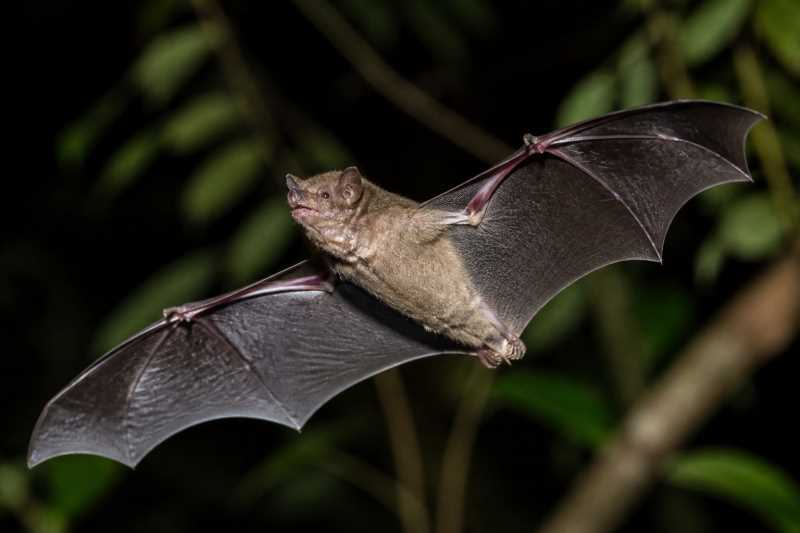
The Broad-toothed Tailless Bat is distinguished by its robust and somewhat stocky build. It exhibits a wingspan ranging from 25 to 30 centimeters, with a body length of approximately 5 to 7 centimeters. One of the most striking features of this bat is its broad, flat teeth, which are specially adapted for its diet, primarily consisting of nectar and fruit. The bat’s fur is generally brown to dark brown, providing excellent camouflage against the bark of trees and the forest floor.
Unlike many bat species, the Broad-toothed Tailless Bat lacks a visible tail, a characteristic that contributes to its unique silhouette during flight. Its ears are relatively small and rounded, providing an excellent sense of hearing for navigating through dense foliage and detecting predators. The bat’s face is slightly elongated, facilitating access to nectar deep within flowers.
Range and Habitat
The Broad-toothed Tailless Bat is primarily found in the tropical and subtropical regions of Central and South America. Its range extends from southern Mexico through Central America, down to Bolivia, and across the Amazon Basin. This species favors lush, humid environments and is commonly found in lowland rainforests, cloud forests, and occasionally in plantations or gardens with abundant flowering plants.
These bats are highly adaptable and can thrive in various altitudes, from sea level to elevations of up to 2,000 meters. Their preference for habitats rich in flowering plants is closely linked to their diet, as they play a vital role in pollination.
Behavior and Diet
The Broad-toothed Tailless Bat is primarily nocturnal, emerging from its roosts at dusk to forage for food. Its diet consists mainly of nectar, fruit, and occasionally insects. This diet not only sustains the bat but also plays a significant role in the pollination of numerous plant species. As the bat moves from flower to flower, it transfers pollen, facilitating the reproductive cycle of many tropical plants.
These bats are known for their agile flight patterns, which enable them to hover and maneuver with precision around flowers. They often roost in small colonies, preferring the safety of hollow trees, caves, and abandoned buildings. Communication within these colonies is facilitated by a range of vocalizations and echolocation calls, which are used to navigate and locate food sources.
Identification Tips (field recognition cues)
Identifying the Broad-toothed Tailless Bat in the field requires keen observation and attention to detail. Here are some tips to help you recognize this unique species:
- Silhouette: Look for the distinctive tailless silhouette during flight, which sets it apart from many other bat species.
- Echolocation Calls: Listen for their high-pitched echolocation calls, often heard during dusk and dawn as they navigate and forage.
- Feeding Behavior: Observe their hovering flight pattern around flowering plants, a behavior indicative of nectar-feeding bats.
- Roosting Habits: Check hollow trees and caves for small colonies, where these bats often roost during the day.
Conservation Status (with threats and protections)
The Broad-toothed Tailless Bat is currently listed as Least Concern on the IUCN Red List, thanks to its relatively wide distribution and presumed large population. However, like many bat species, it faces threats from habitat destruction, primarily due to deforestation and land conversion for agriculture.
Pollution and pesticides also pose significant risks, as they can contaminate food sources and affect the bats’ health. Climate change is another emerging threat, potentially altering the distribution of flowering plants that these bats rely on for food.
Conservation efforts for the Broad-toothed Tailless Bat include habitat protection and restoration, as well as public education on the ecological roles of bats. Establishing protected areas and promoting sustainable land-use practices are crucial for ensuring the long-term survival of this species.
Frequently Asked Questions
What does the Broad-toothed Tailless Bat eat?
The Broad-toothed Tailless Bat primarily feeds on nectar and fruit, with occasional consumption of insects. It plays a crucial role in pollinating various tropical plants.
Where can I find the Broad-toothed Tailless Bat?
This bat is predominantly found in Central and South America’s tropical and subtropical regions, favoring rainforests and cloud forests.
Why is the Broad-toothed Tailless Bat important?
The bat is vital for pollination, ensuring the reproduction of many flowering plants. Its ecological role supports biodiversity and forest health.
How can I help conserve the Broad-toothed Tailless Bat?
Supporting conservation efforts such as habitat protection, promoting sustainable agriculture, and educating others about bats’ ecological importance can help protect this species.
How do Broad-toothed Tailless Bats communicate?
These bats use echolocation and vocalizations to navigate, locate food, and communicate within their colonies.
Related posts