Northern Greater Glider (Petauroides minor): A Comprehensive Guide
Introduction
The Northern Greater Glider (Petauroides minor) is a fascinating nocturnal marsupial native to the forests of eastern Australia. Known for their unique gliding capabilities and striking appearance, these arboreal creatures have captured the interest of scientists and wildlife enthusiasts alike. In this article, we will delve into the physical characteristics, habitat, behavior, and conservation status of the Northern Greater Glider, providing a comprehensive overview of this remarkable species.
Physical Description
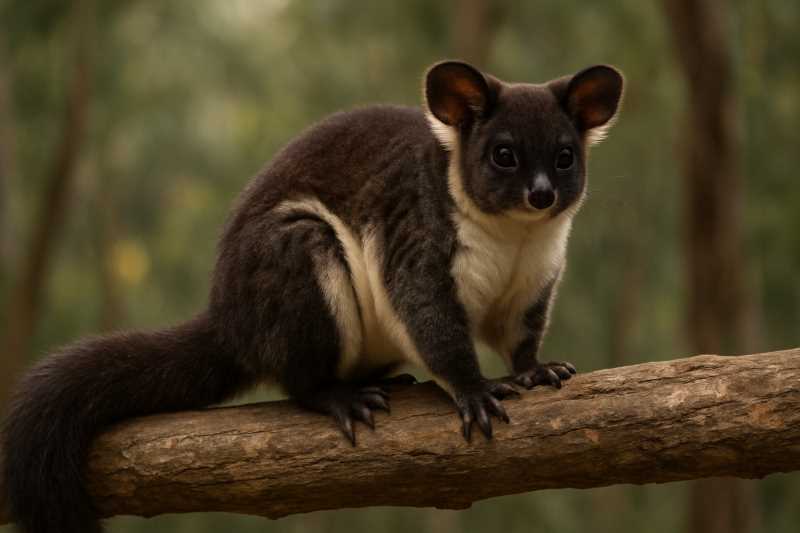
The Northern Greater Glider is a medium-sized marsupial that stands out due to its distinct physical attributes. Adult gliders typically measure between 40 to 60 centimeters in body length, with their tail adding an additional 45 to 60 centimeters. The species is characterized by its large, round eyes adapted for nocturnal vision, and a dense, woolly coat that ranges in color from cream to brown and occasionally black.
One of the most distinguishing features of the Northern Greater Glider is its ability to glide. This is facilitated by a membrane of skin, known as the patagium, which stretches from the ankle to the elbow on each side of its body. This adaptation allows the glider to soar gracefully between trees, covering distances of up to 100 meters in a single glide.
Range and Habitat
The Northern Greater Glider is primarily found in the forests of northern Queensland, Australia. It inhabits a variety of eucalypt forests, from dense tropical rainforests to open woodlands. The species prefers areas with a high density of old-growth trees, which provide essential resources such as nesting hollows and a stable food supply.
These gliders are arboreal and seldom descend to the ground, relying on the forest canopy for safety and sustenance. Their distribution is patchy, often restricted to areas where suitable habitat remains undisturbed by human activity.
Behavior and Diet
The Northern Greater Glider is a solitary and nocturnal creature, spending its nights gliding through the forest in search of food. Its diet primarily consists of eucalypt leaves, which provide both nutrition and water. These gliders are folivores, possessing a highly specialized digestive system with a large cecum to ferment and break down the tough leaf material.
During the day, Northern Greater Gliders rest in tree hollows, which offer protection from predators and harsh weather conditions. They are known to be particularly sensitive to disturbances, often abandoning their nests if threatened by logging or other human activities.
Identification Tips (Field Recognition Cues)
Identifying the Northern Greater Glider in the field can be challenging due to its nocturnal habits and preference for dense forest canopies. However, there are several key features to look out for:
- Size and Shape: Look for a medium-sized, fluffy marsupial with a long, bushy tail.
- Gliding Membrane: Note the distinctive gliding membrane stretching from the ankles to the elbows.
- Eyes: Large, round eyes adapted for night vision are a characteristic feature.
- Coloration: Observe the range of fur colors, from cream to brown and black, with a woolly texture.
Listening for their distinctive, low-pitched growls or spotting them gliding between trees during dusk can also aid in identification.
Conservation Status (With Threats and Protections)
The Northern Greater Glider is currently listed as a vulnerable species under Australian law. The primary threats to its survival include habitat loss due to logging, land clearing for agriculture, and urban development. Climate change also poses a significant risk, as increased temperatures and altered rainfall patterns can affect the availability of suitable habitat.
Conservation efforts for the Northern Greater Glider focus on protecting and restoring its natural habitat. This includes regulating logging practices, establishing protected areas, and promoting reforestation projects. Public awareness campaigns and research initiatives are also crucial in ensuring the long-term survival of this unique marsupial.
Frequently Asked Questions
What is the primary diet of the Northern Greater Glider?
The Northern Greater Glider primarily feeds on eucalypt leaves. Its specialized digestive system allows it to extract nutrients from these tough, fibrous leaves efficiently.
How far can a Northern Greater Glider glide?
Northern Greater Gliders can glide distances of up to 100 meters. Their impressive gliding ability is facilitated by a membrane of skin that stretches from their ankles to their elbows.
What are the main threats to the Northern Greater Glider?
The primary threats to the Northern Greater Glider include habitat loss due to logging, land clearing, and climate change. These factors reduce the availability of suitable living conditions for the species.
How can you identify a Northern Greater Glider in the wild?
Look for a medium-sized marsupial with a fluffy, woolly coat and a long, bushy tail. Their large, round eyes and gliding membrane are also key identification features.
Why is the Northern Greater Glider considered vulnerable?
The Northern Greater Glider is considered vulnerable due to its declining population, primarily driven by habitat destruction and environmental changes.
Related posts