Lesser Red White-toothed Shrew (Crocidura hirta)
Introduction
The Lesser Red White-toothed Shrew (Crocidura hirta) is a small insectivorous mammal that belongs to the family Soricidae. Known for its elusive nature and tiny size, this shrew species plays a critical role in maintaining the ecological balance by controlling insect populations. Despite its crucial ecological role, the Lesser Red White-toothed Shrew often goes unnoticed due to its secretive habits and the dense habitats it occupies.
This article aims to provide a comprehensive overview of the Lesser Red White-toothed Shrew, covering its physical description, habitat, behavior, and dietary habits. Additionally, we will explore the conservation challenges faced by this species and offer tips for identifying it in the wild.
Physical Description
The Lesser Red White-toothed Shrew is a diminutive mammal, typically measuring between 60 to 85 millimeters in body length, with an additional tail length of 30 to 50 millimeters. The shrew’s weight ranges from 5 to 10 grams, making it one of the smaller members of the Crocidura genus.
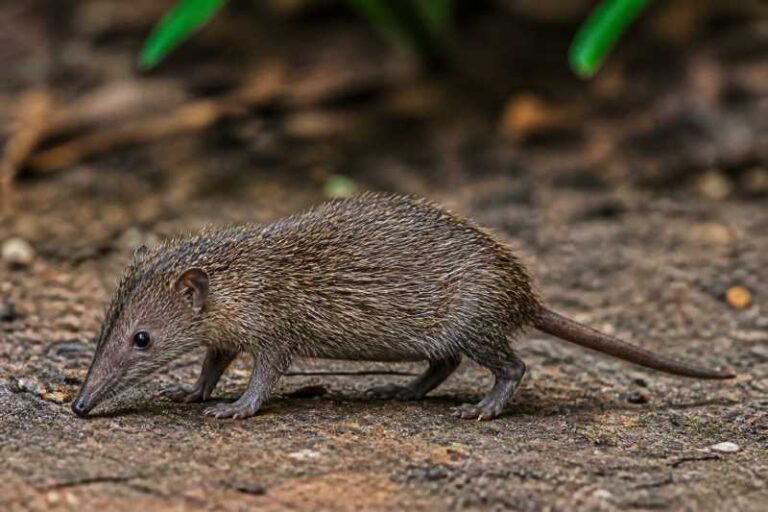
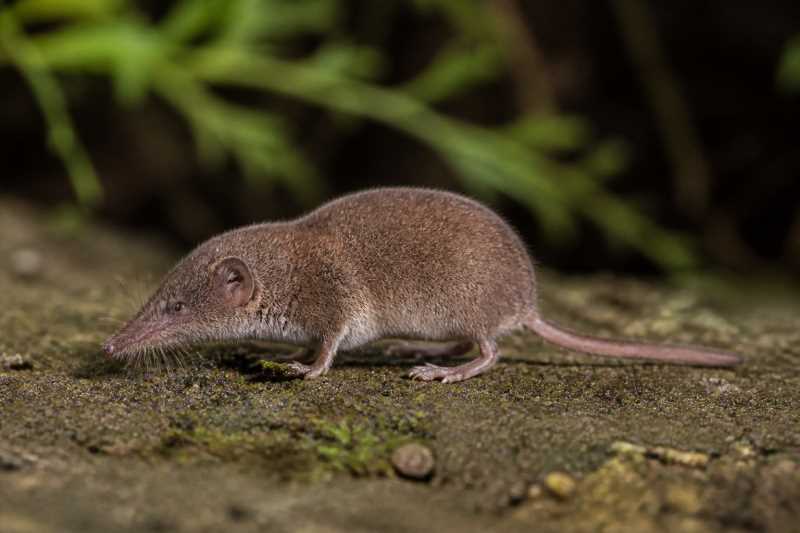
Its fur is characterized by a distinctive reddish-brown color on the dorsal side, which transitions to a paler, whitish hue on the belly. This coloration is particularly pronounced and serves as a key identification feature. The shrew’s name, "white-toothed," is derived from the lack of iron pigmentation in its dental structure, giving its teeth a noticeably white appearance compared to other shrews.
The Lesser Red White-toothed Shrew possesses a pointed snout, small eyes, and ears that are partially hidden by fur. Its limbs are short, and the forelimbs are equipped with sharp claws, well-suited for digging and foraging through leaf litter and soil.
Range and Habitat
Crocidura hirta is predominantly found in sub-Saharan Africa, with a range extending through various countries, including Namibia, Botswana, Zimbabwe, and South Africa. This shrew inhabits a variety of environments, ranging from savannahs and grasslands to forested areas and shrublands.
The species demonstrates a preference for habitats with ample ground cover, such as thick vegetation, fallen leaves, and debris, which provide protection from predators and harsh environmental conditions. The Lesser Red White-toothed Shrew is adaptable to different altitudes but is more commonly found in lowland regions where its preferred habitat is abundant.
Behavior and Diet
The Lesser Red White-toothed Shrew is primarily nocturnal, spending the majority of its time foraging for food during the night. Its diet is predominantly composed of insects and other invertebrates, such as worms, spiders, and small mollusks. The shrew’s high metabolic rate necessitates frequent feeding, and it is known to consume an amount of food equivalent to its body weight each day.
This species exhibits solitary behavior, with individuals maintaining territories that they defend aggressively against intruders. Communication among shrews is primarily through high-pitched vocalizations, scent marking, and tactile interactions.
Identification Tips
Identifying the Lesser Red White-toothed Shrew in the field can be challenging due to its small size and nocturnal habits. However, several characteristics can aid in recognition:
- Fur Coloration: Look for the reddish-brown dorsal fur and contrasting whitish belly.
- Size: Note the small body size, with a total length (including tail) of no more than 135 millimeters.
- White Teeth: Unlike other shrews, the teeth of Crocidura hirta lack iron pigmentation, appearing white.
- Habitat: Focus on areas with dense ground cover and ample insect populations.
- Activity Patterns: Search during nighttime hours when the shrew is most active.
Conservation Status
The International Union for Conservation of Nature (IUCN) currently lists the Lesser Red White-toothed Shrew as a species of Least Concern. This classification is due to its wide distribution and presumed large population.
However, certain threats could impact local populations, including habitat destruction due to agriculture, urbanization, and deforestation. Additionally, climate change poses a potential threat by altering the availability and distribution of suitable habitats.
Conservation efforts for Crocidura hirta focus on habitat preservation and the establishment of protected areas. These measures are crucial to ensuring the species’ long-term survival and maintaining the ecological roles it fulfills.
Frequently Asked Questions
1. What does the Lesser Red White-toothed Shrew eat? The Lesser Red White-toothed Shrew primarily feeds on insects and other invertebrates, such as worms, spiders, and small mollusks, consuming an amount equivalent to its body weight daily.
2. Where can I find the Lesser Red White-toothed Shrew? This shrew is found in sub-Saharan Africa, including countries like Namibia, Botswana, Zimbabwe, and South Africa, in habitats with dense ground cover such as savannahs and forested areas.
3. How can I identify a Lesser Red White-toothed Shrew? Look for its small size, reddish-brown dorsal fur, whitish belly, and white teeth. It is primarily active at night and prefers areas with dense vegetation.
4. Is the Lesser Red White-toothed Shrew endangered? No, the Lesser Red White-toothed Shrew is currently listed as Least Concern by the IUCN, although habitat destruction and climate change could pose threats in some regions.
5. What role does the Lesser Red White-toothed Shrew play in the ecosystem? This shrew helps control insect populations, maintaining ecological balance and supporting the health of its habitat.
Related posts