Introduction
Peters’s White-toothed Shrew, scientifically known as Crocidura gracilipes, is a small insectivorous mammal belonging to the family Soricidae. This species, like other shrews, plays a crucial role in maintaining ecological balance by controlling insect populations. Native to parts of East Asia, the Peters’s White-toothed Shrew is an intriguing subject of study for its unique adaptations and behaviors. This article delves into the various aspects of the species, including its physical characteristics, habitat preferences, behavior, and conservation status.
Physical Description
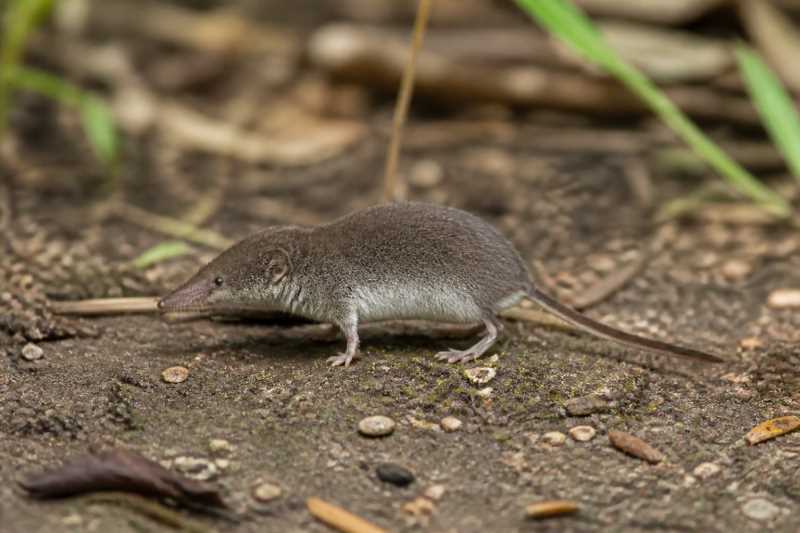
The Peters’s White-toothed Shrew is a diminutive mammal, typically measuring between 70 to 90 millimeters in body length, with an additional tail length of about 55 to 75 millimeters. It weighs approximately 6 to 12 grams, making it one of the smaller shrew species. Characterized by its slender body, this shrew exhibits a fine, dense coat of fur that is generally grayish-brown on the dorsal side and lighter on the ventral side.
A defining feature is its white teeth, which lack the iron pigmentation found in the teeth of other shrew species, earning it the "white-toothed" moniker. The head is pointed with small eyes and ears that are often concealed within the fur. These adaptations are indicative of its burrowing and insectivorous lifestyle.
Range and Habitat
Peters’s White-toothed Shrew is primarily found in East Asia, with its distribution spanning across countries such as China, Korea, and parts of Japan. It inhabits a variety of environments ranging from lowland forests to mountainous regions, displaying a preference for moist, cool habitats.
These shrews are often found in areas with abundant leaf litter, undergrowth, and decaying wood, which provide ample cover and foraging opportunities. They are also known to inhabit agricultural lands and gardens, where they can exploit the rich insect life.
Behavior and Diet
Crocidura gracilipes is predominantly nocturnal, spending the night foraging for food. It is an active hunter, relying on its keen sense of smell and touch to locate prey. The diet is primarily composed of insects, spiders, and other small invertebrates, supplemented occasionally by small vertebrates and plant matter.
This species exhibits solitary behavior, with individuals maintaining and defending their own territories. Communication among shrews is facilitated through ultrasonic sounds, scent marking, and tactile signals. Shrews have a high metabolic rate, necessitating frequent feeding to sustain their energetic lifestyle.
Identification Tips
When attempting to identify Peters’s White-toothed Shrew in the field, look for the following distinguishing traits:
- Size and Shape: Small, slender body with a pointed snout.
- Fur Coloration: Grayish-brown dorsal fur with a lighter underside.
- Tail: Relatively long tail compared to body length, covered with fine hair.
- Teeth: White, non-pigmented teeth are a key identification feature.
- Behavior: Active and quick, often seen foraging at dusk or during the night.
Conservation Status
Currently, the IUCN Red List categorizes Peters’s White-toothed Shrew as "Least Concern" due to its wide distribution and presumed large population. However, this does not imply that the species faces no threats. Habitat destruction, particularly due to deforestation and urban expansion, poses significant risks to their populations.
Efforts to conserve their habitats are essential, especially in regions where human activity is rapidly transforming natural landscapes. Protections include establishing reserves and promoting sustainable land-use practices that preserve the ecological integrity of their habitats.
Frequently Asked Questions
1. What is the lifespan of Peters’s White-toothed Shrew? Peters’s White-toothed Shrew typically has a lifespan of about 1 to 2 years in the wild, which is common for small mammalian insectivores. Their short lifespan is offset by high reproductive rates.
2. How does Peters’s White-toothed Shrew contribute to its ecosystem? These shrews play a vital role in controlling insect populations, thus contributing to the ecological balance. Their presence in the ecosystem supports pest management and soil aeration through their burrowing activities.
3. Are Peters’s White-toothed Shrews dangerous to humans? No, Peters’s White-toothed Shrews are not dangerous to humans. They are non-aggressive and prefer to avoid contact with people. Their sharp teeth are adapted for insect consumption, not for defense against larger animals.
4. What do Peters’s White-toothed Shrews eat? Their diet mainly consists of insects, spiders, and other small invertebrates. Occasionally, they may also consume small vertebrates and plant material when available.
5. Where can I observe Peters’s White-toothed Shrew in the wild? To observe these shrews, visit forested areas or gardens in East Asia, especially during dusk or at night when they are most active. Look in areas with dense leaf litter and undergrowth for the best chances of spotting one.
Related posts