Introduction
The Lake Baptista Titi, scientifically known as Plecturocebus baptista, is a fascinating primate species native to South America. Known for its distinctive appearance and social behavior, this species is part of the New World monkeys under the family Pitheciidae. The Lake Baptista Titi plays a crucial role in the biodiversity of its ecosystem, making its study and conservation vital for ecological balance.
Titi monkeys, in general, are known for their pair bonding and territorial nature. The Lake Baptista Titi is no exception, exhibiting unique traits that distinguish it from other titi monkey species. Understanding the Lake Baptista Titi is essential not only for primatologists but also for conservationists aiming to preserve the natural habitats of the Amazon.
Physical Description
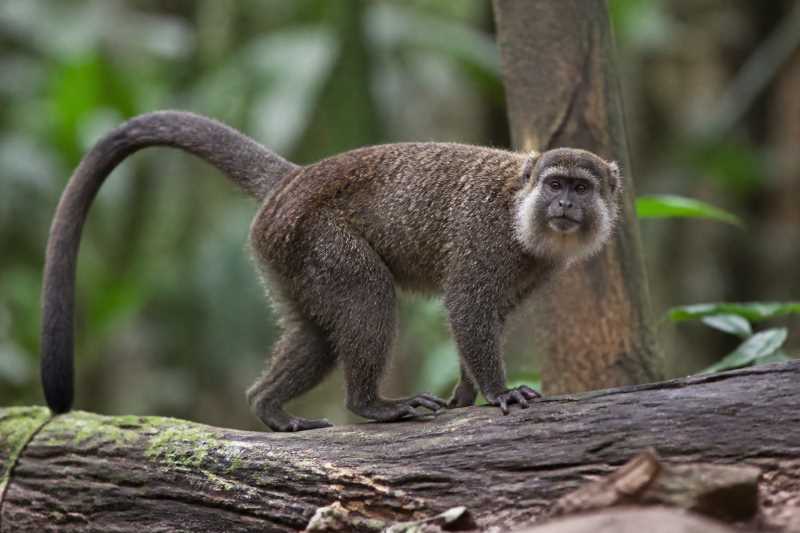
The Lake Baptista Titi is a small to medium-sized primate, characterized by its soft, dense fur, which serves as a key adaptation to its environment. The fur is predominantly reddish-brown with variations that may include lighter or darker shades. One of the most striking features of this species is its long, bushy tail, which is often longer than its body length and is not prehensile.
Adult Lake Baptista Titis typically weigh between 800 to 1,200 grams and measure about 30 to 45 centimeters in body length, not including the tail. Their limbs are relatively short but robust, adapted for a life spent mostly in the trees. The face of the Lake Baptista Titi is generally dark, with expressive eyes that aid in communication within their social groups.
Range and Habitat
The Lake Baptista Titi is primarily found in the tropical rainforests surrounding Lake Baptista in Bolivia. The species thrives in dense, humid forests, which provide ample cover and food resources. These monkeys tend to inhabit regions that offer a mix of primary and secondary forests, as well as floodplain areas that are seasonally inundated.
The range of the Lake Baptista Titi is relatively limited compared to other primate species, which makes its habitat particularly important for conservation efforts. This limited range also highlights the need for detailed studies to understand the ecological requirements and adaptability of the species to changing environmental conditions.
Behavior and Diet
The Lake Baptista Titi is diurnal, meaning it is active during the day. These monkeys are known for their strong pair bonds, often seen in monogamous pairs with their offspring. They are territorial animals, using vocalizations to communicate and defend their territory from other groups.
The diet of the Lake Baptista Titi primarily consists of fruits, making them important seed dispersers within their ecosystem. However, their diet also includes leaves, insects, and small vertebrates, allowing them to adapt to seasonal changes in food availability. Their foraging behavior is complex and involves careful selection of food items based on nutritional needs and availability.
Identification Tips
Identifying the Lake Baptista Titi in the wild can be challenging due to the dense forest habitats they reside in. However, certain cues can assist observers:
- Vocalizations: Listen for the distinctive calls that titi monkeys use to communicate with each other. These calls often have a rhythmic quality and can be heard during territorial disputes.
- Tail Movement: Look for the long, bushy tail, which is often used for balance as the monkeys navigate the tree canopy.
- Facial Features: Observe the dark facial pigmentation and expressive eyes, which are characteristic of this species.
- Social Behavior: Note the presence of monogamous pairs or family groups, as Lake Baptista Titis are rarely seen alone.
Conservation Status
The Lake Baptista Titi is currently classified as "Near Threatened" on the IUCN Red List. The primary threats to its survival include habitat destruction due to agricultural expansion, logging, and infrastructure development. Additionally, climate change poses a long-term threat by altering the forest ecosystems they depend on.
Conservation efforts are focused on habitat protection and restoration. Legal protections in Bolivia aim to preserve the regions surrounding Lake Baptista, while international collaborations work to raise awareness and fund conservation projects. Protecting this species requires a multi-faceted approach, addressing both direct threats and broader environmental changes.
Frequently Asked Questions
What is the average lifespan of a Lake Baptista Titi?
Lake Baptista Titis typically live for about 12 to 20 years in the wild. Their lifespan can be influenced by environmental conditions and predation pressures.
How does the Lake Baptista Titi contribute to its ecosystem?
As frugivores, Lake Baptista Titis play a crucial role in seed dispersal, aiding in forest regeneration and maintaining ecological balance.
Are Lake Baptista Titi monkeys endangered?
While not currently endangered, the Lake Baptista Titi is listed as "Near Threatened," with habitat loss being a significant concern for its future.
How can I help in the conservation of Lake Baptista Titis?
Supporting conservation organizations, promoting sustainable land-use practices, and raising awareness about the species’ plight can contribute to their conservation.
Where can I observe Lake Baptista Titis in the wild?
The best places to observe Lake Baptista Titis are the protected areas surrounding Lake Baptista in Bolivia, where guided tours can offer opportunities to see them in their natural habitat.
Related posts