Introduction
Glass’s White-toothed Shrew, scientifically known as Crocidura glassi, is a small mammalian species belonging to the Soricidae family. These creatures are part of the diverse group of shrews known for their insectivorous diet and wide distribution across various continents. Despite being relatively lesser-known compared to other wildlife, Glass’s White-toothed Shrew plays a significant role in its ecosystem by controlling insect populations and serving as prey for larger predators.
Understanding the biology and ecology of Crocidura glassi is critical for appreciating the biodiversity of the regions they inhabit and ensuring their conservation. This article delves into the various aspects of Glass’s White-toothed Shrew, including its physical characteristics, habitat, behavior, and conservation status.
Physical Description
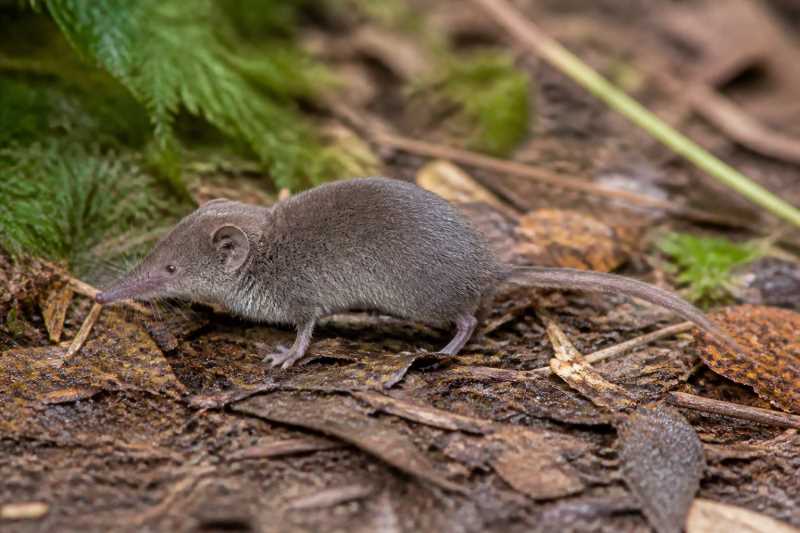
The Glass’s White-toothed Shrew is a small, nimble mammal characterized by its distinct physical traits. Typically, these shrews measure about 60 to 80 millimeters in body length, with a tail length of approximately 40 to 60 millimeters. Their weight ranges from 5 to 15 grams, making them one of the smallest mammals in their habitat.
The fur of Crocidura glassi is generally soft and dense, providing insulation and camouflage. The coloration varies from grey to brown, often with lighter underparts. As their name suggests, they possess white teeth, a feature that distinguishes them from many other shrew species. Their eyes are small, adapted more for detecting movement than forming detailed images, while their elongated snout aids in foraging for insects and other small invertebrates.
Range and Habitat
Glass’s White-toothed Shrew is primarily found in specific regions of Africa, with a distribution that is often restricted to particular ecosystems. They thrive in environments that provide ample cover and abundant food sources, such as dense undergrowth, grasslands, and forest edges.
These shrews are adapted to live in a variety of habitats, ranging from moist, temperate zones to arid regions. Their ability to inhabit diverse environments is attributed to their adaptable diet and reproductive strategies, which allow them to exploit different ecological niches.
Behavior and Diet
Glass’s White-toothed Shrews are primarily nocturnal, engaging in their foraging activities during the night. This behavior helps them avoid predators and the heat of the day, especially in warmer climates. They are solitary animals, with each individual maintaining a territory that they actively defend from intruders.
The diet of Crocidura glassi consists mainly of insects, spiders, and other small invertebrates. Their keen sense of smell and acute hearing aid in locating prey, which they capture with their sharp teeth. Occasionally, they may consume plant material, but this forms only a minor component of their diet.
Identification Tips (Field Recognition Cues)
Identifying Glass’s White-toothed Shrew in the field requires attention to specific characteristics:
- Size and Proportions: Look for a small mammal with a body length of 60-80 mm and a proportional tail length.
- Coloration: Note the grey to brown fur with lighter underparts.
- Teeth: The presence of white teeth is a distinguishing feature.
- Behavior: Observe nocturnal activity and solitary behavior.
These cues can help differentiate Crocidura glassi from other similar shrew species in its range.
Conservation Status (With Threats and Protections)
The conservation status of Glass’s White-toothed Shrew is currently not well-documented due to its elusive nature and the challenges in studying small mammal populations. However, like many small mammals, they face threats from habitat destruction, climate change, and predation by introduced species.
Efforts to protect this species include habitat conservation and research initiatives aimed at understanding their ecological roles and population dynamics. Conservationists emphasize the importance of preserving natural habitats and implementing protective measures to ensure the survival of Crocidura glassi and other similar species.
Frequently Asked Questions
Why is this species unique?
Glass’s White-toothed Shrew is unique due to its specialized diet and adaptations for survival in diverse habitats. Its role in the ecosystem as both predator and prey highlights its importance in maintaining ecological balance.
How do Glass’s White-toothed Shrews impact their ecosystem?
These shrews control insect populations, thus influencing the health of their ecosystems. They also serve as a vital food source for larger predators, contributing to the food web dynamics.
What are the main threats to Glass’s White-toothed Shrews?
The primary threats include habitat destruction due to human activities, climate change affecting their living conditions, and predation by introduced species. Conservation efforts focus on mitigating these threats to ensure their survival.
How can we support the conservation of this species?
Supporting conservation can involve advocating for habitat preservation, supporting research initiatives, and raising awareness about the ecological roles of small mammals like Glass’s White-toothed Shrew.
Related posts