Introduction
The Southeast Asian White-toothed Shrew, scientifically known as Crocidura fuliginosa, is a small mammal that plays a crucial role in the ecosystems of Southeast Asia. While shrews are often overlooked due to their diminutive size and elusive nature, they are fascinating creatures with unique adaptations. This article delves into the various aspects of the Southeast Asian White-toothed Shrew, providing insights into its physical characteristics, habitat, behavior, and conservation status.
Physical Description
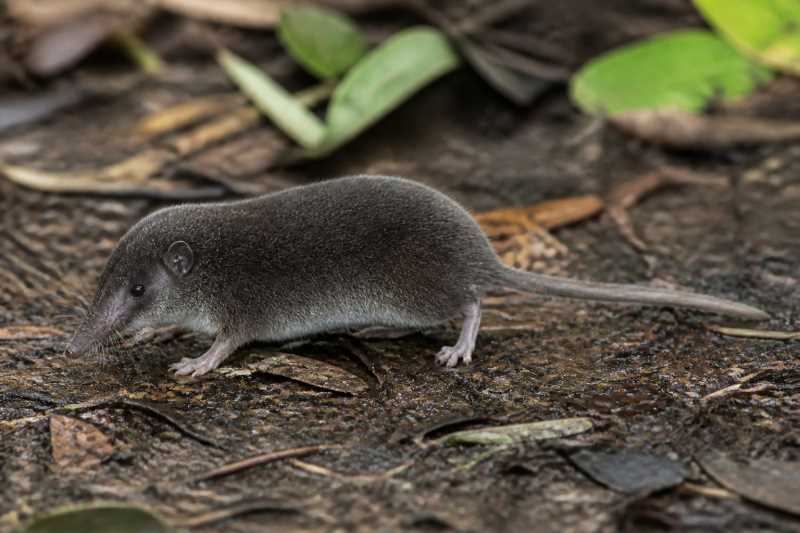
The Southeast Asian White-toothed Shrew is a small mammal, typically measuring between 5 to 9 centimeters in body length, excluding the tail, which can add another 4 to 7 centimeters. This species is characterized by its slender, elongated body and short limbs. The fur of the shrew is generally a uniform grayish-brown, providing effective camouflage amidst the forest underbrush.
One of the defining features of the Southeast Asian White-toothed Shrew is its dental structure. Unlike other shrews that have pigmented teeth, this species boasts unpigmented, white teeth, which gives it its name. The snout is long and pointed, aiding in its foraging habits, while the eyes are small and adapted to its nocturnal lifestyle. Despite their small size, these shrews possess a keen sense of smell and hearing, which are vital for survival in their habitat.
Range and Habitat
The Southeast Asian White-toothed Shrew is primarily found in the tropical and subtropical regions of Southeast Asia. Its range includes countries such as Thailand, Malaysia, Indonesia, and Vietnam. The species thrives in a variety of habitats, including lowland forests, montane forests, and sometimes in agricultural areas that provide sufficient cover and food sources.
This shrew is highly adaptable and can occupy areas from sea level up to elevations of around 2,500 meters. It tends to prefer moist environments where it can find ample invertebrates to feed on. The dense undergrowth of forests provides both protection from predators and a suitable environment for hunting.
Behavior and Diet
The Southeast Asian White-toothed Shrew is primarily nocturnal, spending most of its active hours hunting during the night. This behavior helps it avoid many diurnal predators. Despite its small size, this shrew is an aggressive and voracious hunter, feeding on a diet primarily composed of insects, worms, and other small invertebrates.
Shrews have a high metabolic rate, necessitating frequent feeding to maintain energy levels. This species uses its keen sense of smell to locate prey and is known to consume up to twice its body weight in food each day. The shrew’s hunting strategy involves rapid movements and quick reactions to capture prey efficiently.
Socially, the Southeast Asian White-toothed Shrew is generally solitary, with individuals only coming together for mating purposes. Territorial by nature, they communicate through a series of high-pitched squeaks and scent markings to establish boundaries and avoid conflicts with others.
Identification Tips (Field Recognition Cues)
Identifying the Southeast Asian White-toothed Shrew in the wild requires attention to several key features:
- Size and Shape: Look for a small, mouse-sized mammal with a slender body and elongated snout.
- Fur Color: Its uniform grayish-brown fur helps it blend into the forest floor.
- Teeth: Unlike other shrews, look for the characteristic white teeth.
- Behavior: Observe nocturnal activity patterns and rapid, jerky movements when foraging.
Being able to identify these traits can help naturalists and researchers accurately distinguish the Southeast Asian White-toothed Shrew from other small mammals in the region.
Conservation Status (with Threats and Protections)
The conservation status of the Southeast Asian White-toothed Shrew is currently not well-documented due to its wide distribution and adaptable nature. However, like many small mammals, it faces threats from habitat destruction and fragmentation, primarily due to logging, agricultural expansion, and urbanization.
The loss of forested areas reduces the available habitat and food resources for the shrew, potentially leading to population declines in certain areas. Additionally, the use of pesticides in agriculture can indirectly affect shrew populations by reducing their prey base.
Conservation efforts for the Southeast Asian White-toothed Shrew are not specifically targeted, but the protection of their forest habitats through the establishment of reserves and protected areas is crucial. Continued research and monitoring are necessary to better understand the population dynamics and threats facing this species.
Frequently Asked Questions
1. What is the diet of the Southeast Asian White-toothed Shrew? The Southeast Asian White-toothed Shrew primarily feeds on insects, worms, and other small invertebrates. Its high metabolic rate requires it to consume a significant amount of food relative to its body weight daily.
2. Where can the Southeast Asian White-toothed Shrew be found? This shrew is native to Southeast Asia, inhabiting countries like Thailand, Malaysia, Indonesia, and Vietnam. It prefers moist forest environments but can also be found in agricultural areas with adequate cover.
3. How does the Southeast Asian White-toothed Shrew adapt to its environment? The shrew has adapted to its environment through its nocturnal behavior, keen sense of smell, and rapid hunting techniques. These adaptations help it avoid predators and efficiently capture prey.
4. Why is it called the "White-toothed" Shrew? The species is named for its distinctive feature of unpigmented, white teeth, which sets it apart from other shrew species with pigmented teeth.
5. What are the main threats to the Southeast Asian White-toothed Shrew? The primary threats include habitat destruction and fragmentation due to deforestation, agricultural expansion, and urbanization. Pesticide use also poses an indirect threat by reducing prey availability.
Related posts