Introduction
The Mindanao Hairy-tailed Rat, scientifically known as Batomys salomonseni, is a fascinating yet lesser-known member of the rodent family. This enigmatic creature is endemic to the island of Mindanao in the Philippines, where it plays a unique role in the ecosystem. Despite its elusive nature, the Mindanao Hairy-tailed Rat offers a wealth of interest to mammalogists and ecological researchers alike. This article delves into the various aspects of this species, from its physical characteristics to its conservation status, providing a comprehensive overview for enthusiasts and researchers.
Physical Description
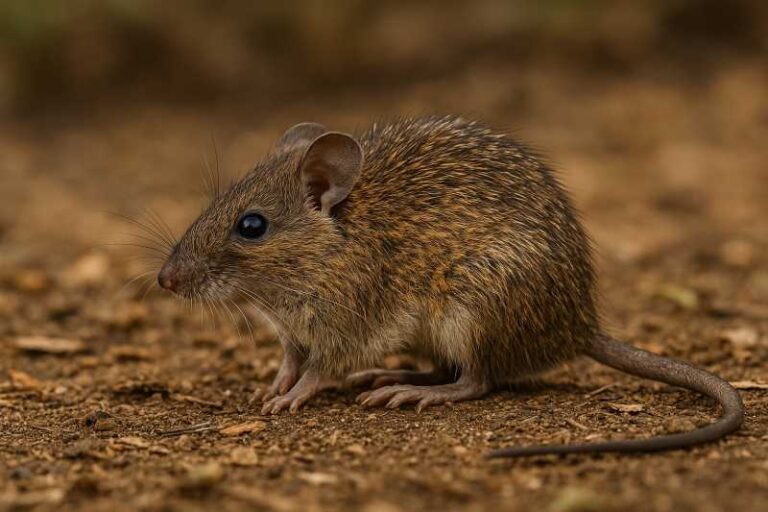
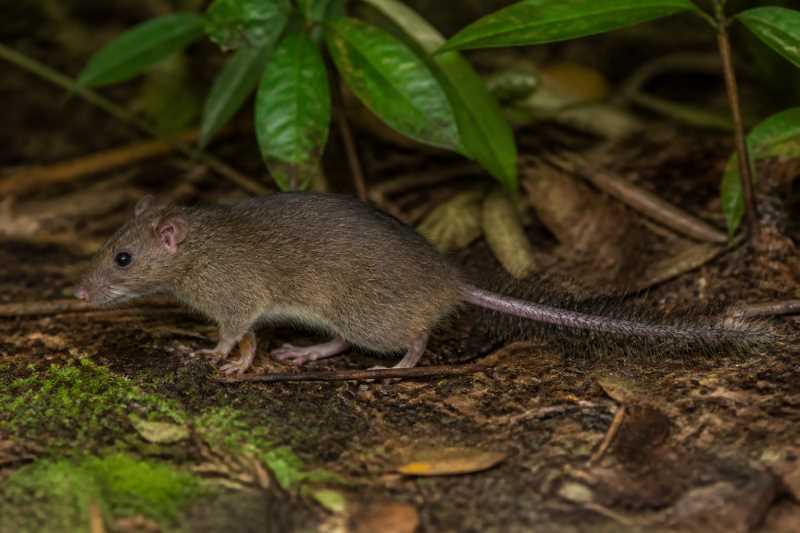
The Mindanao Hairy-tailed Rat is aptly named for its distinctive tail, which is covered in coarse, bristle-like hairs. This feature sets it apart from many other rodent species. Adult rats of this species typically measure between 25 to 30 centimeters in body length, with a tail that can add an additional 20 to 25 centimeters. The tail’s hairiness not only aids in balance but also provides a tactile advantage in navigating the dense forest underbrush.
The fur of the Mindanao Hairy-tailed Rat is dense and soft, with a coloration that ranges from dark brown to a lighter, yellowish-brown hue, allowing it to blend seamlessly into its forest habitat. The underbelly is usually lighter, providing some contrast to the overall coloration. Its eyes are relatively large, indicative of its nocturnal lifestyle, and its ears are small, reducing heat loss and providing a streamlined appearance.
Range and Habitat
As its name suggests, the Mindanao Hairy-tailed Rat is found exclusively on the island of Mindanao in the Philippines. It inhabits the montane and mossy forests of the island, typically at elevations ranging from 1,000 to 2,500 meters above sea level. These forests provide a cool, humid environment that is rich in the plant life and insect populations that constitute the rat’s diet.
The species is highly adapted to life in these dense forests, where it can easily find cover from predators and access a variety of food sources. The rat’s arboreal tendencies mean it is often found in trees, where it constructs nests from leaves and other vegetation.
Behavior and Diet
The Mindanao Hairy-tailed Rat is primarily nocturnal, spending the daylight hours sheltering in its nest or other secure locations. At night, it becomes active, foraging for food and engaging in social activities. The rat is omnivorous, with a diet that includes fruits, seeds, leaves, and insects. Its feeding habits play a crucial role in seed dispersal and the control of insect populations, contributing to the ecological balance of its habitat.
Social behavior in this species is not well-documented, but it is believed to be solitary or to live in small family groups. Communication is likely achieved through a combination of vocalizations, scent marking, and possibly visual signals, although more research is needed to understand the full extent of its social interactions.
Identification Tips (Field Recognition Cues)
Identifying the Mindanao Hairy-tailed Rat in the field can be challenging due to its elusive nature and the dense forest habitat it prefers. However, there are several key features that can aid in its identification:
- Tail: Look for the distinctive hairy tail, which is unlike the smooth tails of many other rodent species in the region.
- Size and Shape: Note the rat’s relatively large size and robust body compared to other forest rodents.
- Fur Coloration: Observe the dark brown to yellowish-brown fur, with a lighter underbelly.
- Habitat: The presence in montane and mossy forests at specific elevations is a strong indicator of the species.
- Behavior: Nocturnal activity patterns and arboreal movement can also help confirm its identity.
Conservation Status (With Threats and Protections)
The conservation status of the Mindanao Hairy-tailed Rat is currently assessed as "Data Deficient" by the International Union for Conservation of Nature (IUCN). This classification is primarily due to the lack of comprehensive data on its population size and distribution. However, like many species endemic to the Philippines, it faces several threats that could impact its survival.
Threats:
- Habitat Loss: Deforestation due to logging, agriculture, and urban expansion is the most significant threat to the Mindanao Hairy-tailed Rat. The loss of forest cover reduces available habitat and resources.
- Climate Change: Changes in climate patterns could alter the montane forest ecosystems, affecting food availability and habitat conditions.
- Predation: Introduced predators, such as domestic cats and dogs, pose a risk to the rat’s population.
Protections:
Efforts to protect the Mindanao Hairy-tailed Rat are primarily focused on habitat conservation. Initiatives include:
- Protected Areas: Establishing and maintaining protected areas within Mindanao’s montane forests to preserve critical habitats.
- Research: Encouraging studies to gather data on the species’ ecology, behavior, and population dynamics.
- Community Engagement: Involving local communities in conservation efforts to promote sustainable land-use practices.
Frequently Asked Questions
- What is the Mindanao Hairy-tailed Rat’s scientific name?
The scientific name of the Mindanao Hairy-tailed Rat is Batomys salomonseni. It belongs to the family Muridae, which includes other rodents like mice and rats.
- Where can I find the Mindanao Hairy-tailed Rat?
The Mindanao Hairy-tailed Rat is found exclusively on the island of Mindanao in the Philippines. It inhabits montane and mossy forests at elevations between 1,000 and 2,500 meters.
- What does the Mindanao Hairy-tailed Rat eat?
This species is omnivorous, feeding on a diet that includes fruits, seeds, leaves, and insects. Its varied diet helps maintain the ecological balance in its forest habitat.
- How does the Mindanao Hairy-tailed Rat contribute to its ecosystem?
The Mindanao Hairy-tailed Rat plays a role in seed dispersal and insect population control, both of which are vital to maintaining the health and diversity of its montane forest ecosystem.
- What are the main threats to the Mindanao Hairy-tailed Rat?
The primary threats to this species include habitat loss due to deforestation, climate change, and predation by introduced species such as domestic cats and dogs.
Related posts