Mount Data Shrew Rat (Rhynchomys soricoides): A Comprehensive Guide
Introduction
The Mount Data Shrew Rat, scientifically known as Rhynchomys soricoides, is a fascinating and lesser-known species of rodent found in the Philippines. This elusive mammal belongs to the family Muridae, which includes a wide range of rodents such as mice and rats. It was first described in 1984 and has since captivated the interest of researchers due to its unique characteristics and limited distribution. Endemic to the high-altitude regions of the Luzon Island, this species is a prime example of the rich biodiversity found in the Philippines.
In this article, we will explore the Mount Data Shrew Rat in detail, covering its physical description, range and habitat, behavior and diet, identification tips, and conservation status. We will also address some frequently asked questions to provide a comprehensive understanding of this intriguing mammal.
Physical Description
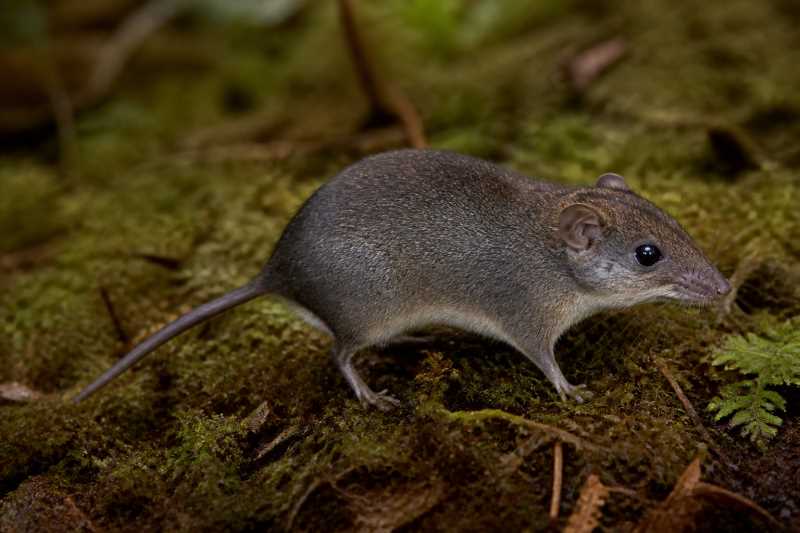
The Mount Data Shrew Rat is a small to medium-sized rodent characterized by its shrew-like appearance. It has a slender body with an average length of 18 to 21 centimeters, including the tail. Its fur is dense and soft, with a distinctive grayish-brown coloration on the dorsal side and lighter underparts. The tail is relatively short compared to other rodent species, measuring about half the length of the body.
One of the most distinguishing features of the Mount Data Shrew Rat is its elongated snout, which resembles that of a shrew. This adaptation is believed to aid in its specialized diet and foraging behavior. The ears are small and rounded, and the eyes are relatively small, indicating a lifestyle adapted to low-light environments. The limbs are short, and the feet are equipped with sharp claws, which are useful for digging and maneuvering through its habitat.
Range and Habitat
The Mount Data Shrew Rat is endemic to the central Cordillera Mountain Range on the island of Luzon in the Philippines. Within this region, it is primarily found in high-altitude forested areas, typically above 1,500 meters. These montane forests provide a cool and humid environment that is ideal for the species.
The habitat of the Mount Data Shrew Rat is characterized by dense undergrowth, moss-covered ground, and a thick layer of leaf litter. This environment offers ample cover from predators and abundant resources for its diet. The species is often associated with primary forests, although it can also be found in secondary forests, provided that the environmental conditions remain suitable.
Behavior and Diet
The Mount Data Shrew Rat is a nocturnal and solitary animal, primarily active during the night. Its behavior is largely influenced by its specialized diet, which consists mainly of earthworms and other soil invertebrates. This dietary preference is reflected in its long snout and keen sense of smell, which aid in locating prey beneath the forest floor.
Foraging typically occurs on the ground, where the shrew rat uses its snout to probe through the leaf litter and soil. It is capable of digging to extract prey, utilizing its strong claws for this purpose. Despite its preference for invertebrates, the Mount Data Shrew Rat may also consume seeds and fruits, although these constitute a minor part of its diet.
The species exhibits a relatively low reproductive rate, with females giving birth to small litters after a gestation period of approximately four weeks. The young are altricial, meaning they are born in an underdeveloped state and require significant parental care.
Identification Tips
Identifying the Mount Data Shrew Rat in the wild can be challenging due to its elusive nature and nocturnal habits. However, there are several field recognition cues that can aid in its identification:
- Location: The species is only found in high-altitude forests on Luzon Island, particularly in the central Cordillera Mountain Range.
- Size and Shape: Look for a small to medium-sized rodent with a slender body and a relatively short tail.
- Fur Coloration: Note the grayish-brown dorsal fur with lighter underparts.
- Distinctive Snout: The elongated, shrew-like snout is a key identifying feature.
- Behavior: Observe nocturnal activity and ground foraging behavior, characteristic of the species.
Conservation Status
The Mount Data Shrew Rat is currently listed as "Least Concern" on the IUCN Red List of Threatened Species. This classification is due to its relatively stable population and occurrence in several protected areas. However, the species does face threats that could impact its conservation status in the future.
Threats
- Habitat Loss: Deforestation and land conversion for agriculture and human settlement pose significant threats to the species’ habitat.
- Climate Change: Alterations in temperature and precipitation patterns could affect the montane forest ecosystems that the shrew rat relies on.
- Predation: Introduced predators, such as domestic cats, may pose a risk to the population.
Protections
Several conservation measures are in place to protect the Mount Data Shrew Rat. These include:
- Protected Areas: The species’ habitat overlaps with several protected areas, such as national parks and nature reserves, which help safeguard its environment.
- Conservation Programs: Efforts to promote sustainable land use and reforestation in the Cordillera region contribute to habitat preservation.
Frequently Asked Questions
What is the habitat of the Mount Data Shrew Rat?
The Mount Data Shrew Rat inhabits high-altitude montane forests in the central Cordillera Mountain Range of Luzon Island, Philippines. It prefers dense undergrowth and mossy forest floors.
How does the Mount Data Shrew Rat find its food?
The shrew rat uses its elongated snout and keen sense of smell to locate earthworms and soil invertebrates beneath the forest floor. It forages primarily at night, digging through leaf litter and soil.
Is the Mount Data Shrew Rat endangered?
Currently, the Mount Data Shrew Rat is listed as "Least Concern" by the IUCN. However, habitat loss and other environmental threats could impact its status in the future.
What are the distinguishing features of the Mount Data Shrew Rat?
Key features include its grayish-brown fur, elongated snout, small rounded ears, and relatively short tail. It also has a slender body and is adapted to a nocturnal lifestyle.
Are there conservation efforts for the Mount Data Shrew Rat?
Yes, the species benefits from protected habitats within national parks and nature reserves. Conservation programs also aim to address habitat loss and promote sustainable land use.
Related posts