Introduction
The Southern African Multimammate Mouse, scientifically known as Mastomys coucha, is a fascinating rodent species found predominantly in Southern Africa. This small mammal is of significant interest to researchers due to its ecological role and its adaptability to various environments. As a member of the Muridae family, the Southern African Multimammate Mouse is closely related to other rodents, yet it distinguishes itself through unique characteristics and behaviors that are crucial for its survival in the wild.
Despite its name, the Southern African Multimammate Mouse is not exclusive to South Africa but is widespread across several southern African countries. The species is known for its high reproductive rate, which plays a pivotal role in its population dynamics and ecological impact. This article explores the various aspects of Mastomys coucha, from its physical description to its conservation status, providing a comprehensive overview of this intriguing mammal.
Physical Description
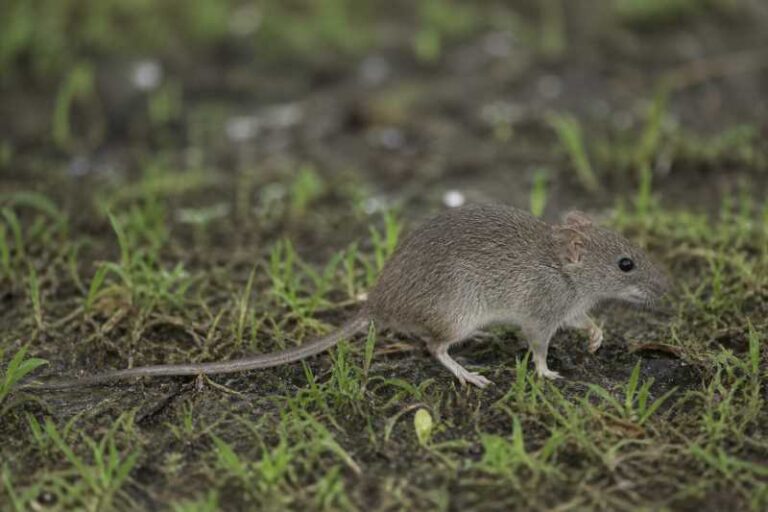
The Southern African Multimammate Mouse is a small rodent with a body length ranging from 10 to 15 centimeters, excluding the tail, which can add an additional 8 to 13 centimeters. The average weight of these mice is between 20 to 60 grams, with males typically being slightly larger than females.
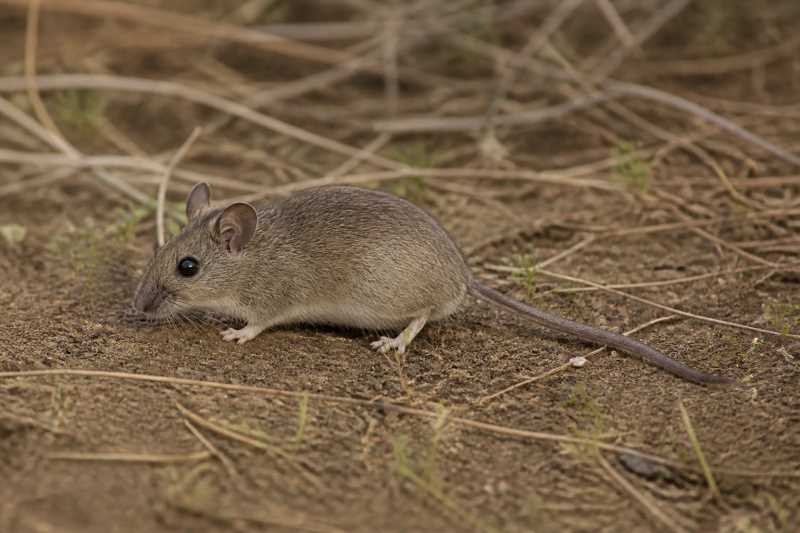
The fur of Mastomys coucha is generally soft and dense, predominantly grayish-brown on the back and lighter on the underside. This coloration provides excellent camouflage against predators in its natural habitat, which is often composed of grasslands and savannas. One of the distinguishing features of this species is the presence of multiple nipples, or mammae, in females, which can range from 8 to 12 pairs. This trait not only gives the species its name but also contributes to its high reproductive capacity.
The ears of the Southern African Multimammate Mouse are relatively large and rounded, while the eyes are prominent, providing excellent night vision. The tail, slightly shorter than the body, is covered in fine hairs and serves as a balance aid when the mouse scurries through its environment.
Range and Habitat
Mastomys coucha is widely distributed across Southern Africa, including countries such as South Africa, Namibia, Botswana, Zimbabwe, and Mozambique. This species favors a variety of habitats, ranging from savannas and grasslands to agricultural lands and urban areas. Its adaptability to different environments has allowed it to thrive despite human encroachment on natural habitats.
The Southern African Multimammate Mouse is often found in areas with abundant vegetation, which provides both food and cover from predators. These mice are also known to inhabit cultivated lands, where they can sometimes become agricultural pests, feeding on crops and stored grains.
The species is particularly well-adapted to arid and semi-arid regions, where it can survive with minimal water intake. This adaptability is a testament to its evolutionary success in diverse environments.
Behavior and Diet
The Southern African Multimammate Mouse is primarily nocturnal, spending its days in burrows or other sheltered areas to avoid predators. At night, these mice become active, foraging for food and engaging in social interactions.
The diet of Mastomys coucha is omnivorous, consisting of seeds, fruits, insects, and small invertebrates. This varied diet allows the species to exploit different food resources, making it highly adaptable to changes in food availability.
Socially, the Southern African Multimammate Mouse is known to live in colonies, which can range from a few individuals to several dozen. This social structure provides benefits such as increased vigilance against predators and improved foraging efficiency. Reproduction occurs throughout the year, with females capable of producing several litters annually due to their high number of mammary glands.
Identification Tips (Field Recognition Cues)
Identifying the Southern African Multimammate Mouse in the field involves observing several key characteristics:
- Size and Shape: Look for a small rodent with a body length of 10 to 15 centimeters, excluding the tail.
- Fur Color: Notice the grayish-brown coloration on the dorsal side with a lighter ventral side.
- Tail: The tail is slightly shorter than the body and covered with fine hairs.
- Ears and Eyes: Large, rounded ears and prominent eyes are notable features.
- Multiple Nipples: Female mice possess multiple pairs of nipples, ranging from 8 to 12 pairs, though this may require closer inspection.
Conservation Status (with Threats and Protections)
The Southern African Multimammate Mouse is currently listed as a species of Least Concern by the International Union for Conservation of Nature (IUCN). This status reflects its wide distribution and stable population numbers across its range.
However, the species faces several threats, including habitat destruction due to agricultural expansion and urbanization. Additionally, as an agricultural pest, it is often subject to control measures that can impact local populations.
Conservation efforts for Mastomys coucha focus on habitat preservation and sustainable agricultural practices that minimize the need for rodent control. By maintaining natural habitats and implementing integrated pest management strategies, it is possible to coexist with this species while protecting agricultural interests.
Frequently Asked Questions
Q1: What is the lifespan of the Southern African Multimammate Mouse?
A1: The typical lifespan of the Southern African Multimammate Mouse ranges from 1 to 2 years in the wild, although individuals in captivity may live longer due to reduced predation and stable food supplies.
Q2: How do Southern African Multimammate Mice communicate?
A2: These mice communicate through a variety of vocalizations, body language, and scent marking. They use high-pitched squeaks to convey alarm or social signals and rely on scent marks to establish territory and identify individuals within a colony.
Q3: Are Southern African Multimammate Mice dangerous to humans?
A3: While generally not dangerous, Mastomys coucha can be a vector for certain diseases, such as Lassa fever, in regions where the disease is prevalent. It is important to exercise caution and control populations in areas where human interactions are frequent.
Q4: How can I prevent Southern African Multimammate Mice from invading my home?
A4: To prevent invasions, ensure that all entry points to your home are sealed, store food in rodent-proof containers, and maintain clean surroundings to reduce attractants. Using humane traps and natural repellents can also help manage populations.
Q5: What role do Southern African Multimammate Mice play in the ecosystem?
A5: These mice play a crucial role in their ecosystem by acting as seed dispersers and as a food source for various predators, including birds of prey, snakes, and small mammals, thus contributing to the ecological balance.
Related posts