Introduction
Cheesman’s Vlei Rat, scientifically known as Otomys cheesmani, is a small mammal species belonging to the Muridae family. This intriguing species is part of the broader genus Otomys, which comprises several African rodent species. Cheesman’s Vlei Rat is notable for its ecological role in its native habitats and its distinctive physical and behavioral traits.
Understanding the particulars of Cheesman’s Vlei Rat is crucial for appreciating its ecological significance and the conservation measures necessary to ensure its survival. This article delves into the details of its physical description, habitat, behavior, and the challenges it faces today.
Physical Description
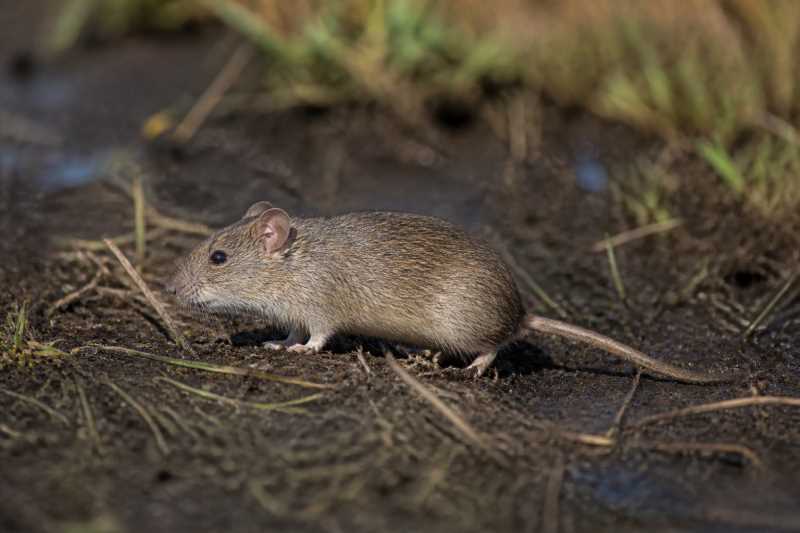
Cheesman’s Vlei Rat is a medium-sized rodent characterized by its robust body and short limbs. It typically measures between 15-25 cm in body length, with a tail that is somewhat shorter than its body, averaging around 10-15 cm. This rat exhibits a dense fur coat, which is usually a mix of gray and brown, providing excellent camouflage against its natural surroundings.
The ears of Cheesman’s Vlei Rat are relatively small and rounded, while its eyes are large and prominent, offering it good vision. This species also has sharp, ever-growing incisors, adapted for gnawing on tough vegetation, which forms a significant part of its diet. The rat’s hind feet are adapted for digging, which aids in creating burrows and foraging for food.
Range and Habitat
Cheesman’s Vlei Rat is predominantly found in the montane and highland regions of East Africa, particularly in countries like Ethiopia and Kenya. Its preferred habitats are wetlands, grasslands, and the fringes of montane forests. These environments offer ample food resources and the dense vegetation cover essential for protection from predators.
The species thrives in areas with high moisture levels, often near vleis—seasonal or permanent wetlands—that provide a consistent water source. These habitats are crucial not only for hydration but also for the availability of aquatic and semi-aquatic plants that form a part of the rat’s diet.
Behavior and Diet
Cheesman’s Vlei Rat is primarily a herbivore, with a diet consisting largely of grasses, sedges, and other green vegetation. It may also consume seeds and occasionally insects, which provide necessary protein and nutrients. The rat is mostly diurnal, but it can exhibit nocturnal activity depending on environmental conditions and the presence of predators.
The species is known for its burrowing behavior, which serves as a means of shelter and protection. These burrows are often complex and can house multiple individuals, suggesting a degree of social structure. Cheesman’s Vlei Rat is also territorial, marking its range with scent trails and vocalizations to ward off intruders.
Identification Tips (field recognition cues)
Identifying Cheesman’s Vlei Rat in the field requires attention to specific cues:
- Size and Shape: Look for a medium-sized rodent with a stocky build and a relatively short tail compared to its body length.
- Fur Color: Note the gray-brown coloration of its dense fur, which blends well with its natural environment.
- Habitat Preference: Spotting this species is more likely in wetland areas or grasslands, particularly those at higher altitudes.
- Activity Patterns: Observe diurnal activity, although nocturnal movements can occur.
- Vocalizations: Listen for high-pitched squeaks or chatter, especially during the breeding season.
Conservation Status (with threats and protections)
Currently, Cheesman’s Vlei Rat is not listed as endangered, but it faces several threats that could impact its population. Habitat destruction, primarily due to agricultural expansion and urbanization, poses a significant threat. Wetland drainage for farming and human settlement reduces available habitat for this species.
Climate change further exacerbates these threats by altering the ecosystems that Cheesman’s Vlei Rat depends on. Changes in rainfall patterns can affect the availability of food and water resources, leading to increased competition and stress.
Conservation efforts for Cheesman’s Vlei Rat involve habitat protection and restoration. Preserving wetlands and implementing sustainable land-use practices are critical steps in ensuring the survival of this species. Protected areas and wildlife reserves play a pivotal role in maintaining viable populations of Cheesman’s Vlei Rat.
Frequently Asked Questions
What does Cheesman’s Vlei Rat eat?
Cheesman’s Vlei Rat primarily feeds on grasses, sedges, and other green vegetation. Occasionally, it may consume seeds and insects for added nutrition.
Where can Cheesman’s Vlei Rat be found?
This species is mainly found in the montane and highland regions of East Africa, particularly in Ethiopia and Kenya. It prefers wetland and grassland habitats at higher altitudes.
How does Cheesman’s Vlei Rat adapt to its environment?
Cheesman’s Vlei Rat adapts to its environment through its burrowing behavior, dense fur for camouflage, and dietary flexibility. Its ability to tolerate moist conditions allows it to thrive in wetland areas.
Is Cheesman’s Vlei Rat endangered?
Cheesman’s Vlei Rat is not currently considered endangered, but it is threatened by habitat destruction and climate change. Conservation efforts focus on habitat preservation and sustainable practices.
What are the main threats to Cheesman’s Vlei Rat?
The main threats include habitat destruction due to agriculture and urbanization, as well as climate change affecting its wetland and grassland habitats.
Related posts