Introduction
The Angoni Vlei Rat, scientifically known as Otomys angoniensis, is a small mammal that plays a significant ecological role in its native habitats. This rodent species is part of the Muridae family, which includes some of the most diverse and widespread rodents around the world. While not as well-known as some of its rodent cousins, the Angoni Vlei Rat is a fascinating creature with unique adaptations that allow it to thrive in its environment. This article delves into the various aspects of the Angoni Vlei Rat, providing a comprehensive overview of its physical characteristics, habitat, behavior, and conservation status.
Physical Description
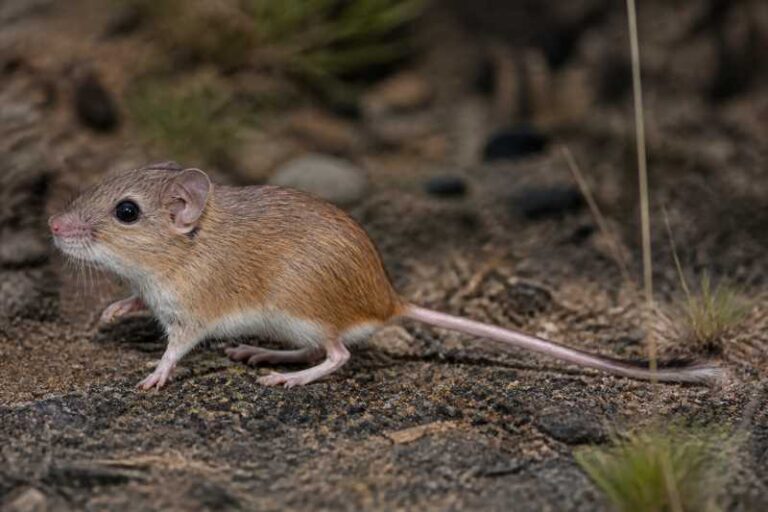
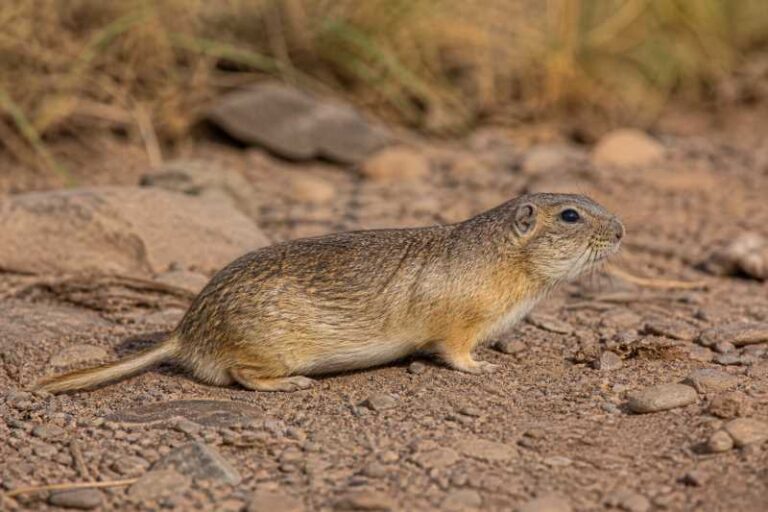
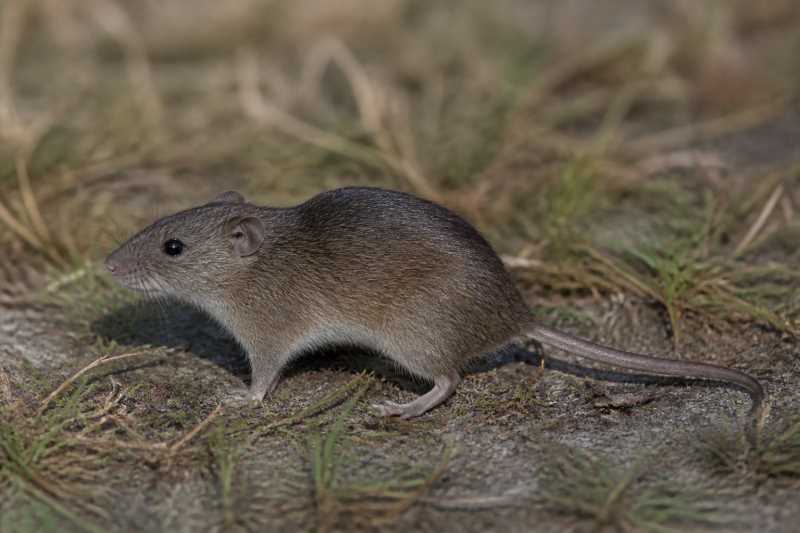
The Angoni Vlei Rat is a medium-sized rodent with a robust body and a relatively short tail. The average body length ranges from 12 to 17 centimeters, with a tail length of approximately 3 to 5 centimeters, which is notably shorter than the tails of many other rodent species. This species exhibits a dense, soft fur which is usually a brownish-grey on the dorsal side, while the ventral side is typically lighter, often whitish or pale grey. The fur coloration provides excellent camouflage against the grassy and marshy environments it inhabits.
Their ears are small and rounded, aiding in minimizing heat loss and reducing moisture retention, which is essential for their wetland habitats. Their eyes are moderately large, providing good vision which is crucial for nocturnal activities. The dental formula of the Angoni Vlei Rat is specialized for a herbivorous diet, with large incisors and flat molars designed to grind plant material efficiently.
Range and Habitat
The Angoni Vlei Rat is primarily found in sub-Saharan Africa, with a range that includes countries such as Zambia, Zimbabwe, Malawi, Mozambique, and parts of Tanzania. It prefers habitats that are associated with water, such as marshes, wetlands, and the edges of rivers and streams. These environments provide the necessary resources for food and shelter, as well as protection from predators.
Within these habitats, the Angoni Vlei Rat constructs intricate burrow systems that serve as both a living space and a defense mechanism against predators. These burrows are typically located in areas with dense vegetation, which also provides additional cover and food sources. The species is highly adaptable, able to thrive in a variety of wetland environments, from high-altitude marshes to lowland riverbanks.
Behavior and Diet
The Angoni Vlei Rat is primarily nocturnal, foraging for food under the cover of darkness to avoid predators. Their diet is predominantly herbivorous, consisting mainly of grasses, sedges, and other aquatic plants found in their wetland habitats. They have been observed to occasionally consume insects and other small invertebrates, supplementing their diet with additional protein sources.
Social behavior among Angoni Vlei Rats is relatively complex for a rodent species. They are known to live in small family groups, with adults exhibiting cooperative behaviors in rearing young and maintaining their burrow systems. Communication within these groups is facilitated through vocalizations and scent marking, helping to establish territory and social hierarchies.
Identification Tips
Identifying the Angoni Vlei Rat in the field can be challenging due to its nocturnal nature and preference for dense habitats. However, several key characteristics can aid in recognition:
- Size and Shape: Look for a medium-sized rodent with a stout body and a notably short tail.
- Fur Coloration: Observe the brownish-grey dorsal fur and lighter ventral fur, which blend well with marshland environments.
- Habitat: Focus on areas near water bodies with dense vegetation, where these rats are likely to be found.
- Activity: Note nocturnal activity patterns, as they are rarely seen during the day.
Conservation Status
As of the latest assessments, the Angoni Vlei Rat is listed as Least Concern by the International Union for Conservation of Nature (IUCN). Despite this classification, the species faces several threats that could impact its populations in the future.
One of the primary threats to the Angoni Vlei Rat is habitat destruction due to agricultural expansion and urban development. Wetlands are often drained or altered for these purposes, leading to significant loss of habitat. Additionally, pollution and climate change pose increasing risks to these sensitive environments.
Conservation efforts are mainly focused on habitat preservation and restoration. Protected areas and wildlife reserves play a crucial role in safeguarding the habitats of the Angoni Vlei Rat. Environmental regulations aimed at controlling pollution and sustainable land use practices are also vital in maintaining healthy populations of this species.
Frequently Asked Questions
1. What does the Angoni Vlei Rat eat?
- The Angoni Vlei Rat primarily feeds on grasses, sedges, and other aquatic plants. Occasionally, they may eat insects and small invertebrates.
2. Where can the Angoni Vlei Rat be found?
- This species is found in sub-Saharan Africa, particularly in countries like Zambia, Zimbabwe, Malawi, Mozambique, and Tanzania, usually near water bodies.
3. Is the Angoni Vlei Rat endangered?
- Currently, the Angoni Vlei Rat is not endangered and is listed as Least Concern. However, habitat destruction poses a potential threat to its future populations.
4. How can you identify an Angoni Vlei Rat?
- Identification can be made by its medium size, short tail, brownish-grey dorsal fur, and its presence in wetland habitats.
5. What are the main threats to the Angoni Vlei Rat?
- The main threats include habitat destruction due to agriculture, urban development, pollution, and climate change impacting wetland areas.
Related posts