Introduction
The Karoo Vlei Rat, scientifically known as Otomys unisulcatus, is a remarkable rodent species endemic to the arid regions of South Africa. This intriguing mammal is part of the Muridae family and is notable for its adaptations to survive in the harsh conditions of the Karoo biome. As a part of the ecosystem, the Karoo Vlei Rat plays a vital role in the food web and contributes to the biodiversity of its native habitat.
Understanding the life of the Karoo Vlei Rat is essential for appreciating the complexity of the ecosystems they inhabit and recognizing the challenges they face in a rapidly changing environment. This article delves into various aspects of this unique species, including its physical traits, habitat preferences, behavioral patterns, and conservation status.
Physical Description
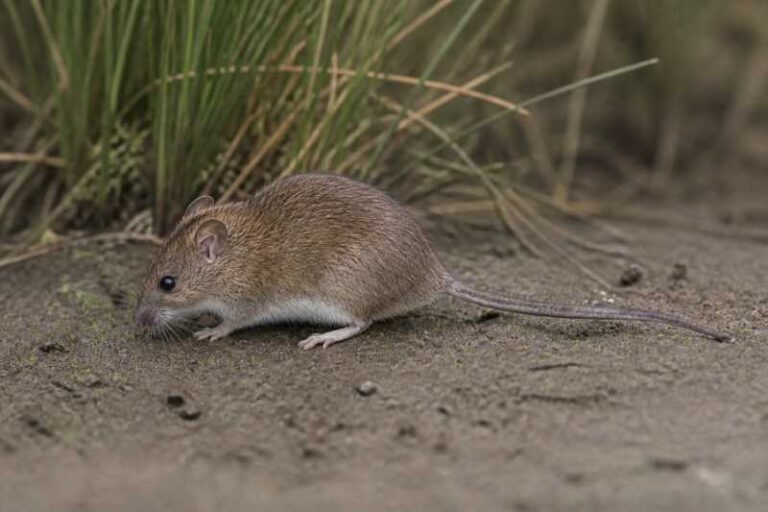
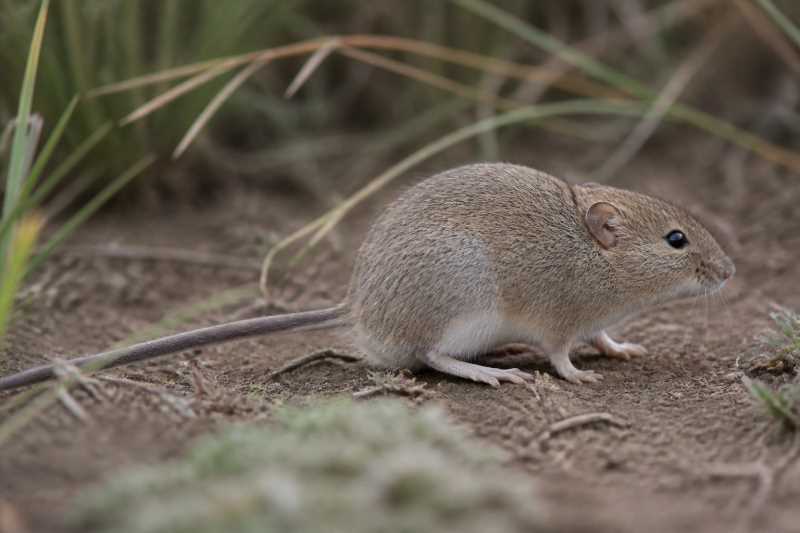
The Karoo Vlei Rat is a medium-sized rodent, typically growing to a length of 15 to 20 centimeters, with a tail length of approximately 7 to 12 centimeters. One of its distinguishing features is its dense and coarse fur, which ranges in color from light brown to grayish-brown, offering effective camouflage against the arid landscapes of the Karoo.
Its robust body is well-adapted to its environment, with short limbs and a stocky build. This body shape helps the Karoo Vlei Rat conserve water and energy. The ears are relatively small and rounded, which reduces water loss and protects against the harsh sun and wind. The species has large, bright eyes adapted for nocturnal activity, and its incisors are sharp and continuously growing, suited for a diet of tough, fibrous plant material.
Range and Habitat
The Karoo Vlei Rat is found exclusively within South Africa, primarily in the semi-arid and arid regions of the Karoo biome. This area is characterized by its sparse vegetation, consisting mainly of shrubs, grasses, and succulents, which are well-suited to the low rainfall and high temperatures of the region.
These rats prefer habitats with dense vegetation cover, such as vlei areas, which are seasonal wetlands that provide both food and shelter. The presence of water and vegetation in these areas supports the Karoo Vlei Rat’s dietary needs and offers protection from predators. Their distribution is limited by the availability of such habitats, making them particularly vulnerable to changes in land use and climate.
Behavior and Diet
The Karoo Vlei Rat is primarily nocturnal, seeking shelter during the heat of the day and becoming active at dusk. This behavior helps the rat to avoid the extreme temperatures typical of its habitat. They are known for their cautious nature, often darting between cover as they forage.
Dietarily, the Karoo Vlei Rat is herbivorous, feeding mainly on grasses, seeds, and succulent plants. This diet is well-adapted to their environment, as they are able to extract sufficient moisture from their food to survive long periods without direct water sources. Their incisors are perfectly adapted to gnawing tough plant material, a necessary trait for processing their fibrous diet.
Socially, these rats are relatively solitary, although they may be seen foraging in loose groups when food resources are abundant. Communication is primarily through scent marking and vocalizations, which play a crucial role in territory establishment and mating.
Identification Tips (Field Recognition Cues)
Identifying the Karoo Vlei Rat in the field can be challenging due to its elusive nature and the similarity to other small rodents. However, there are several key characteristics to look for:
- Fur: Look for the dense, coarse fur that is light brown to grayish-brown in color, providing excellent camouflage among the shrubs and grasses.
- Size and Shape: Notice the medium size, robust body, and short limbs. The tail is relatively short compared to the body length.
- Behavior: Observe the nocturnal activity patterns and the cautious movements, often seen darting quickly between cover.
- Habitat: Focus on areas with dense vegetation in semi-arid regions, particularly near vleis or other sources of seasonal water.
Conservation Status (with Threats and Protections)
The Karoo Vlei Rat is currently listed as a species of "Least Concern" by the International Union for Conservation of Nature (IUCN). However, this status does not mean the species is free from threats. The primary concerns for the Karoo Vlei Rat include habitat loss due to agricultural expansion, overgrazing by livestock, and climate change, which alters the availability of water and food resources in their natural habitat.
Conservation efforts for the Karoo Vlei Rat are focused on habitat preservation and management. Protecting the delicate balance of the Karoo ecosystem is essential for maintaining the natural habitats that these rodents depend on. This includes implementing sustainable land-use practices that minimize environmental impact and promoting awareness of the species and its ecological importance.
Frequently Asked Questions
1. What is the primary diet of the Karoo Vlei Rat?
The Karoo Vlei Rat primarily feeds on grasses, seeds, and succulent plants. This herbivorous diet allows them to extract necessary moisture from their food, reducing their reliance on direct water sources, which are scarce in their arid habitat.
2. How does the Karoo Vlei Rat adapt to its harsh environment?
The Karoo Vlei Rat has several adaptations for surviving in its harsh environment, including nocturnal behavior to avoid daytime heat, a robust body for conserving water and energy, and a diet that provides sufficient hydration. Their dense fur also offers protection against the elements, and their keen senses help them locate food and avoid predators.
3. Where can the Karoo Vlei Rat be found?
The Karoo Vlei Rat is endemic to South Africa, specifically within the semi-arid and arid regions of the Karoo biome. They prefer habitats with dense vegetation cover, such as vleis, which provide both food and shelter.
4. What are the main threats to the Karoo Vlei Rat?
The main threats to the Karoo Vlei Rat include habitat loss due to agricultural expansion, overgrazing, and climate change. These factors can lead to a reduction in available food and water resources, making it difficult for the species to survive.
5. How can we help conserve the Karoo Vlei Rat?
Conservation efforts include protecting natural habitats, promoting sustainable land-use practices, and raising awareness of the species’ ecological role. Supporting conservation organizations and initiatives focused on habitat preservation can also make a significant impact.
Related posts