Introduction
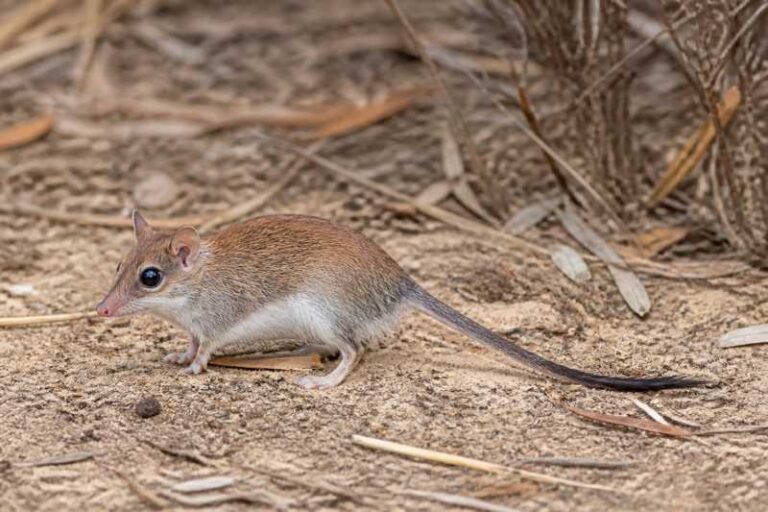
The Middle Shaggy Rat, scientifically known as Dasymys medius, is a fascinating rodent species belonging to the family Muridae. This small mammal is part of the diverse genus Dasymys, which includes several species distributed across sub-Saharan Africa. The Middle Shaggy Rat is a notable subject of study due to its unique adaptations and ecological significance within its habitat. In this comprehensive article, we will delve into various aspects of this species, including its physical characteristics, habitat preferences, behavior, diet, and conservation status.
Physical Description
The Middle Shaggy Rat is characterized by its medium-sized, robust body covered in shaggy fur. The fur is typically gray-brown on the dorsal side, providing excellent camouflage against the forest floor and grassland environments it inhabits. The underbelly is usually lighter, often displaying a soft, creamy hue. One of the distinguishing features of this species is its long, densely furred tail, which aids in balance and mobility through its habitat.
Adults typically measure between 12 to 18 centimeters in body length, with the tail adding an additional 10 to 15 centimeters. The average weight ranges from 60 to 100 grams. The Middle Shaggy Rat has relatively large, rounded ears and small, beady eyes, which are well adapted for their nocturnal lifestyle. Their strong, sharp incisors are perfectly suited for gnawing through tough plant material, a staple in their diet.
Range and Habitat
The Middle Shaggy Rat is primarily found in the central regions of Africa, with populations recorded in countries such as the Democratic Republic of the Congo, Uganda, and parts of Kenya and Tanzania. Its preferred habitats include moist grasslands, wetlands, and the edges of tropical forests. These environments provide ample cover and resources, supporting the species’ dietary and shelter needs.
The presence of water bodies such as rivers, lakes, and marshes is crucial for the Middle Shaggy Rat, as these areas offer both food and protection from predators. The species is known to construct intricate burrow systems, which serve as nesting sites and refuges from adverse weather conditions and predators.
Behavior and Diet
The Middle Shaggy Rat is predominantly nocturnal, exhibiting peak activity during the early evening and late night hours. This behavior reduces the risk of predation, as many of its natural predators are diurnal. The species is also known for its solitary nature, although some social interaction occurs during breeding seasons.
In terms of diet, the Middle Shaggy Rat is primarily herbivorous, feeding on a variety of grasses, leaves, seeds, and occasionally fruits. The species has also been observed consuming small invertebrates, such as insects and larvae, which provide essential proteins and nutrients, especially during the breeding season.
Identification Tips
Identifying the Middle Shaggy Rat in the field requires careful observation of several key characteristics:
- Fur Texture and Color: Look for the distinctive shaggy, gray-brown fur with a lighter underbelly.
- Tail: Note the long, fur-covered tail that is nearly as long as the body.
- Size: The medium size of the body (12 to 18 cm) helps differentiate it from other rodents.
- Habitat: Presence in moist grasslands and wetlands is a strong indicator.
- Behavior: Nocturnal activity patterns can help confirm sightings.
Conservation Status
As of the latest assessments, the Middle Shaggy Rat is classified as "Least Concern" by the International Union for Conservation of Nature (IUCN). However, like many species, it faces potential threats from habitat destruction, primarily due to agricultural expansion, deforestation, and climate change.
Conservation efforts for the Middle Shaggy Rat include habitat protection and restoration, as well as monitoring population trends to ensure stability. Local conservation programs aim to promote sustainable land-use practices that minimize environmental impact.
Frequently Asked Questions
1. What is the lifespan of the Middle Shaggy Rat? The Middle Shaggy Rat typically has a lifespan of 2 to 3 years in the wild. Factors such as predation, food availability, and environmental conditions can influence longevity.
2. How does the Middle Shaggy Rat adapt to its environment? The Middle Shaggy Rat adapts to its environment through its nocturnal behavior, which reduces predation risk. Its shaggy fur provides camouflage, and its burrowing habits offer shelter and protection.
3. Are Middle Shaggy Rats social animals? Middle Shaggy Rats are generally solitary, interacting primarily during the breeding season. They maintain individual territories and use scent markings to communicate with other rats.
4. What predators threaten the Middle Shaggy Rat? Common predators include birds of prey, snakes, and small carnivorous mammals. Their nocturnal habits help mitigate the risk of predation.
5. How can human activity impact the Middle Shaggy Rat’s habitat? Human activities such as agriculture and urban development can lead to habitat loss and fragmentation, posing significant threats to the Middle Shaggy Rat’s survival.
Related posts