Introduction
The Brown-bellied Broad-nosed Bat, scientifically known as Platyrrhinus fusciventris, is a fascinating species of bat that captures the interest of researchers and wildlife enthusiasts alike. These bats are an integral part of the ecosystem, playing a crucial role in pest control and seed dispersion. Known for their distinctive physical features and unique behavioral traits, the Brown-bellied Broad-nosed Bat is a subject of extensive scientific study. This article delves into the various aspects of this intriguing species, including its physical description, range and habitat, behavior and diet, and more.
Physical Description
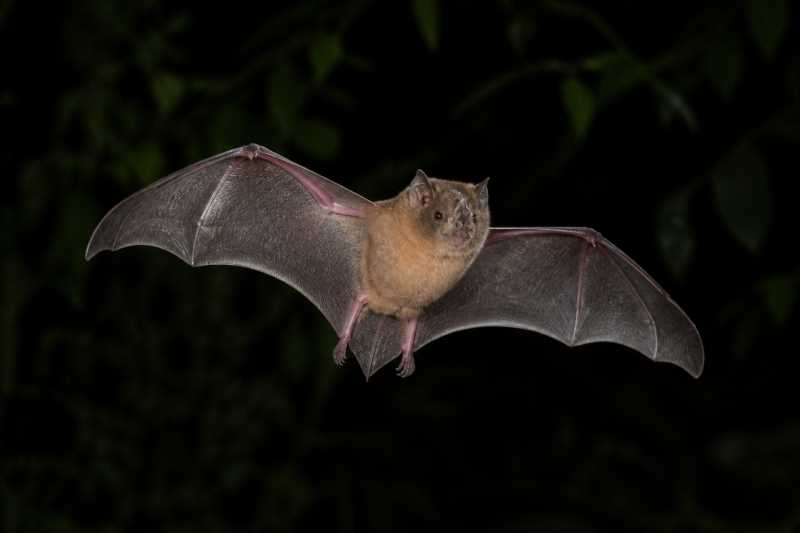
Platyrrhinus fusciventris is characterized by its medium size and broad nose, which gives the bat its distinctive appearance. The fur of this species is primarily brown, with a lighter brown to grayish undertone on the belly, hence the name "Brown-bellied." The dorsal fur is typically darker than the ventral side, providing a form of natural camouflage when roosting among tree bark or in caves. The ears of the Brown-bellied Broad-nosed Bat are relatively short and rounded, and their wings are broad, aiding in maneuverability during flight.
The wingspan of these bats ranges between 30 to 35 centimeters, and their body length is approximately 9 to 11 centimeters. A key feature that distinguishes Platyrrhinus fusciventris from other bats is its dental structure, which is adapted to its diet. The bat’s incisors and canines are well developed, reflecting its dependence on a varied diet.
Range and Habitat
The range of the Brown-bellied Broad-nosed Bat extends across various regions of Central and South America. They are predominantly found in tropical and subtropical forests, thriving in environments that offer abundant food sources and suitable roosting sites. From the lowland rainforests to the foothills of the Andes, Platyrrhinus fusciventris has adapted to diverse habitats, although they show a preference for areas with dense vegetation.
These bats are typically found at elevations ranging from sea level to about 1,500 meters. Their habitat selection is closely linked to the availability of fruiting trees and the presence of natural shelters such as caves, hollow trees, and dense foliage, where they can roost during the day.
Behavior and Diet
The Brown-bellied Broad-nosed Bat is primarily nocturnal, emerging at dusk to forage for food. Their diet is mainly frugivorous, consisting of a variety of fruits, which they locate using their acute sense of smell and echolocation abilities. These bats play a significant role in seed dispersal, contributing to forest regeneration and maintaining the ecological balance.
In addition to fruits, Platyrrhinus fusciventris occasionally consumes insects, which provide a source of protein. Their foraging behavior is characterized by short flights interspersed with periods of hovering as they inspect potential food sources. Socially, these bats are known to roost in small groups, which may consist of family units or unrelated individuals.
Identification Tips (Field Recognition Cues)
Identifying the Brown-bellied Broad-nosed Bat in the field involves observing several key characteristics:
- Coloration: Look for the distinct brown dorsal fur and lighter, brownish-gray ventral fur. This contrast is a primary identification marker.
- Nose Shape: As the name suggests, the broad nose is a significant feature, providing a clue for identification.
- Flight Pattern: Note the bat’s maneuverable and agile flight pattern, which is indicative of its foraging behavior.
- Roosting Sites: These bats are often found in dense foliage or caves, so exploring such areas may yield sightings.
- Sound: Listen for their echolocation clicks, which are often audible to the human ear, especially when they are in close proximity.
Conservation Status (With Threats and Protections)
The conservation status of the Brown-bellied Broad-nosed Bat is currently listed as Least Concern by the International Union for Conservation of Nature (IUCN). However, like many bat species, they face threats from habitat destruction, climate change, and human disturbances.
Deforestation for agricultural expansion and urban development is the most significant threat, leading to the loss of roosting sites and food resources. Additionally, the use of pesticides can negatively impact their food supply and health. Climate change poses a long-term threat, potentially altering their habitat and food availability.
Conservation efforts are focused on habitat preservation and the establishment of protected areas to ensure the survival of these bats. Environmental education and awareness campaigns are also crucial in promoting bat-friendly practices and reducing human-wildlife conflicts.
Frequently Asked Questions
Q1: What does the Brown-bellied Broad-nosed Bat eat? A1: The Brown-bellied Broad-nosed Bat primarily feeds on fruits, but it also consumes insects. Their diet helps with seed dispersal and pest control, making them vital to their ecosystem.
Q2: Where can I find the Brown-bellied Broad-nosed Bat? A2: These bats are found in tropical and subtropical regions of Central and South America, particularly in dense forests with abundant fruiting trees and suitable roosting sites like caves and hollow trees.
Q3: How does the Brown-bellied Broad-nosed Bat contribute to the ecosystem? A3: By dispersing seeds and controlling insect populations, the Brown-bellied Broad-nosed Bat plays a crucial role in maintaining ecological balance and promoting forest regeneration.
Q4: What are the threats to the Brown-bellied Broad-nosed Bat? A4: Major threats include habitat destruction due to deforestation, pesticide use, and climate change, which affect their food sources and roosting sites.
Q5: How can I help in the conservation of Brown-bellied Broad-nosed Bats? A5: Supporting conservation organizations, promoting bat-friendly gardening, and reducing pesticide use can help protect the habitat and food resources for these bats.
Related posts