Introduction
The Common Defua Rat (Dephomys defua) is a fascinating and lesser-known rodent species that inhabits parts of West Africa. Known for its elusive nature and nocturnal habits, this species plays an important role in its ecosystem. Despite its common name, the Defua Rat remains relatively obscure in scientific literature, making it a captivating subject for study. This article delves into various aspects of the Common Defua Rat, from its physical characteristics to its behavior, habitat, and conservation status.
Physical Description
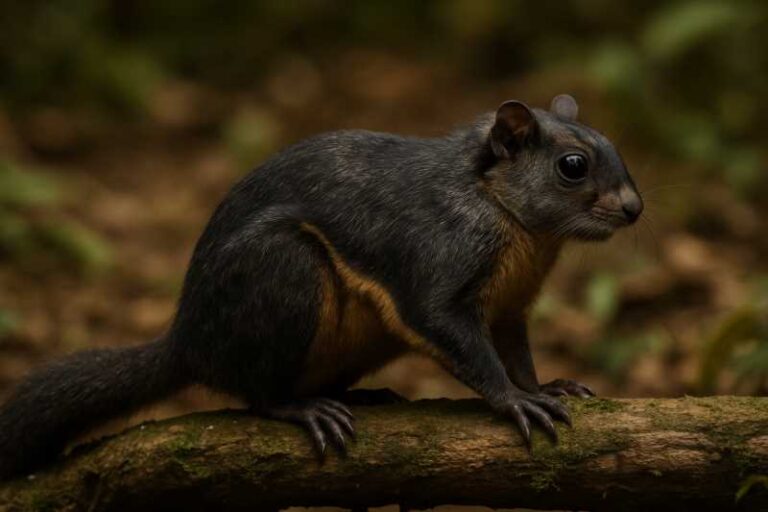
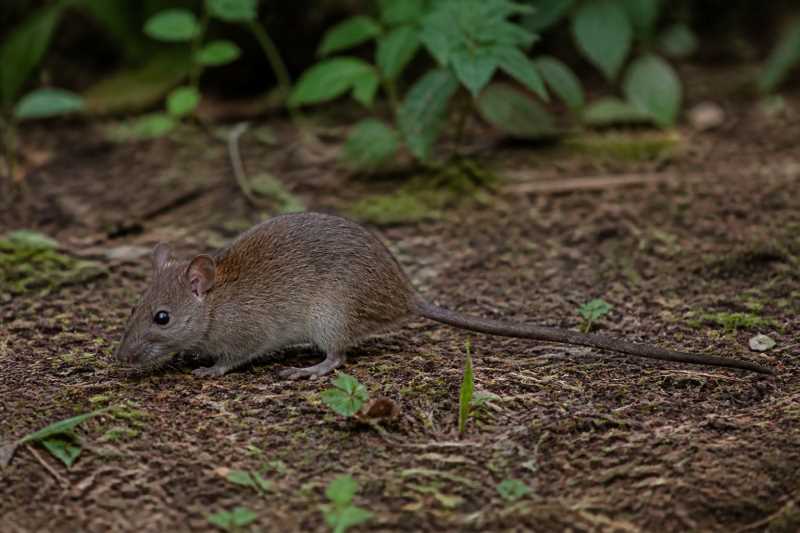
The Common Defua Rat is a medium-sized rodent, characterized by its slender body and long tail. Adults typically measure around 10 to 15 centimeters in body length, with a tail extending an additional 12 to 18 centimeters, which aids in balance and mobility. Their fur is generally a mix of gray and brown shades, providing excellent camouflage against the forest floor. The underbelly is lighter, often white or light gray, creating a distinct contrast.
Their ears are relatively small and rounded, positioned slightly back on the head. This feature, along with a pointed snout, gives the Defua Rat its distinct appearance. Their eyes are large and adapted for nocturnal activity, allowing them enhanced vision in low-light conditions. Their whiskers are long and sensitive, serving as essential sensory tools for navigating through dense vegetation.
Range and Habitat
The Common Defua Rat is predominantly found in West Africa, with its range extending across countries such as Ghana, Ivory Coast, and Liberia. These rodents thrive in tropical and subtropical climates, particularly favoring the dense undergrowth of primary and secondary forests. They are also known to inhabit areas near streams and rivers, where the moisture supports a rich diversity of plant and animal life.
Their habitat preference includes regions with thick leaf litter and ample cover, providing protection from predators and opportunities for foraging. While they are adaptable to some habitat disturbances, significant changes in their environment, such as deforestation, can adversely affect their populations.
Behavior and Diet
The Common Defua Rat is primarily nocturnal, spending most of its daytime hours in burrows or nests constructed from leaves and twigs. These burrows are usually located in secluded areas, offering safety from predators. At night, they become active foragers, utilizing their keen sense of smell and hearing to locate food.
Their diet is omnivorous, consisting of a variety of seeds, fruits, insects, and small invertebrates. This diverse diet allows them to adapt to seasonal changes in food availability. The Defua Rat plays a vital role in seed dispersal, contributing to the regeneration of plant life within its habitat.
Socially, the Common Defua Rat is relatively solitary, although they may sometimes be observed in small family groups, particularly during the breeding season. Communication is subtle, relying on vocalizations and scent markings to establish territories and attract mates.
Identification Tips (Field Recognition Cues)
Identifying the Common Defua Rat in the wild requires a keen eye and understanding of its distinct characteristics. Here are some tips for field recognition:
- Tail Length: Look for a long tail that exceeds the length of the body, often used for balance when moving through trees and underbrush.
- Fur Coloration: Notice the gray-brown fur with a lighter underbelly, providing effective camouflage in forest environments.
- Nocturnal Activity: Observation during nighttime is crucial, as they are primarily active after dark.
- Ear Shape: The small, rounded ears set slightly back on the head are distinctive features.
- Habitat: Focus on dense forest areas with abundant ground cover where they are likely to forage and nest.
Conservation Status (with Threats and Protections)
The conservation status of the Common Defua Rat is currently classified as Least Concern by the IUCN Red List, but this does not mean the species is free from threats. Habitat destruction due to logging, agriculture, and urban expansion poses significant challenges, fragmenting their natural habitats and reducing available resources.
Efforts to protect this species include maintaining and restoring forest habitats, as well as implementing sustainable land-use practices that minimize environmental impact. Conservation initiatives also emphasize research to better understand their ecological role and population dynamics, providing essential data to inform policy decisions.
Frequently Asked Questions
What is the natural habitat of the Common Defua Rat?
The Common Defua Rat naturally inhabits the dense, humid forests of West Africa, thriving in environments with thick undergrowth and near water sources such as streams and rivers.
How can I differentiate a Defua Rat from other rodents?
Key differentiators include its long tail, gray-brown coloration with a lighter underbelly, small rounded ears, and nocturnal activity patterns. Observing these characteristics in a suitable habitat can aid in accurate identification.
Is the Common Defua Rat endangered?
Currently, the Common Defua Rat is not considered endangered and is listed as Least Concern. However, ongoing habitat destruction and fragmentation could pose future risks to its populations.
What role does the Defua Rat play in its ecosystem?
The Defua Rat is an important seed disperser, aiding plant regeneration and maintaining ecological balance. Its omnivorous diet also helps control insect populations.
Are there any conservation efforts in place for the Common Defua Rat?
Yes, conservation efforts focus on habitat preservation and sustainable land-use practices. Research initiatives aim to enhance understanding of their ecological roles and inform protective measures.
Related posts