Introduction
The Persian Jird (Meriones persicus) is a captivating member of the rodent family, Gerbillinae, which is often overshadowed by its more well-known cousin, the gerbil. Nevertheless, this small mammal plays a significant role in its native ecosystems. Known for its adaptability and resilience, the Persian Jird inhabits various environments, from arid deserts to semi-arid regions. This article delves into the fascinating world of the Persian Jird, exploring its physical characteristics, habitat, behavior, and conservation status, along with tips for identifying this unique species.
Physical Description
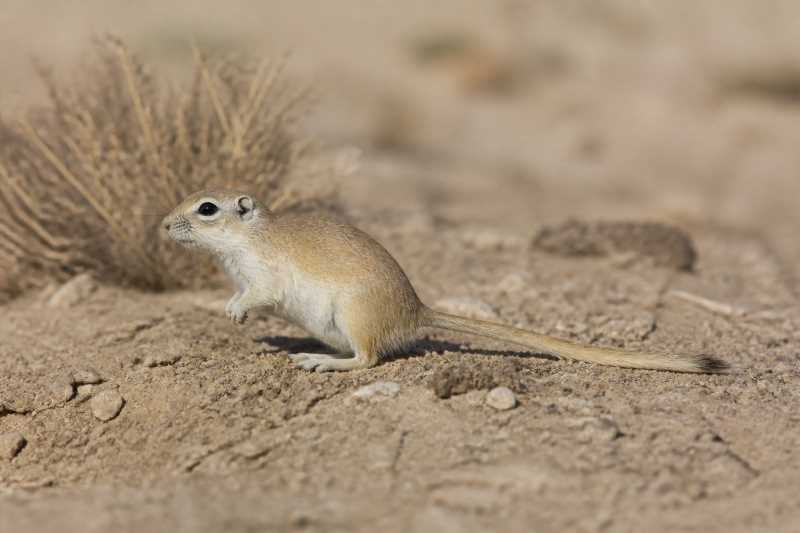
The Persian Jird is a medium-sized rodent, typically measuring between 15 to 18 centimeters in body length, with an additional tail length of about 10 to 15 centimeters. This tail is often bushy towards the tip, providing balance and agility as the jird scurries across its terrain. Weighing between 60 to 100 grams, the Persian Jird is relatively lightweight, allowing for swift movements.
A distinguishing feature of the Persian Jird is its soft, dense fur, which varies in color from pale sandy tones to darker grays, providing excellent camouflage against its natural backdrop. The underbelly is typically lighter, often white or cream in color. Large, black eyes dominate its face, allowing for keen nocturnal vision, while its pronounced ears aid in detecting predators. The jird’s limbs are adapted for digging, with strong claws that enable it to create intricate burrow systems.
Range and Habitat
The Persian Jird is primarily found in the Middle East and parts of Central Asia. Its range extends across countries such as Iran, Afghanistan, Pakistan, and into the southern regions of Turkmenistan. These rodents prefer semi-arid to arid environments, thriving in steppes, rocky deserts, and grasslands.
Within these habitats, the Persian Jird constructs complex burrow systems, which serve as protection from predators and extreme weather conditions. These burrows, often shared with other members of their species, are crucial for their survival, providing a safe environment for rearing young and storing food.
Behavior and Diet
Primarily nocturnal, the Persian Jird emerges from its burrow at dusk to forage for food. This rodent is omnivorous, with a diet consisting of seeds, grains, and vegetation, supplemented by insects and small invertebrates. Their foraging behavior is highly adaptive, allowing them to thrive in areas where food resources are scarce.
Social by nature, Persian Jirds are often found in small colonies, which offer protection and increased efficiency in locating food. Communication among these animals is achieved through a series of vocalizations and scent markings, which help establish territory and social hierarchy.
Identification Tips (Field Recognition Cues)
Identifying the Persian Jird in the field requires keen observation skills. Here are some tips to help distinguish this species from other rodents:
- Tail: Look for a comparatively long, bushy tail, which is a key feature of the Persian Jird.
- Fur Color: Note the sandy to grayish-brown fur, which helps it blend seamlessly into its desert surroundings.
- Size: The Persian Jird is medium-sized, larger than common mice but smaller than many rats.
- Behavior: Observe for nocturnal activity patterns and social behavior, as Persian Jirds are often active after sunset and found in groups.
- Habitat: Sightings are more likely in semi-arid regions, particularly around rocky terrains and grasslands.
Conservation Status (With Threats and Protections)
Currently, the Persian Jird is classified as a species of Least Concern by the International Union for Conservation of Nature (IUCN). Despite this status, the species faces several threats that could impact its populations in the future.
Threats
- Habitat Destruction: Urbanization and agricultural expansion result in habitat loss and fragmentation, posing a significant threat to the Persian Jird’s natural environment.
- Predation: Natural predators include birds of prey, foxes, and snakes, which can significantly impact local populations.
- Climate Change: Altered weather patterns affect food availability and habitat conditions, challenging the species’ adaptability.
Protections
Efforts to conserve the Persian Jird focus primarily on habitat preservation. Establishing protected areas and promoting sustainable agricultural practices are crucial steps in ensuring this species’ survival. Education and awareness programs also play a vital role in reducing human impact on their habitats.
Frequently Asked Questions
- What do Persian Jirds eat?
Persian Jirds are omnivorous, feeding on seeds, grains, vegetation, and occasionally insects. Their diet is highly adaptable, allowing them to thrive in various environments.
- Where can Persian Jirds be found?
These rodents are native to the Middle East and parts of Central Asia, inhabiting countries like Iran, Afghanistan, and Pakistan. They prefer semi-arid to arid habitats such as steppes and rocky deserts.
- How do Persian Jirds communicate?
Persian Jirds communicate through vocalizations and scent markings. These methods help establish territory and social hierarchy within their colonies.
- Are Persian Jirds endangered?
No, the Persian Jird is currently classified as Least Concern by the IUCN, although habitat destruction and other threats could impact their populations in the future.
- How can you distinguish a Persian Jird from other rodents?
Key identification features include their long, bushy tail, sandy to grayish-brown fur, nocturnal activity patterns, and preference for semi-arid habitats.
Related posts