Pakistan Brush-tailed Mouse: An In-Depth Look at Calomyscus baluchi
Introduction
The Pakistan Brush-tailed Mouse, scientifically known as Calomyscus baluchi, is a fascinating mammal species with unique adaptations and characteristics. This elusive rodent belongs to the family Calomyscidae and is primarily found in specific regions of Pakistan and parts of Iran. Despite its limited range, the Pakistan Brush-tailed Mouse plays a crucial role in its ecosystem. This article explores various aspects of this species, including its physical description, habitat, behavior, and conservation status.
Physical Description
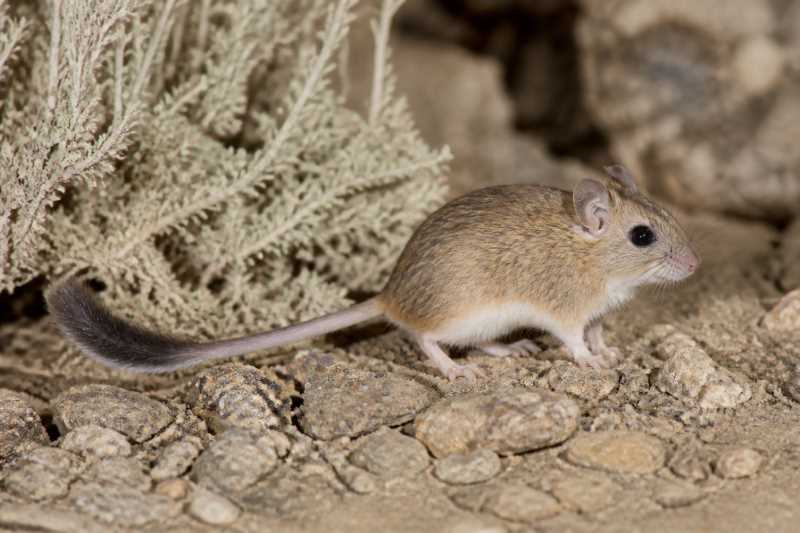
The Pakistan Brush-tailed Mouse is a small rodent characterized by its distinctive brush-like tail. Adult mice typically weigh between 20 to 40 grams and measure around 8 to 10 centimeters in body length, with a tail length of approximately 9 to 12 centimeters. Their fur is soft and dense, predominantly featuring a sandy or grayish-brown color that provides effective camouflage in their natural environment. The underparts are lighter, ranging from white to pale gray.
The most striking feature of the Calomyscus baluchi is its tail, which is covered in long, bushy hair, giving it a brush-like appearance. This unique tail not only aids in balance and agility but is also thought to play a role in communication among individuals. Their large, dark eyes are well-adapted for nocturnal activity, and their prominent, rounded ears enhance their auditory capabilities.
Range and Habitat
The Pakistan Brush-tailed Mouse is primarily found in the arid and semi-arid regions of Balochistan in Pakistan and occasionally in neighboring areas of Iran. Their habitat consists of rocky outcrops, dry steppes, and desert fringes where vegetation is sparse. These environments provide ample hiding spots and nesting sites, critical for their survival.
Adapted to harsh climates, this species has developed a tolerance for extreme temperatures and limited water availability. They are often found in areas with scattered shrubs and grasses, which offer both food and cover from predators. The Pakistan Brush-tailed Mouse is known for its preference for secluded habitats, often dwelling in crevices and beneath rocks.
Behavior and Diet
The Pakistan Brush-tailed Mouse is primarily nocturnal, venturing out at night to forage and socialize. They exhibit solitary behavior but may gather in small groups during the breeding season. Their activities are largely influenced by seasonal changes, with increased activity during cooler months.
Their diet consists of a variety of seeds, berries, and insects, making them omnivorous. They are opportunistic feeders, adjusting their diet based on availability. The ability to extract moisture from their food is crucial for survival in arid regions, reducing their need for direct water sources.
Identification Tips (Field Recognition Cues)
Identifying the Pakistan Brush-tailed Mouse in the field can be challenging due to its camouflaged appearance and nocturnal habits. However, the following tips can assist researchers and enthusiasts:
- Tail Structure: Look for the distinctive brush-like tail, which is bushier compared to other rodent species in the region.
- Body Color: Note the sandy or grayish-brown fur that blends with their rocky surroundings.
- Size and Shape: Observe their small size and compact body, with large ears and eyes adapted for nighttime activity.
- Behavior: Watch for their nocturnal foraging behavior and preference for rocky, secluded habitats.
Conservation Status (With Threats and Protections)
The conservation status of the Pakistan Brush-tailed Mouse is currently listed as ‘Least Concern’ by the International Union for Conservation of Nature (IUCN). However, this classification does not imply that the species faces no threats. Habitat destruction due to human activities, such as agriculture and urbanization, poses significant risks to their populations.
Additionally, climate change and the resultant shifts in habitat conditions could impact their survival. Predation by domestic animals, such as cats, and competition with other rodent species also threaten their existence.
Conservation efforts are focused on habitat preservation and monitoring population trends. Protected areas in Balochistan and public awareness campaigns are vital for ensuring the continued survival of Calomyscus baluchi.
Frequently Asked Questions
What is the habitat of the Pakistan Brush-tailed Mouse?
The Pakistan Brush-tailed Mouse inhabits arid and semi-arid regions with rocky outcrops and sparse vegetation, primarily in Balochistan, Pakistan.
How does the Pakistan Brush-tailed Mouse adapt to its environment?
Calomyscus baluchi has adapted to harsh climates by developing a tolerance for extreme temperatures and limited water availability, extracting moisture from its food.
Are Pakistan Brush-tailed Mice endangered?
Currently, the Pakistan Brush-tailed Mouse is listed as ‘Least Concern’ by the IUCN, but it faces threats from habitat destruction and climate change.
What does the Pakistan Brush-tailed Mouse eat?
Their diet includes seeds, berries, and insects. They are opportunistic feeders, adjusting their diet based on seasonal availability.
How can you identify a Pakistan Brush-tailed Mouse?
Look for their distinctive brush-like tail, sandy fur, small size, and nocturnal behavior in rocky, secluded habitats.
Related posts