Introduction
The Groove-toothed Cotton Rat, scientifically known as Sigmodon alstoni, is a fascinating mammal species that is part of the Cricetidae family. This rat is primarily found in Central and South America and is notable for its unique dental structure, from which it derives its common name. As an important part of the ecosystem, the Groove-toothed Cotton Rat plays a significant role in seed dispersal and as prey for various predators.
Physical Description
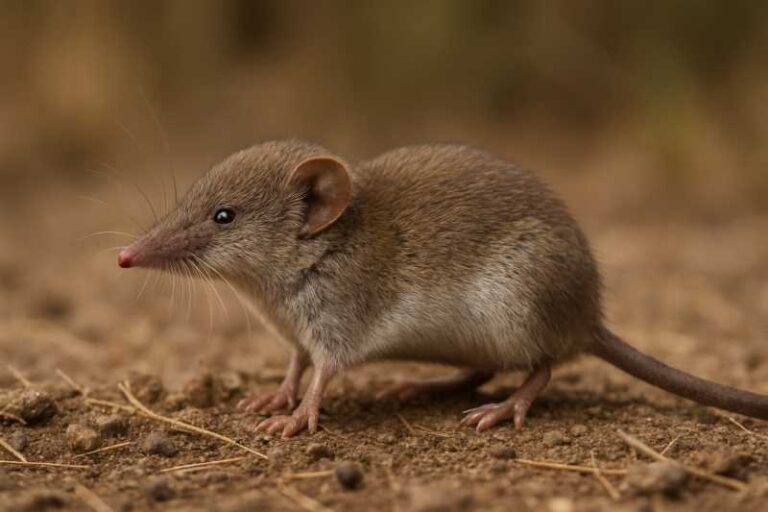
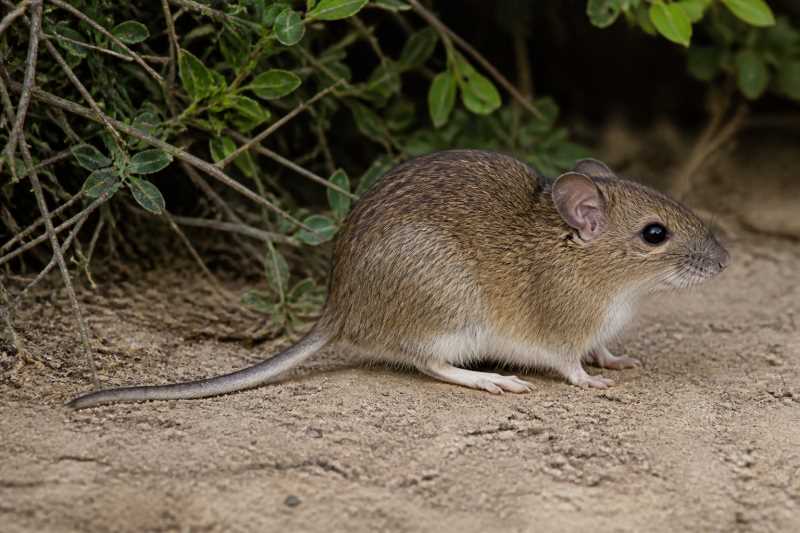
The Groove-toothed Cotton Rat is medium-sized, with a robust body and a length ranging from 20 to 30 centimeters, including the tail. Its fur is typically coarse, with a mix of brown and gray shades that provide effective camouflage in its natural habitat. One of the distinguishing features of this species is its grooved incisors, which are not only crucial for its diet but also give the species its name. These grooves are visible upon close examination and are a key identification feature.
Range and Habitat
Sigmodon alstoni is predominantly found in the humid and subtropical regions of Central and South America. Its range extends from southern Mexico through Central America, reaching parts of northern South America. The Groove-toothed Cotton Rat thrives in a variety of habitats, including grasslands, marshes, and agricultural fields. It is particularly fond of areas with dense vegetation that offers ample cover from predators.
Behavior and Diet
This cotton rat is primarily nocturnal, although it can sometimes be active during the day. It is a solitary animal, coming together only during mating seasons. The Groove-toothed Cotton Rat is an herbivore, with a diet that consists mostly of grasses, seeds, and agricultural crops such as corn and sugarcane. Its feeding habits make it both a helper and a hindrance to humans, as it aids in seed dispersal but can also damage crops.
Identification Tips (field recognition cues)
When trying to identify a Groove-toothed Cotton Rat in the field, look for the following cues:
- Size and Shape: Medium-sized rodent with a stocky build.
- Fur: Coarse fur with a mix of brown and gray.
- Tail: Relatively short and covered with sparse hair.
- Teeth: Look for the distinctive grooved incisors.
- Behavior: Often found in dense vegetation and may be seen during twilight hours.
Conservation Status (with threats and protections)
Currently, the Groove-toothed Cotton Rat is listed as Least Concern by the IUCN. However, it faces threats from habitat destruction due to agricultural expansion and urban development. Conservation efforts are focused on protecting its natural habitats and mitigating human-wildlife conflict through sustainable farming practices.
Frequently Asked Questions
1. What do Groove-toothed Cotton Rats eat? Groove-toothed Cotton Rats primarily feed on grasses, seeds, and agricultural crops such as corn and sugarcane.
2. Where can you find Groove-toothed Cotton Rats? They are found in Central and South America, particularly in humid and subtropical regions with dense vegetation.
3. How can you identify a Groove-toothed Cotton Rat? Look for a medium-sized rodent with grooved incisors, coarse brown and gray fur, and a relatively short tail.
4. Are Groove-toothed Cotton Rats endangered? Currently, they are classified as Least Concern, but they face habitat destruction threats.
5. What is the role of Groove-toothed Cotton Rats in the ecosystem? They play a crucial role in seed dispersal and as prey for various predators, maintaining ecological balance.
Related posts