Allen’s Cotton Rat (Sigmodon alleni): A Comprehensive Overview
Introduction
The Allen’s Cotton Rat, scientifically known as Sigmodon alleni, is an intriguing species belonging to the family Cricetidae. This small mammal is part of the cotton rat genus, which is primarily distributed across the Americas. Allen’s Cotton Rat is of significant ecological importance, serving as a prey species for various predators and playing a role in the seed dispersal of certain plants. In this article, we delve deep into the characteristics, habitats, behaviors, and conservation status of this fascinating rodent.
Physical Description
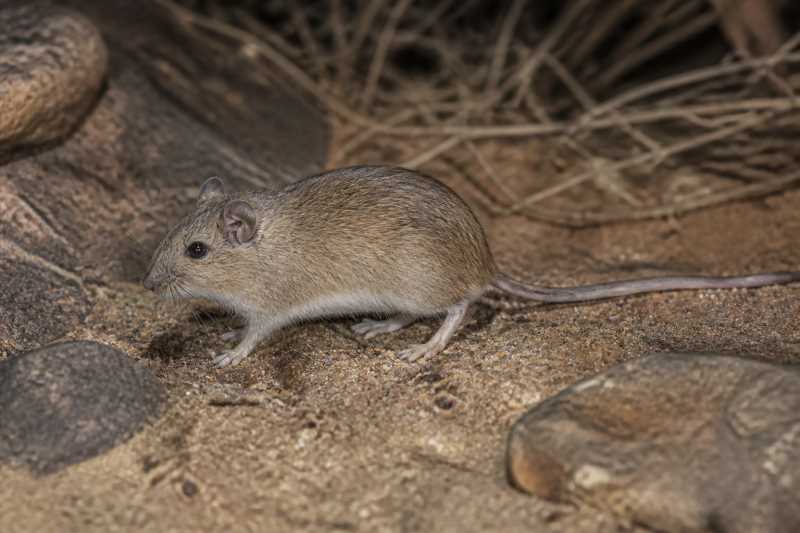
Allen’s Cotton Rat is a medium-sized rodent with distinct physical features that make it identifiable within its natural habitat. Typically, this species displays a robust body covered with coarse fur that is generally a mixture of brown and gray. The fur serves as excellent camouflage among the grasses and underbrush of its environment.
Adult Allen’s Cotton Rats measure approximately 18 to 24 centimeters (7 to 9.5 inches) in total length, including a tail that accounts for half of its body length. The tail is scaly and sparsely haired, which is characteristic of the cotton rat genus. The rat’s ears are small and rounded, while its eyes are relatively large, aiding its nocturnal lifestyle.
The limbs of Allen’s Cotton Rat are short but strong, allowing it to navigate swiftly through dense vegetation. Its feet are equipped with sharp claws, which are beneficial for digging and foraging activities.
Range and Habitat
Allen’s Cotton Rat is predominantly found in the southwestern regions of the United States and extends into Mexico. Its range includes areas such as Arizona, New Mexico, and parts of Texas, as well as the northern states of Mexico. The species thrives in habitats that offer ample cover and food sources, such as grasslands, shrublands, and agricultural fields.
This rodent is highly adaptable and can be found in both natural and disturbed habitats. It often inhabits areas with dense vegetation, which provides protection from predators and harsh weather conditions. The presence of water sources, like rivers or ponds, is also a common feature of its preferred habitats.
Behavior and Diet
Allen’s Cotton Rat is primarily nocturnal, which means it is most active during the night. During the day, it typically remains hidden in its burrow or under dense vegetation to avoid predators. The species is known for its social behavior, often living in colonies or small groups that can consist of several individuals.
The diet of Allen’s Cotton Rat is largely herbivorous, consisting mainly of grasses, seeds, and stems. However, it is also known to consume insects and other small invertebrates when plant food is scarce. This opportunistic feeding behavior helps the species survive in diverse environments.
The rat’s foraging activities contribute to seed dispersal, making it an essential player in its ecosystem. By spreading seeds through its droppings, Allen’s Cotton Rat aids in the propagation of various plant species.
Identification Tips (Field Recognition Cues)
Identifying Allen’s Cotton Rat in the field requires attention to several key characteristics:
- Size and Shape: Medium-sized rodent with a total length of 18-24 cm, including a long, scaly tail.
- Fur Coloration: Coarse fur with a mix of brown and gray, providing camouflage in grassy environments.
- Ears and Eyes: Small, rounded ears and relatively large eyes, typical of nocturnal mammals.
- Tail: Long and sparsely haired, with visible scales.
- Behavior: Look for signs of social behavior and activity during dawn or dusk when they may emerge from hiding.
Conservation Status (With Threats and Protections)
Currently, Allen’s Cotton Rat is not listed as a threatened species on the IUCN Red List. However, its populations face several threats that could impact its conservation status in the future. These threats include habitat loss due to agricultural expansion, urban development, and environmental pollution.
Predation by domestic and feral animals, such as cats and dogs, also poses a significant threat to its populations. Moreover, as a species inhabiting both natural and agricultural landscapes, it may be subject to pesticide exposure.
Conservation efforts for Allen’s Cotton Rat involve habitat preservation and management strategies. Protecting grassland and shrubland environments is crucial for maintaining healthy populations. Efforts to reduce pesticide use and manage predator populations can also aid in its conservation.
Frequently Asked Questions
What is the typical lifespan of Allen’s Cotton Rat?
Allen’s Cotton Rat typically lives for about one to two years in the wild. Its lifespan can be influenced by factors such as predation, availability of resources, and environmental conditions.
How does Allen’s Cotton Rat contribute to its ecosystem?
The species plays a crucial role in seed dispersal and serves as a prey species for various predators, thus maintaining ecological balance.
Are Allen’s Cotton Rats dangerous to humans?
Allen’s Cotton Rats are generally not dangerous to humans. They are shy creatures that avoid human contact and do not pose significant health risks.
What are the main predators of Allen’s Cotton Rat?
Predators include birds of prey, snakes, and mammals such as foxes and coyotes. Domestic cats and dogs can also be significant threats, especially in areas near human habitation.
How can I help in conserving Allen’s Cotton Rat?
Supporting habitat conservation initiatives and promoting the use of environmentally friendly agricultural practices can help protect Allen’s Cotton Rat populations.
By understanding and promoting awareness of Allen’s Cotton Rat, we can contribute to the conservation of this vital species and ensure its role in maintaining healthy ecosystems.
Related posts