Introduction
The Montane Cotton Rat, scientifically known as Sigmodon zanjonensis, is a fascinating species belonging to the family Cricetidae. This small mammal is an integral part of its ecosystem, contributing to the ecological balance through its role in food chains and habitat maintenance. As its name suggests, the Montane Cotton Rat primarily inhabits montane regions, setting it apart from its lowland relatives.
Despite its importance, the Montane Cotton Rat remains relatively obscure, often overshadowed by more charismatic mammals. However, understanding this species is crucial for conservation efforts and the preservation of biodiversity in montane ecosystems.
Physical Description
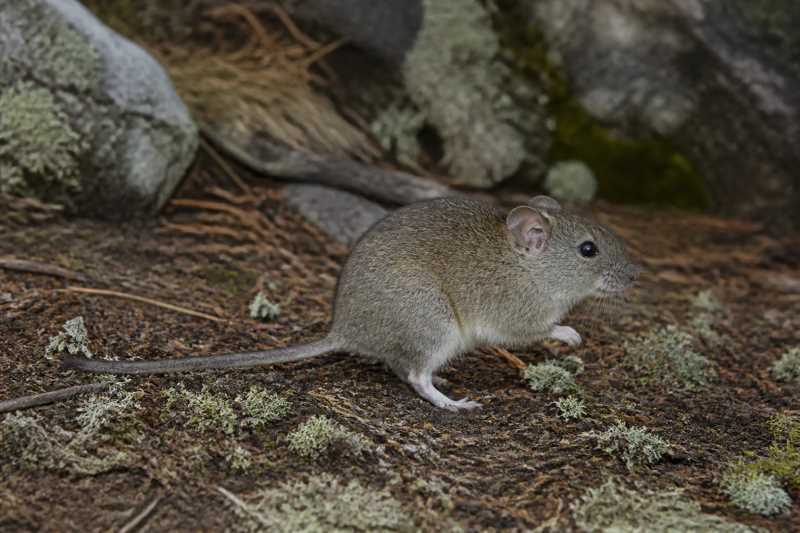
The Montane Cotton Rat is a medium-sized rodent, with an average body length ranging from 150 to 200 millimeters. Its tail, slightly shorter than its body, measures between 100 and 150 millimeters. This species typically weighs between 80 to 150 grams, with males being slightly larger than females.
The fur of the Montane Cotton Rat is dense and soft, providing insulation against the cooler temperatures of its montane habitat. Its coloration varies from grayish-brown to dark brown, with a paler underside. The fur is often interspersed with longer guard hairs, giving it a slightly shaggy appearance.
Montane Cotton Rats possess short, rounded ears that are partially hidden within their fur, and their eyes are relatively small. Their dental structure is adapted for gnawing, with ever-growing incisors that are a characteristic feature of rodents.
Range and Habitat
The Montane Cotton Rat is primarily found in montane regions across its range. These areas are characterized by cooler temperatures and higher elevations compared to lowland regions. The species is often associated with grassy areas, shrublands, and open woodlands within these montane environments.
Geographically, the Montane Cotton Rat’s range is limited to specific montane areas, making it a species of interest for biogeographers and conservationists. Its habitat preferences make it reliant on the unique conditions found in montane ecosystems, including specific plant communities and microclimates.
Behavior and Diet
Montane Cotton Rats are primarily herbivorous, feeding on a variety of plant materials such as grasses, seeds, and occasionally fruits. Their diet may vary seasonally, depending on the availability of food sources within their habitat. These rodents are known for their role in seed dispersal, contributing to plant community dynamics.
Behaviorally, Montane Cotton Rats are mainly nocturnal, although they can be active during the day, particularly in cooler weather. They are social animals, often forming small family groups. Their burrowing habits create complex tunnel systems that provide shelter and protection from predators.
Identification Tips (Field Recognition Cues)
Identifying the Montane Cotton Rat in the field requires attention to several key characteristics:
- Fur Color and Texture: Look for the distinctive grayish-brown to dark brown fur with a paler underside and the presence of longer guard hairs.
- Size and Proportions: Note the medium size, with a body length of 150 to 200 mm and a tail slightly shorter than the body.
- Behavioral Cues: Observe activity patterns, especially the tendency for nocturnal activity and burrowing behavior.
- Habitat: Confirm the presence of montane habitat, as this species is closely tied to these environments.
Conservation Status (With Threats and Protections)
The conservation status of the Montane Cotton Rat is currently of concern due to its limited range and specialized habitat requirements. Habitat destruction and fragmentation, particularly due to agricultural expansion and urbanization, pose significant threats to this species.
Climate change also presents a potential threat, as it may alter the montane environments that the Montane Cotton Rat relies on. Changes in temperature and precipitation patterns could impact the availability of food and suitable habitats.
Conservation efforts for the Montane Cotton Rat include habitat protection and restoration initiatives. Maintaining the integrity of montane ecosystems is crucial for the survival of this species. Additionally, further research is needed to better understand its ecology and inform conservation strategies.
Frequently Asked Questions
Why is this species unique?
The Montane Cotton Rat is unique due to its adaptation to montane environments, distinguishing it from other cotton rat species. Its ecological role as a seed disperser and its specialized habitat preferences make it an important component of montane ecosystems.
What are the main threats to its survival?
The main threats to the Montane Cotton Rat include habitat destruction and fragmentation, primarily from human activities such as agriculture and urban development. Climate change also poses a risk by potentially altering the montane habitats essential for its survival.
How can we help conserve the Montane Cotton Rat?
Conserving the Montane Cotton Rat involves protecting and restoring its montane habitat. Supporting conservation organizations and initiatives focused on montane ecosystems can aid in safeguarding this species. Additionally, raising awareness about its ecological importance can help garner support for conservation efforts.
What is the Montane Cotton Rat’s role in the ecosystem?
Montane Cotton Rats play a crucial role in their ecosystem as seed dispersers, aiding in the propagation of plant species. Their burrowing habits also contribute to soil aeration and nutrient cycling, enhancing the health of montane environments.
Are Montane Cotton Rats dangerous to humans?
Montane Cotton Rats are generally not dangerous to humans. They are shy, nocturnal creatures that avoid contact with people. However, like all wild rodents, they should not be handled without proper precautions due to the potential for disease transmission.
Related posts