Introduction
The Hastings River Mouse (Pseudomys oralis) is a rare rodent species native to Australia. It is a significant member of the Australian native fauna, classified within the family Muridae. Named after the Hastings River in New South Wales, this species is recognized for its unique ecological role and its status as an indicator of environmental health. The Hastings River Mouse is considered vulnerable, and concerted conservation efforts are required to ensure its survival.
Physical Description
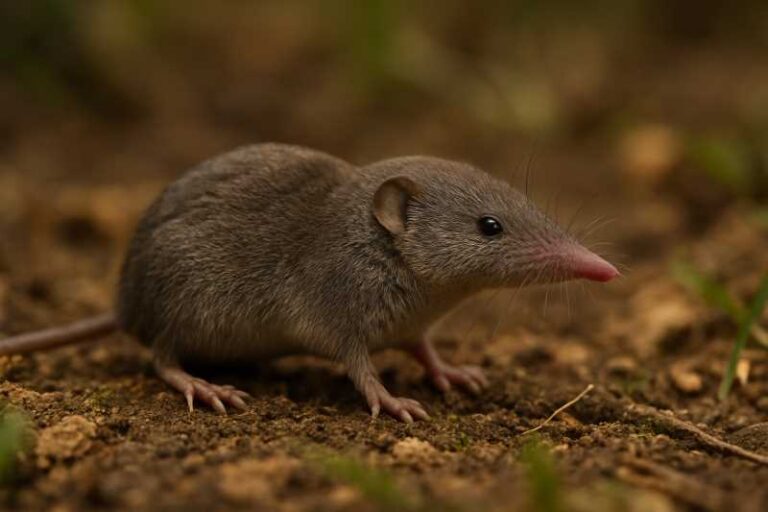
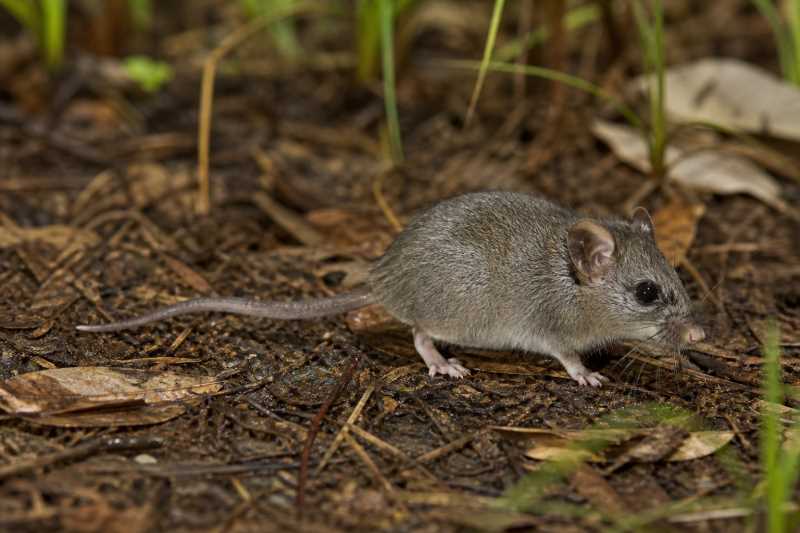
The Hastings River Mouse is a medium-sized rodent with a body length ranging from 9 to 13 centimeters, excluding its tail, which adds another 10 to 14 centimeters. The mouse’s fur is soft and dense, predominantly a grey-brown color on its dorsal side, with a paler, cream underside. Its eyes are large and prominent, adapted for low-light conditions, and its ears are rounded and relatively small. The tail is sparsely furred and distinctly bi-colored, with a darker upper side and a lighter underside, aiding in balance and navigation through its habitat.
Range and Habitat
The Hastings River Mouse is endemic to eastern Australia, primarily found within the states of New South Wales and Queensland. Its habitat is fragmented and typically includes areas of eucalypt forest and woodland, often in proximity to water sources such as rivers and streams. These environments provide the dense ground cover necessary for protection against predators and the availability of food resources. The mouse often favors areas with a thick understory and abundant leaf litter, which offer shelter and foraging opportunities.
Behavior and Diet
The Hastings River Mouse is primarily nocturnal, engaging in most of its activities under the cover of darkness. It is a terrestrial forager, feeding on a varied diet that includes seeds, fruits, and insects. This diet is reflective of its adaptability to seasonal changes in food availability within its habitat. The mouse constructs nests in burrows or dense vegetation, providing safety from predators and harsh weather conditions. Social behavior is not extensively documented, but the Hastings River Mouse is generally solitary, except during the breeding season.
Identification Tips (Field Recognition Cues)
Identifying the Hastings River Mouse in the field requires attention to several key features. Look for a rodent with a distinctive bi-colored tail, soft grey-brown fur, and a paler underbelly. Its size, slightly larger than many other Pseudomys species, and its preference for dense, forested environments near water are also critical identification cues. Observers should note the habitat type and the presence of food sources, such as seeds and fruits, which may suggest the mouse’s presence.
Conservation Status (With Threats and Protections)
The Hastings River Mouse is listed as a vulnerable species under the Australian Environment Protection and Biodiversity Conservation Act 1999. Its population is threatened by habitat fragmentation, predation by introduced species such as cats and foxes, and environmental changes, including bushfires and land clearing. Conservation efforts focus on habitat restoration, predator control, and ongoing population monitoring. Protected areas and reserves are critical to the mouse’s survival, providing refuges where it can thrive without the immediate pressures of habitat destruction and predation.
Frequently Asked Questions
Why is this species unique?
The Hastings River Mouse is unique due to its limited distribution and specific habitat requirements. Its role as an ecological indicator species makes it vital for understanding the health of its environment. The presence of the Hastings River Mouse often signifies a well-preserved ecosystem, indicating that conservation efforts for this species can have broader ecological benefits.
What are the main threats to its survival?
The main threats to the Hastings River Mouse include habitat destruction due to land development and agriculture, predation by invasive species such as feral cats and foxes, and environmental changes like bushfires. These threats have led to significant population declines, necessitating targeted conservation strategies to ensure the species’ survival.
How can conservation efforts be improved?
Conservation efforts for the Hastings River Mouse can be improved through increased habitat restoration projects, more comprehensive predator control programs, and enhanced public awareness campaigns to reduce human-induced threats. Collaboration between government agencies, conservation organizations, and local communities is essential to strengthen these efforts.
Where can I see the Hastings River Mouse in the wild?
The Hastings River Mouse can be observed in select protected areas within its natural range in New South Wales and Queensland. National parks and nature reserves with eucalypt forests and dense undergrowth near water sources often provide suitable habitats for this elusive rodent. However, spotting them requires patience and a keen eye, as they are nocturnal and shy by nature.
What role does it play in the ecosystem?
As a native rodent species, the Hastings River Mouse plays a crucial role in seed dispersal and soil aeration through its foraging activities. By feeding on various seeds and fruits, it contributes to the regeneration of plant communities, helping maintain the ecological balance within its habitat. Its presence also indicates a healthy ecosystem, making it an important species for ecological monitoring.
Related posts