Coues’s Marsh Rice Rat (Oryzomys couesi): An In-depth Look
Introduction
Coues’s Marsh Rice Rat (Oryzomys couesi) is a fascinating mammal species that has piqued the interest of both researchers and nature enthusiasts. This small rodent, which belongs to the family Cricetidae, is native to the Americas and is known for its adaptability to various wetland environments. With a name honoring the American naturalist Elliott Coues, this species provides significant insights into the ecological roles that small mammals play in their habitats. In this article, we delve into the physical characteristics, habitats, behaviors, and conservation efforts surrounding Coues’s Marsh Rice Rat.
Physical Description
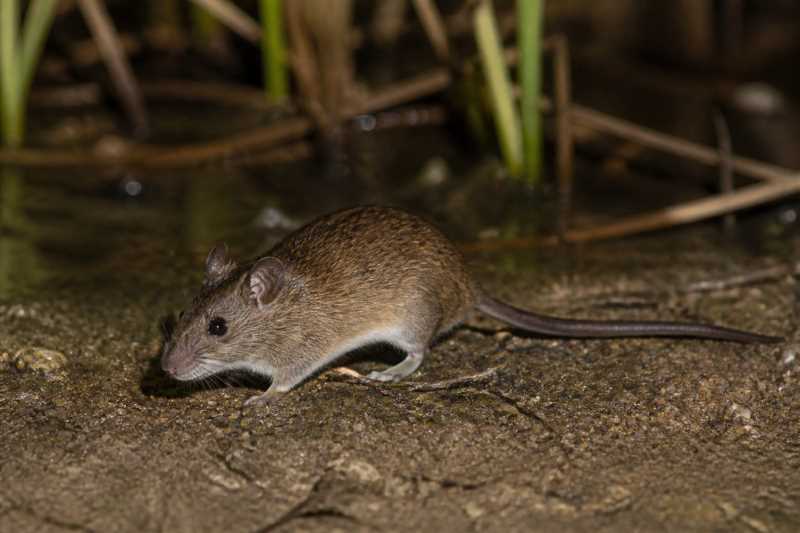
Coues’s Marsh Rice Rat is a medium-sized rodent characterized by its sleek, semi-aquatic physique. Adults typically measure 18 to 22 centimeters in total length, with a tail that is nearly as long as the body, ranging from 8 to 11 centimeters. The rat’s weight varies between 40 to 80 grams, depending on its age and environmental conditions. Its fur is a distinctive gray-brown on the dorsal side, providing excellent camouflage in marshy surroundings, while the ventral side is a lighter, whitish hue.
The rat’s head is equipped with small, rounded ears and sharp, beady eyes, giving it a keen sense of hearing and sight. Its whiskers are long and sensitive, aiding in navigation through dense vegetation and murky waters. The feet of Oryzomys couesi are partially webbed, an adaptation that facilitates swimming, making it an adept swimmer in its aquatic habitats.
Range and Habitat
Oryzomys couesi is primarily found in the wetlands of Central America, with its range extending from southern Texas in the United States through Mexico, and down to Central American countries such as Belize, Guatemala, and Honduras. This distribution underscores its adaptability to a wide range of wetland environments, including marshes, swamps, and riverbanks.
The species thrives in areas with dense vegetation, which provides both food sources and protection from predators. Its preference for wetlands is driven by the abundance of resources such as water, food, and cover. However, Coues’s Marsh Rice Rat can also inhabit agricultural lands and disturbed areas, showcasing its resilience and adaptability to human-altered landscapes.
Behavior and Diet
Coues’s Marsh Rice Rat is primarily nocturnal, engaging in most of its activities under the cover of darkness to avoid predators. Its behavior is characterized by a high level of activity and curiosity, often exploring its environment in search of food. The rat is an omnivore, with a diet comprising seeds, fruits, insects, and small aquatic animals. This diverse diet enables it to exploit various food sources, contributing to its survival in diverse habitats.
The species is known for its solitary nature, although it may be observed in small groups during mating seasons or in areas with abundant food resources. Communication among individuals is facilitated through vocalizations and scent markings, which play crucial roles in territorial and mating behaviors.
Identification Tips (Field Recognition Cues)
Identifying Coues’s Marsh Rice Rat in the field requires attention to specific features and behaviors:
- Size and Shape: Look for a medium-sized rodent with a long tail, making up almost half of its total body length.
- Coloration: Note the gray-brown dorsal fur and lighter ventral fur, which is a key characteristic.
- Habitat: Search near wetland areas with dense vegetation – the preferred habitat of this species.
- Behavior: Observe its nocturnal activity patterns and swimming ability, indicative of its semi-aquatic lifestyle.
- Sounds: Listen for soft squeaks and rustling noises at night, common signs of its presence.
Conservation Status (With Threats and Protections)
The conservation status of Coues’s Marsh Rice Rat varies across its range, but it is generally considered to be of Least Concern by the International Union for Conservation of Nature (IUCN). However, this status does not imply that the species is free from threats. Habitat destruction due to agricultural expansion, urban development, and climate change poses significant risks to its populations.
Protections for Coues’s Marsh Rice Rat involve preserving wetland habitats and implementing sustainable land-use practices. Conservation efforts also focus on research and monitoring to better understand population dynamics and ecological requirements. Public awareness campaigns and policy interventions are crucial for ensuring the long-term survival of this adaptable yet vulnerable species.
Frequently Asked Questions
What do Coues’s Marsh Rice Rats eat?
Coues’s Marsh Rice Rats are omnivores, feeding on a variety of foods including seeds, fruits, insects, and small aquatic creatures. This varied diet supports their adaptability to different environments.
Where can I find Coues’s Marsh Rice Rat?
These rats are predominantly found in Central American wetlands. They inhabit marshes, swamps, and riverbanks, as well as agricultural lands where they can find food and cover.
How does Coues’s Marsh Rice Rat adapt to its environment?
Adaptations such as semi-aquatic features, including partially webbed feet and strong swimming abilities, help them thrive in wetland environments. Their keen senses and nocturnal habits protect them from predators.
Are Coues’s Marsh Rice Rats endangered?
Currently, Coues’s Marsh Rice Rats are classified as Least Concern by the IUCN. However, habitat destruction remains a threat, necessitating continued conservation efforts.
How can I identify Coues’s Marsh Rice Rat in the wild?
Look for medium-sized rodents with gray-brown fur, long tails, and a preference for wetland habitats. They are more active at night, making nocturnal observation ideal.
Related posts