Introduction
The Kyrgyzstan Horseshoe Bat (Rhinolophus kirghisorum) is a fascinating species of bat known for its unique echolocation abilities and distinct horseshoe-shaped noseleaf. This species is part of the Rhinolophidae family and is primarily found in the mountainous regions of Central Asia, particularly within Kyrgyzstan. Renowned for its crucial role in the ecosystem as a pest controller, the Kyrgyzstan Horseshoe Bat is an integral component of its habitat.
Physical Description
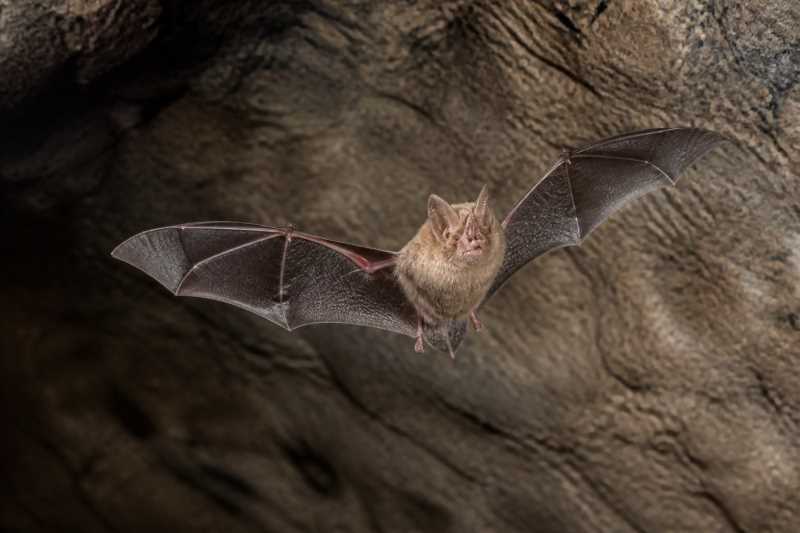
The Kyrgyzstan Horseshoe Bat is a small to medium-sized bat characterized by its distinctive noseleaf, which resembles a horseshoe. This feature is crucial for its echolocation, allowing it to navigate and hunt efficiently in the dark. The bat’s fur is typically a mixture of brown and gray, providing excellent camouflage against the rocky and forested environments it inhabits. Adult bats have a wingspan ranging from 25 to 30 centimeters and weigh between 8 to 10 grams. Their ears are large and rounded, enhancing their ability to perceive sound waves.
Range and Habitat
Rhinolophus kirghisorum is predominantly found in Kyrgyzstan, although its range may extend into neighboring regions. It thrives in mountainous areas, particularly those with abundant caves and rocky crevices, which provide essential roosting sites. The bat is also known to inhabit forested areas and can occasionally be found in man-made structures, such as abandoned buildings, which offer alternative roosting options.
Behavior and Diet
The Kyrgyzstan Horseshoe Bat is nocturnal, emerging at dusk to hunt for insects, which form the bulk of its diet. Utilizing its sophisticated echolocation system, the bat can identify and capture prey with remarkable precision. Its diet primarily consists of moths, beetles, and other small flying insects. Social by nature, these bats often roost in colonies that can vary in size from a few individuals to several hundred.
Identification Tips (Field Recognition Cues)
When attempting to identify the Kyrgyzstan Horseshoe Bat in the field, observers should look for its characteristic horseshoe-shaped noseleaf and listen for its unique echolocation calls, which are of a specific frequency range distinct to the species. Observing their flight patterns can also aid in identification, as they exhibit agile and rapid movements typical of insectivorous bats.
Conservation Status (With Threats and Protections)
The conservation status of the Kyrgyzstan Horseshoe Bat is currently listed as Near Threatened, largely due to habitat destruction and disturbance of roosting sites. The expansion of agricultural activities and urban development pose significant threats to their natural habitats. Conservation efforts are underway to protect critical roosting sites and maintain the ecological balance by controlling insect populations naturally. Legal protections and habitat restoration initiatives are vital for the ongoing survival of this species.
Frequently Asked Questions
Why is this species unique?
The Kyrgyzstan Horseshoe Bat is unique due to its specialized echolocation abilities and the distinct horseshoe-shaped noseleaf, which are key adaptations that allow for precise navigation and hunting in its mountainous habitat.
What role does this bat play in the ecosystem?
As insectivores, Kyrgyzstan Horseshoe Bats play a critical role in controlling insect populations, which helps maintain ecological balance and supports agricultural productivity by reducing pest numbers naturally.
How can we help in conserving this species?
Supporting habitat conservation efforts, advocating for legal protections, and promoting awareness about the importance of bats in ecosystems are all effective ways to contribute to the conservation of the Kyrgyzstan Horseshoe Bat.
What are the main threats to their survival?
The primary threats to the Kyrgyzstan Horseshoe Bat include habitat destruction due to agricultural expansion, urban development, and human disturbance of roosting sites, which can lead to population declines.
Related posts