Mexican Marsh Rice Rat (Oryzomys mexicanus)
Introduction
The Mexican Marsh Rice Rat, scientifically known as Oryzomys mexicanus, is a small rodent species belonging to the Cricetidae family. This elusive and fascinating mammal is native to the marshy regions of Mexico, where it plays a significant role in the local ecosystem. Despite its relative obscurity in the larger zoological narrative, the Mexican Marsh Rice Rat is a species of considerable ecological interest and importance. This article delves into the various aspects of the Mexican Marsh Rice Rat, from its physical characteristics and habitat to its behavior, diet, and conservation status.
Physical Description
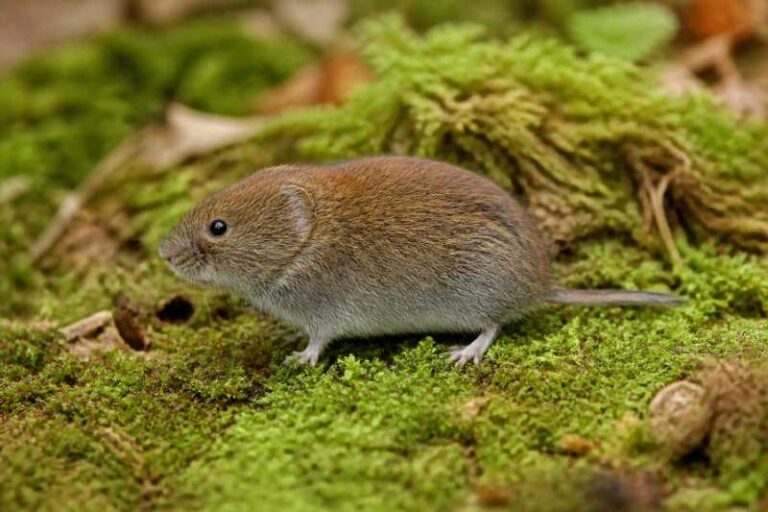
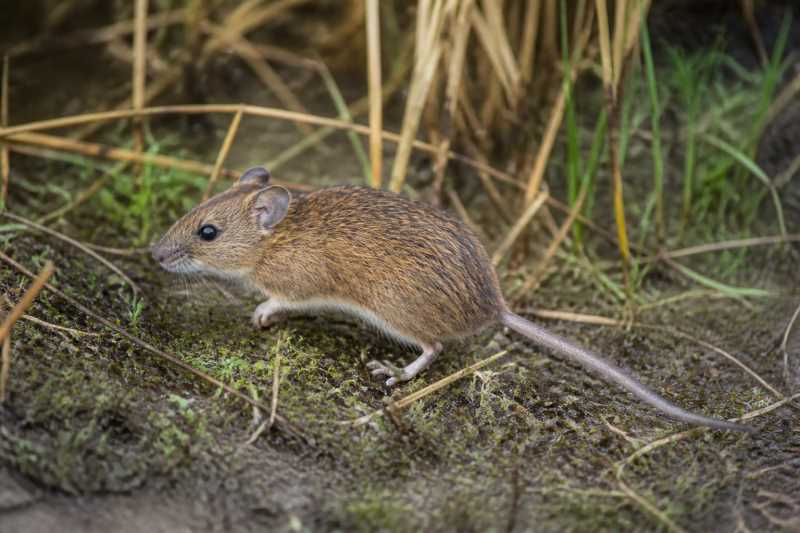
The Mexican Marsh Rice Rat is a medium-sized rodent, with adults typically weighing between 30 to 60 grams and measuring about 20 to 30 centimeters in total length, including the tail. Its fur is generally dense and soft, with a coloration that ranges from grayish-brown on the dorsal side to a paler, more whitish hue on the ventral side. The tail is relatively long and sparsely furred, often matching or slightly exceeding the length of the body itself.
The species is characterized by its small, rounded ears and a pointed snout, which are adaptations for its marshy habitat. Its feet are moderately webbed, aiding in swimming, which is a notable aspect of its lifestyle. The Mexican Marsh Rice Rat’s eyes are large and adapted for nocturnal activity, providing excellent night vision.
Range and Habitat
The Mexican Marsh Rice Rat is primarily found in the wetlands and marshes of Mexico, with its range extending from the coastal regions to the inland marshes. The species thrives in environments that offer abundant water and dense vegetation, which provide both food resources and shelter from predators.
Habitats are primarily located in lowland areas, though the rat can occasionally be found in upland marshes. The presence of water bodies such as ponds, lakes, and slow-moving streams is crucial for the existence of this species, as they rely heavily on aquatic and semi-aquatic habitats for survival. The dense vegetation found in these areas not only provides cover but also serves as a rich source of food.
Behavior and Diet
The Mexican Marsh Rice Rat is primarily nocturnal, with most of its activity occurring during the night. This nocturnal lifestyle helps the rat avoid many predators and the heat of the day, which is particularly advantageous in its warm, humid habitat.
In terms of diet, the Mexican Marsh Rice Rat is an omnivore. It feeds on a variety of plant materials, seeds, and small aquatic organisms such as insects and crustaceans. The diet may change seasonally, depending on the availability of food resources. The rat’s adaptability in diet is one of the reasons for its resilience in diverse habitats.
The species is known for its solitary nature, although it may occasionally be seen in small groups, particularly during the breeding season. Communication between individuals is achieved through vocalizations, scent markings, and physical gestures.
Identification Tips
Field recognition of the Mexican Marsh Rice Rat can be quite challenging due to its elusive nature and the similarity of its appearance to other small rodents. However, some key identification tips can aid in its detection:
- Tail Length and Coloration: The tail is generally as long as or longer than the body, with a dark upper side and a lighter underside.
- Fur Texture and Color: Look for the dense, soft fur that is grayish-brown dorsally and paler ventrally.
- Ear and Eye Size: Note the small, rounded ears and large eyes, which are adaptations for its nocturnal lifestyle.
- Habitat Association: Observing in marshy, wetland habitats can increase the likelihood of encountering this species.
Conservation Status
The conservation status of the Mexican Marsh Rice Rat is currently not well-defined due to limited data. However, it is believed to be under pressure from habitat loss and degradation. The primary threats to its habitat include agricultural expansion, urban development, and pollution, which lead to the destruction of wetland areas.
Conservation efforts are needed to protect these critical habitats, which are not only vital for the Mexican Marsh Rice Rat but also support a diverse array of wildlife. Wetland preservation and restoration are key strategies for ensuring the survival of this species.
Frequently Asked Questions
What does the Mexican Marsh Rice Rat eat?
The Mexican Marsh Rice Rat is an omnivore that primarily feeds on plant materials, seeds, and small aquatic organisms such as insects and crustaceans.
Where can the Mexican Marsh Rice Rat be found?
This species is found in the wetlands and marshes of Mexico, particularly in areas with abundant water and dense vegetation.
How can I identify a Mexican Marsh Rice Rat in the wild?
Look for key features such as a long tail, dense grayish-brown fur, small rounded ears, and large eyes. They are primarily nocturnal and found in marshy habitats.
What are the main threats to the Mexican Marsh Rice Rat?
The primary threats include habitat loss due to agricultural expansion, urban development, and pollution of wetland areas.
Is the Mexican Marsh Rice Rat endangered?
The conservation status is not well-defined, but the species is believed to be at risk due to habitat degradation and loss.
Related posts