Introduction
The Barbary ground squirrel (Atlantoxerus getulus) is a captivating rodent species that inhabits the rocky landscapes of North Africa and the Canary Islands. Known for its playful behavior and striking appearance, this species has garnered significant interest among wildlife enthusiasts and researchers alike. As an integral part of its ecosystem, the Barbary ground squirrel plays a crucial role in seed dispersal and serves as prey for local predators. This article delves deep into the physical characteristics, habitat, behavior, and conservation status of the Barbary ground squirrel, offering insights into its ecological importance and the challenges it faces.
Physical Description
The Barbary ground squirrel is a small to medium-sized rodent characterized by its distinctive markings and agile movements. Adults typically measure between 160 to 230 millimeters in body length, with tails extending an additional 140 to 170 millimeters. Their weight ranges from 250 to 350 grams, making them relatively lightweight and nimble.
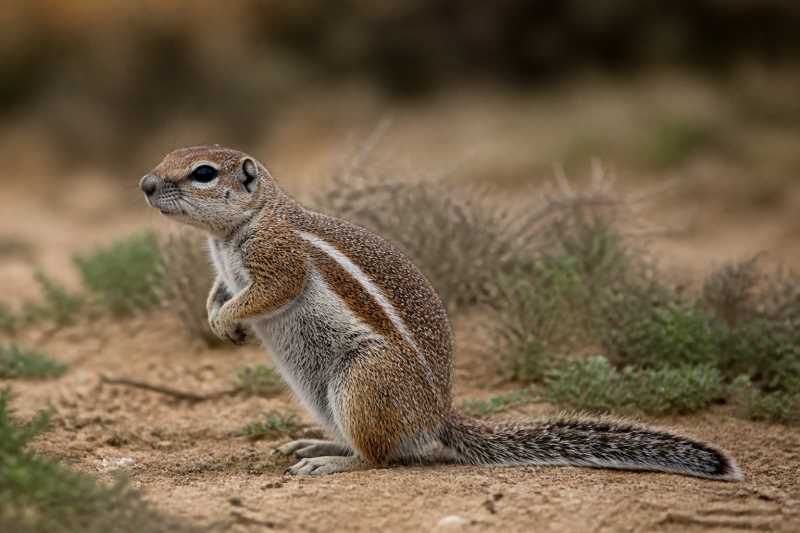
The most striking feature of the Barbary ground squirrel is its coat, which is predominantly grayish-brown with a series of prominent white stripes running along the sides of its body. These stripes aid in camouflage, blending seamlessly with the rocky terrain of their habitat. The fur is dense and soft, providing insulation against the variable temperatures of its environment.
Their face is adorned with small, rounded ears and large, dark eyes that offer excellent vision for detecting predators. The squirrel’s limbs are strong and equipped with sharp claws, perfect for climbing and digging.
Range and Habitat
The natural range of the Barbary ground squirrel spans the arid and semi-arid regions of North Africa, including Morocco, Algeria, and Tunisia. In addition, the species has established a significant presence on the Canary Islands, particularly in Fuerteventura and Lanzarote, where they were introduced in the early 20th century.
These squirrels are highly adaptable, thriving in a variety of habitats from rocky outcrops and scrublands to open woodlands. They prefer areas with ample cover and food sources, often found near cliffs and boulder fields that provide natural shelters and lookout points.
Their ability to adapt to diverse environmental conditions has facilitated their survival in regions with limited water resources. They are often found near human settlements, where they exploit agricultural lands for food, sometimes leading to conflicts with local farmers.
Behavior and Diet
Barbary ground squirrels are diurnal, meaning they are active during the day. They are social creatures, often seen in groups engaging in playful interactions and grooming activities. Their social structure is relatively loose, with individuals frequently changing group associations.
During the hottest parts of the day, they retreat to the shade or their burrows to avoid overheating. These burrows, dug into the ground or amongst rocks, serve as safe havens from predators and harsh weather conditions.
The diet of the Barbary ground squirrel is primarily herbivorous, consisting of seeds, fruits, leaves, and stems. They play a key role in seed dispersal, contributing to the regeneration of plant life in their habitat. When food is scarce, they may also consume insects and small vertebrates.
Identification Tips (Field Recognition Cues)
Identifying the Barbary ground squirrel in the field can be accomplished by noting several key features:
- Distinctive White Stripes: Look for the prominent white stripes on either side of the body, running from the shoulder to the base of the tail.
- Size and Shape: Note the small to medium size with a relatively long, bushy tail.
- Habitat Preference: These squirrels are often found in rocky areas, making their homes among boulders and cliffs.
- Behavioral Patterns: Observe their diurnal activity and social behaviors, frequently seen in small groups.
- Vocalizations: Listen for their sharp, chirping calls used to communicate with each other, especially when alarmed.
Conservation Status (With Threats and Protections)
The Barbary ground squirrel is currently classified as "Least Concern" by the International Union for Conservation of Nature (IUCN). However, its populations face several threats that could impact their numbers in the future.
Threats
- Habitat Loss: Urbanization and agricultural expansion have led to habitat fragmentation and loss, reducing available living space for the squirrels.
- Predation: Natural predators such as birds of prey and snakes pose a constant threat, although human-introduced species like domestic cats and dogs have exacerbated this issue.
- Human Conflict: In agricultural areas, squirrels are sometimes considered pests, leading to control measures that can harm their populations.
Protections
Efforts to conserve the Barbary ground squirrel include habitat protection and public education to mitigate human-wildlife conflicts. In the Canary Islands, there are measures to control introduced predators, and conservation groups work to preserve the natural habitats that are crucial for the survival of the species.
Frequently Asked Questions
What is the lifespan of a Barbary ground squirrel?
In the wild, Barbary ground squirrels typically live for about 2 to 3 years, although some individuals may reach up to 5 years with favorable conditions and limited predation pressures.
How do Barbary ground squirrels communicate?
These squirrels use a variety of vocalizations, including chirps and whistles, to communicate with each other. These sounds help convey alarm signals and maintain group cohesion.
Are Barbary ground squirrels dangerous to humans?
Barbary ground squirrels are generally not dangerous to humans. They are shy and tend to avoid direct contact. However, they can be considered agricultural pests in some areas due to their feeding habits.
How do Barbary ground squirrels impact their ecosystem?
As seed dispersers, these squirrels play a vital role in maintaining and regenerating vegetation in their habitat, which in turn supports other wildlife species.
Can Barbary ground squirrels be kept as pets?
While it is possible to keep them as pets, it is generally not recommended due to their specific habitat and social needs, which are challenging to replicate in a home environment.
Related posts