Spy Hocicudo (Oxymycterus delator): A Comprehensive Guide
Introduction
The Spy Hocicudo, scientifically known as Oxymycterus delator, is a captivating mammal species that belongs to the family Cricetidae. This elusive creature, often overshadowed by its more prominent relatives, plays a crucial role in its ecosystem. This article delves into the many facets of the Spy Hocicudo, from its physical description to its behavioral patterns, habitat, and conservation status.
Physical Description
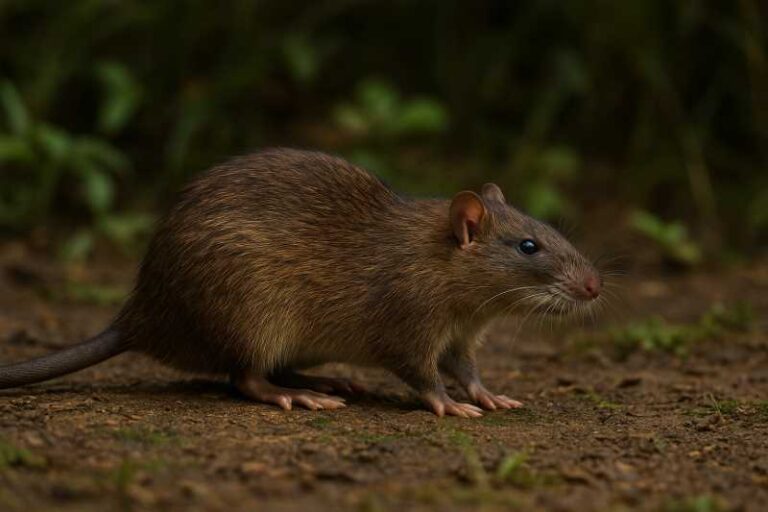
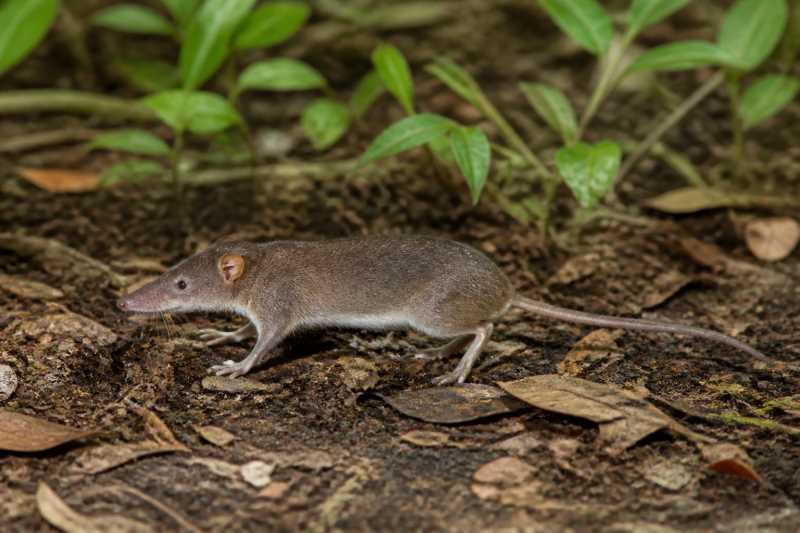
The Spy Hocicudo is a small rodent with a distinctive appearance that aids in its identification in the wild. Adult Hocicudos typically measure between 18 to 25 centimeters in length, including their tails, which account for nearly half of their total length. Their weight ranges from 30 to 50 grams, making them a lightweight yet agile mammal.
Their fur is a notable feature, characterized by a dense and soft texture. The coloration is predominantly a mix of brown and gray, providing excellent camouflage against the forest floor. The underbelly is usually lighter, ranging from white to a pale gray. Spy Hocicudos have elongated snouts and small, rounded ears that are often concealed within their fur. Their eyes are relatively small, which is typical for species that rely more on smell and hearing than vision.
Range and Habitat
The Spy Hocicudo is native to South America, with its range primarily concentrated in the forested regions of Brazil. They inhabit a variety of environments, from dense tropical rainforests to semi-deciduous forests and shrublands. These mammals are particularly fond of moist environments where they can find ample cover and foraging opportunities.
Habitats are chosen based on the availability of food resources and shelter. They are often found in areas with abundant leaf litter and undergrowth, which provide both protection from predators and a rich source of invertebrates. The Spy Hocicudo is adept at burrowing and often creates intricate tunnel systems to navigate its habitat safely.
Behavior and Diet
Spy Hocicudos are primarily nocturnal animals, engaging in most of their activities under the cover of darkness. This behavior reduces their risk of predation and allows them to exploit the nocturnal abundance of their prey. They are solitary creatures, with individuals maintaining territories that they defend against intruders.
The diet of the Spy Hocicudo is omnivorous, with a preference for insects and other small invertebrates. They are also known to consume seeds, fruits, and occasionally small vertebrates. This varied diet allows them to adapt to seasonal changes in food availability. Their elongated snouts are particularly useful for probing into soil and leaf litter to uncover hidden prey.
Identification Tips (Field Recognition Cues)
Recognizing the Spy Hocicudo in the wild can be challenging due to its elusive nature and effective camouflage. However, there are several cues that can aid in its identification:
- Size and Shape: Look for a small rodent with a long tail, slender body, and elongated snout.
- Fur Coloration: Note the brown-gray fur with a lighter underbelly, ideal for blending into forest environments.
- Activity Patterns: Observe nocturnal activity; Spy Hocicudos are most active during nighttime.
- Tracks and Signs: Look for small burrows and tunnels, as well as tracks in soft soil or leaf litter.
Conservation Status (With Threats and Protections)
The conservation status of the Spy Hocicudo has been a subject of concern due to habitat destruction and fragmentation in its native range. As of the latest assessments, Oxymycterus delator is classified as Near Threatened by the IUCN Red List.
Threats
- Habitat Loss: Deforestation for agriculture and urbanization poses the greatest threat to their habitat.
- Pollution: Chemical runoff from agricultural lands can contaminate their food sources.
- Climate Change: Alterations in weather patterns can impact food availability and habitat conditions.
Protections
Efforts to protect the Spy Hocicudo include:
- Protected Areas: Establishment of national parks and reserves in Brazil to safeguard critical habitats.
- Conservation Programs: Initiatives focused on habitat restoration and promoting sustainable land use practices.
- Research and Monitoring: Ongoing studies to better understand their ecology and population dynamics.
Frequently Asked Questions
What is the natural habitat of the Spy Hocicudo?
The Spy Hocicudo primarily inhabits tropical and semi-deciduous forests in Brazil, favoring areas with dense undergrowth and moist conditions.
Are Spy Hocicudos endangered?
Currently, the Spy Hocicudo is classified as Near Threatened, primarily due to habitat loss and environmental changes affecting its natural range.
What do Spy Hocicudos eat?
Their diet consists of insects, seeds, fruits, and occasionally small vertebrates, reflecting their omnivorous feeding habits.
How can I identify a Spy Hocicudo in the wild?
Look for their distinctive brown-gray fur, long tail, and elongated snout, as well as nocturnal activity patterns and signs like burrows.
What conservation efforts are in place to protect the Spy Hocicudo?
Conservation efforts include the establishment of protected areas, habitat restoration projects, and ongoing ecological research.
Related posts