Introduction
The Durango Deermouse (Peromyscus schmidlyi) is a fascinating species within the diverse genus Peromyscus, which is renowned for its adaptability and widespread presence in North America. Named after Dr. David Schmidly, an esteemed mammalogist, this species has intrigued researchers and naturalists alike due to its unique adaptations and ecological role. This article delves into the physical characteristics, habitat, behavior, and conservation status of this remarkable mammal.
Physical Description
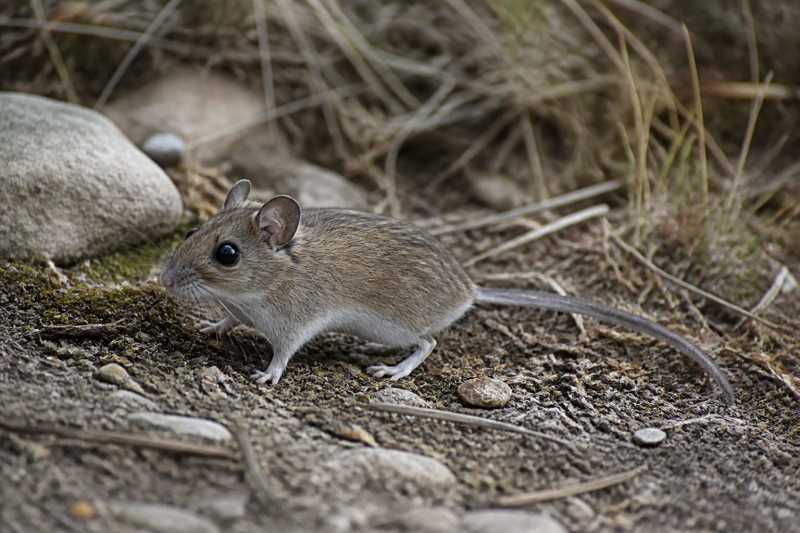
The Durango Deermouse is a small rodent, typically weighing between 20 to 30 grams, with a total length ranging from 170 to 195 mm. Its fur is soft and dense, with a dorsal coloration that varies from grayish-brown to a more reddish hue, allowing it to blend seamlessly into its natural environment. The ventral side is usually lighter, predominantly white or pale gray, providing a striking contrast.
One of the most distinguishing features of the Durango Deermouse is its large, prominent ears, which are well-adapted for detecting predators and navigating its surroundings. Its tail, which is nearly as long as its body, is bicolored and sparsely furred, aiding in balance and agile movement.
Range and Habitat
Peromyscus schmidlyi is endemic to the high-altitude regions of the Sierra Madre Occidental in Mexico, particularly within the state of Durango. This region is characterized by its rugged terrain and diverse ecosystems, ranging from pine-oak forests to more arid scrublands.
The Durango Deermouse thrives in these montane environments, where it can find ample food resources and shelter. Its preference for higher altitudes, often above 2,000 meters, provides a cooler climate and denser vegetation, ideal for avoiding predators and establishing nests.
Behavior and Diet
Like many of its relatives in the Peromyscus genus, the Durango Deermouse is nocturnal, spending the daylight hours hidden in burrows or dense vegetation. It is primarily solitary, with individuals establishing defined territories that they defend from intruders.
The diet of the Durango Deermouse is omnivorous, consisting of seeds, fruits, insects, and small invertebrates. This varied diet not only provides the necessary nutrients for survival but also helps in seed dispersal, playing a crucial role in the ecosystem’s health.
Identification Tips (field recognition cues)
When attempting to identify the Durango Deermouse in the field, several key features can be observed:
- Size and Proportions: Look for a small rodent with a body length of around 90-100 mm and a tail of similar length.
- Fur Coloration: Note the grayish-brown to reddish dorsal fur, contrasting with the white ventral side.
- Ears and Tail: Large ears and a bicolored tail are significant indicators of this species.
- Behavioral Cues: Observing nocturnal activity and solitary behavior can also aid in identification.
Conservation Status (with threats and protections)
The conservation status of Peromyscus schmidlyi is currently classified as "Least Concern" by the International Union for Conservation of Nature (IUCN). However, this does not imply that the species faces no threats. Habitat destruction due to logging and agricultural expansion poses significant risks to its natural environment.
Efforts to protect the Durango Deermouse include the establishment of protected areas within its range and promoting sustainable land-use practices. Continued research and monitoring are essential to ensure that any changes in population dynamics are swiftly addressed.
Frequently Asked Questions
Q1: What is the lifespan of the Durango Deermouse?
A1: In the wild, the Durango Deermouse typically lives for about 1 to 2 years, though this can vary based on environmental conditions and predation pressures.
Q2: How does the Durango Deermouse contribute to its ecosystem?
A2: As an omnivore, the Durango Deermouse plays a vital role in seed dispersal and pest control, maintaining the ecological balance within its habitat.
Q3: Are there any conservation programs specifically for the Durango Deermouse?
A3: While there are no targeted conservation programs solely for this species, efforts to protect its habitat through sustainable practices benefit the Durango Deermouse indirectly.
Q4: How can one differentiate the Durango Deermouse from similar species?
A4: Key distinguishing features include its large ears, bicolored tail, and specific coloration patterns, which differ from other Peromyscus species.
Q5: What are the main threats to the Durango Deermouse?
A5: The primary threats include habitat loss due to deforestation and agricultural development, which can lead to population declines.
Related posts