Introduction
The Northern Rock Deermouse, scientifically known as Peromyscus nasutus, is a fascinating rodent species that inhabits rocky terrains across certain regions of North America. This small mammal is renowned for its adaptability to rugged environments and plays a pivotal role in its ecosystem. Despite its relatively inconspicuous presence, the Northern Rock Deermouse contributes significantly to the ecological balance by aiding in seed dispersal and serving as prey for various predators.
Understanding the Northern Rock Deermouse is crucial for appreciating the intricate web of life that sustains biodiversity in its habitat. This article delves into the details of this unique mammal, exploring its physical characteristics, habitat preferences, behavior, and conservation status.
Physical Description
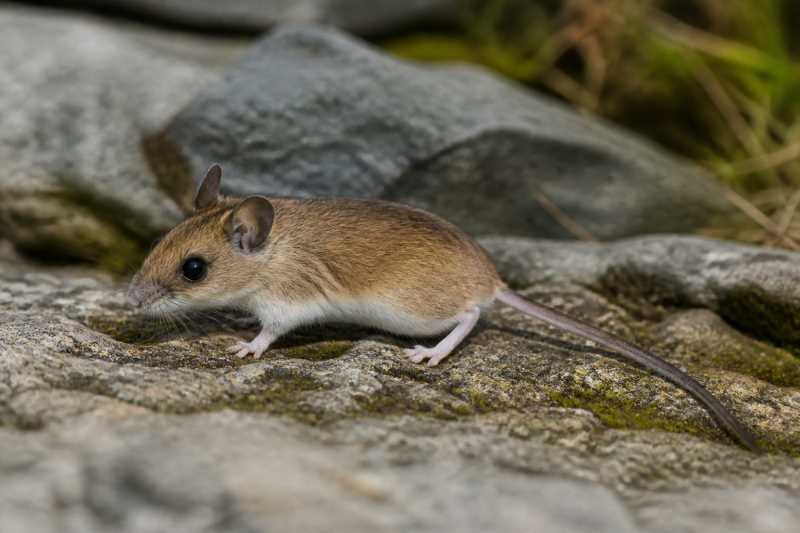
The Northern Rock Deermouse is a small rodent with a distinct appearance that aids in its survival in rocky environments. This deermouse exhibits a coat that ranges in color from grayish-brown to a more muted, sandy hue, providing effective camouflage against the rocky backdrops it often inhabits. The underbelly is typically lighter, often white or cream-colored, contrasting with the darker dorsal fur.
Measuring approximately 18 to 22 centimeters in length, including its tail, the Northern Rock Deermouse is relatively small. Its tail is notably long, often constituting nearly half of its total body length, and is covered with fine hairs which aid in balance and agility. The ears are large and rounded, a characteristic feature that enhances its acute sense of hearing, essential for detecting predators in its environment.
Another distinctive feature is its large, dark eyes, which facilitate nocturnal activity by enhancing its night vision. The deermouse’s hind legs are adapted for jumping, allowing it to navigate rocky terrains with ease and agility.
Range and Habitat
The Northern Rock Deermouse primarily inhabits the southwestern United States, including parts of Arizona, New Mexico, Utah, and Colorado. It is also found in northern Mexico. This species is particularly adapted to arid and semi-arid environments, favoring rocky slopes, cliffs, and canyon areas where it can find ample cover and nesting sites.
These deermice prefer elevations ranging from 1,500 to 3,000 meters, where they can exploit the crevices and rocky outcrops for shelter. They are often found in habitats that feature sparse vegetation interspersed with boulders and rocky substrates, which provide both protection from predators and opportunities for foraging.
Behavior and Diet
The Northern Rock Deermouse is primarily nocturnal, taking advantage of the cooler nighttime temperatures to forage and avoid daytime predators. Its diet is omnivorous, consisting of seeds, nuts, fruits, and insects. This varied diet allows the deermouse to adapt to seasonal changes in food availability.
In terms of behavior, these deermice are solitary and territorial. They establish home ranges that they defend against intruders, marking their territories with scent markings. During the breeding season, which typically occurs in the spring and summer months, they become more social as they seek mates.
The Northern Rock Deermouse is also known for its excellent climbing abilities, which are crucial for accessing food sources and evading predators. Its agility is a key survival trait, enabling it to navigate complex terrains with ease.
Identification Tips (Field Recognition Cues)
Identifying the Northern Rock Deermouse in the field requires careful observation of several key characteristics:
- Fur Coloration: Look for the grayish-brown to sandy fur with a lighter underbelly.
- Tail: Note the long, hairy tail, which is often as long as the body itself.
- Ears and Eyes: Observe the large, rounded ears and prominent dark eyes.
- Habitat: Confirm the presence of rocky habitats, as this is a primary indicator of the species.
- Behavior: Watch for nocturnal activity and agile climbing behavior in rocky areas.
Conservation Status (with Threats and Protections)
The conservation status of the Northern Rock Deermouse is currently listed as Least Concern by the International Union for Conservation of Nature (IUCN). However, this does not mean the species is free from threats. Habitat degradation due to human activities, such as mining and recreational development, poses significant risks to its rocky habitat.
Climate change also presents a looming threat, as shifts in temperature and precipitation patterns may alter the deermouse’s habitat. Moreover, predation by domestic animals and introduced species can impact local populations.
Conservation efforts focus on habitat protection and management, ensuring that key areas remain undisturbed and accessible for the species. Public awareness and education about the ecological importance of the Northern Rock Deermouse are crucial for garnering support for conservation initiatives.
Frequently Asked Questions
What does the Northern Rock Deermouse eat?
The Northern Rock Deermouse has an omnivorous diet, primarily consisting of seeds, nuts, fruits, and insects. Its diet varies with seasonal availability, allowing it to adapt to changes in its environment.
Where can I find Northern Rock Deermice?
Northern Rock Deermice are typically found in rocky terrains across the southwestern United States, including Arizona, New Mexico, Utah, and Colorado, as well as in northern Mexico. They prefer elevations of 1,500 to 3,000 meters in arid and semi-arid regions.
How does the Northern Rock Deermouse contribute to its ecosystem?
This deermouse plays a vital role in its ecosystem by aiding in seed dispersal, which is crucial for plant regeneration. Additionally, it serves as prey for a variety of predators, maintaining the balance within the food web.
Is the Northern Rock Deermouse endangered?
Currently, the Northern Rock Deermouse is not considered endangered and is classified as Least Concern. However, it faces threats from habitat degradation and climate change, which necessitate ongoing conservation efforts.
How can I identify a Northern Rock Deermouse?
To identify a Northern Rock Deermouse, look for its distinctive grayish-brown to sandy fur, long hairy tail, large ears, and prominent dark eyes. It is typically found in rocky habitats and is most active at night.
Related posts