Introduction
The Totontepec Deermouse (Peromyscus totontepecus) is an intriguing yet lesser-known mammal species that belongs to the family Cricetidae. These small rodents are endemic to specific regions in Mexico and are part of the diverse and widely studied genus Peromyscus. While numerous species within this genus are well-documented, the Totontepec Deermouse remains relatively obscure, making it a subject of interest for researchers and wildlife enthusiasts alike.
Understanding the Totontepec Deermouse involves exploring various aspects of its biology, ecology, and conservation status. This article provides an in-depth look at the species, covering its physical characteristics, habitat preferences, behaviors, and the conservation challenges it faces. By delving into these areas, we aim to shed light on the ecological significance of this species and the importance of its preservation.
Physical Description
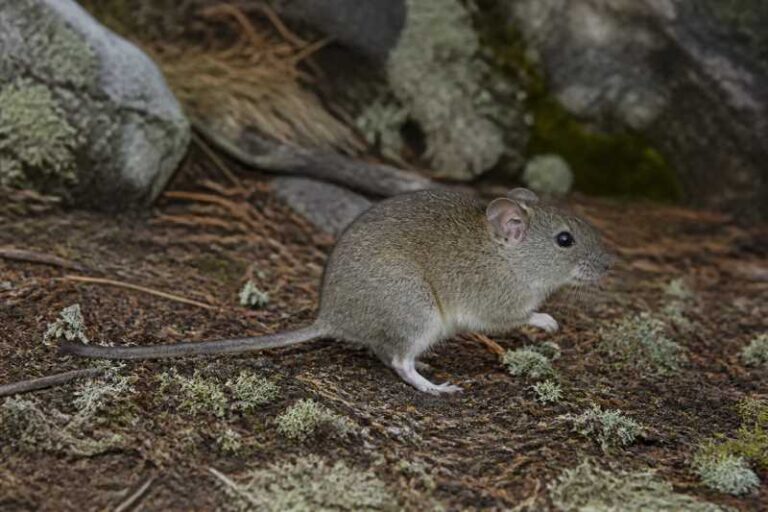
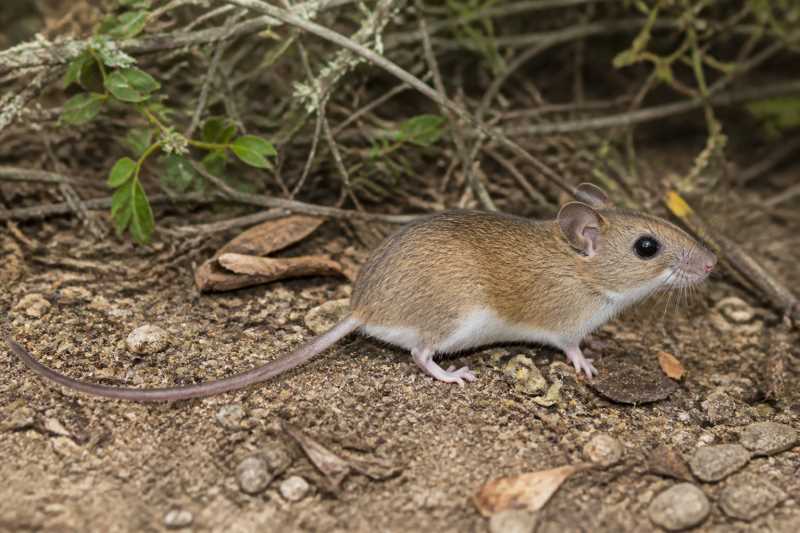
The Totontepec Deermouse is a small rodent characterized by its agile physique and distinctive features. Typically, these mice possess a body length ranging from 8 to 10 centimeters, with a tail that often equals or slightly exceeds the body length, providing them with excellent balance and climbing abilities.
Their fur is generally soft and dense, exhibiting a grayish-brown color on the dorsal side, which is essential for camouflage in their natural habitat. The ventral side is lighter, often white or pale gray, creating a striking contrast. This coloration not only aids in thermoregulation but also serves as a deterrent against predators by blending seamlessly into the forest floor’s dappled light.
The Totontepec Deermouse has large, prominent eyes adapted for low-light conditions, an adaptation that reflects their nocturnal lifestyle. Their ears are moderately sized, rounded, and covered with fine fur, contributing to their acute sense of hearing, which is crucial for detecting predators and communicating with conspecifics.
Range and Habitat
The distribution of the Totontepec Deermouse is limited to the highland regions of Oaxaca, Mexico. They are primarily found in the Sierra Mixe, a mountainous area that provides the ideal environment for their survival. These regions are characterized by a combination of temperate and humid climates, with dense cloud forests and abundant vegetation offering ample resources and shelter.
Totontepec Deermice are arboreal and terrestrial, utilizing both the forest floor and the understory. They are often found in areas with abundant leaf litter, fallen logs, and dense underbrush, which offer protection and nesting opportunities. Their presence is closely tied to the availability of resources such as seeds, fruits, and insects, which are plentiful in these biodiverse ecosystems.
Behavior and Diet
The Totontepec Deermouse is primarily nocturnal, with most of its activities occurring during the night. This behavior minimizes the risk of predation and takes advantage of the cooler temperatures. These mice are solitary creatures, though they may come together briefly during the breeding season.
Their diet is omnivorous, consisting mainly of seeds, fruits, and small invertebrates. They play a crucial role in seed dispersal, aiding in the regeneration of their forest habitats. Foraging occurs both on the ground and in the trees, showcasing their adaptability and resourcefulness.
Communication among Totontepec Deermice is achieved through a combination of vocalizations, scent markings, and body language. These methods are vital for establishing territories, attracting mates, and warning off potential threats.
Identification Tips (Field Recognition Cues)
Identifying the Totontepec Deermouse in the field requires attention to several key physical and behavioral traits:
- Size and Shape: Look for a small, agile rodent with a body length of 8-10 cm and a tail of similar length.
- Fur Coloration: Note the grayish-brown dorsal fur and lighter ventral side.
- Eyes and Ears: Observe the large eyes and rounded ears, indicative of a nocturnal lifestyle.
- Habitat: Focus on cloud forests and regions with dense vegetation.
- Behavior: Look for nocturnal activity and arboreal foraging habits.
Conservation Status (with Threats and Protections)
The conservation status of the Totontepec Deermouse is currently not well-documented, primarily due to its limited range and the challenges in studying remote highland habitats. However, like many species with restricted distributions, they are potentially vulnerable to several threats.
Threats
- Habitat Loss: Deforestation and land conversion for agriculture are significant threats, reducing the available habitat and resources.
- Climate Change: Alterations in temperature and precipitation patterns can impact their cloud forest habitats, affecting food availability and habitat suitability.
- Predation and Competition: Increased predation pressure from both native and introduced species, as well as competition for resources, can impact their population dynamics.
Protections
Efforts to conserve the Totontepec Deermouse include the preservation of their natural habitats through protected areas and sustainable land-use practices. Research initiatives aimed at understanding their ecology and distribution are crucial for informing conservation strategies. Public awareness and education about the importance of biodiversity in the Sierra Mixe region can also play a role in their protection.
Frequently Asked Questions
What is the habitat of the Totontepec Deermouse?
The Totontepec Deermouse primarily inhabits the highland cloud forests of the Sierra Mixe in Oaxaca, Mexico, where they find ample food and shelter.
How can you identify a Totontepec Deermouse?
Identifying a Totontepec Deermouse involves looking for a small rodent with grayish-brown fur, large eyes, and a preference for arboreal and nocturnal activities.
Are Totontepec Deermice endangered?
While specific conservation status is unclear, they face threats from habitat loss and climate change, making conservation efforts important for their survival.
What do Totontepec Deermice eat?
These mice have an omnivorous diet that includes seeds, fruits, and small invertebrates, playing a role in seed dispersal in their habitat.
Why is the Totontepec Deermouse important?
The Totontepec Deermouse contributes to the ecological balance of their habitat by aiding in seed dispersal and serving as prey for predators, highlighting their role in biodiversity.
Related posts