Introduction
The Sichuan Jumping Mouse, scientifically known as Eozapus setchuanus, is a lesser-known mammal species native to the mountainous regions of China. This elusive rodent is a member of the family Dipodidae, which includes other jumping mice known for their distinctive long hind legs and tail, adapted for leaping as a mode of locomotion. As a species, the Sichuan Jumping Mouse plays a crucial role in its ecosystem, contributing to seed dispersal and serving as prey for various predators. This article delves into the fascinating aspects of this species, highlighting its physical characteristics, habitat, behavior, and conservation status.
Physical Description
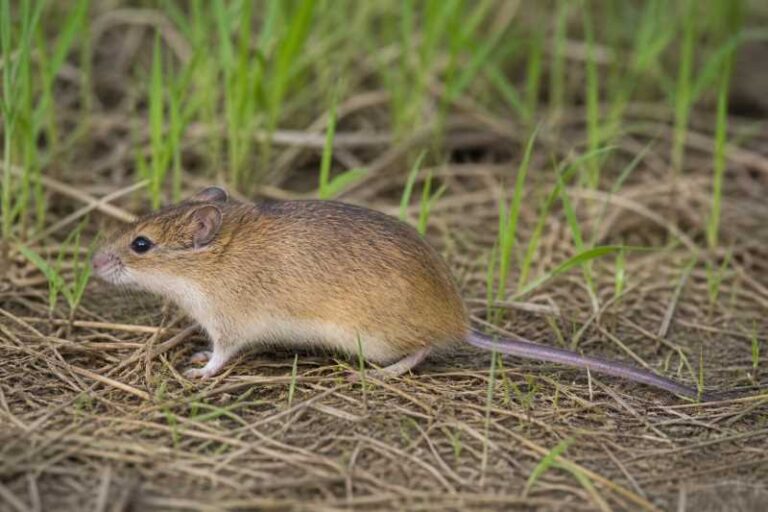
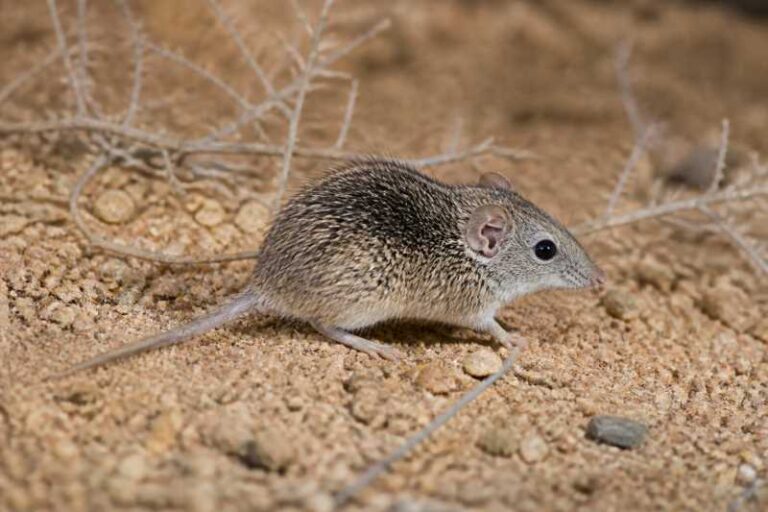
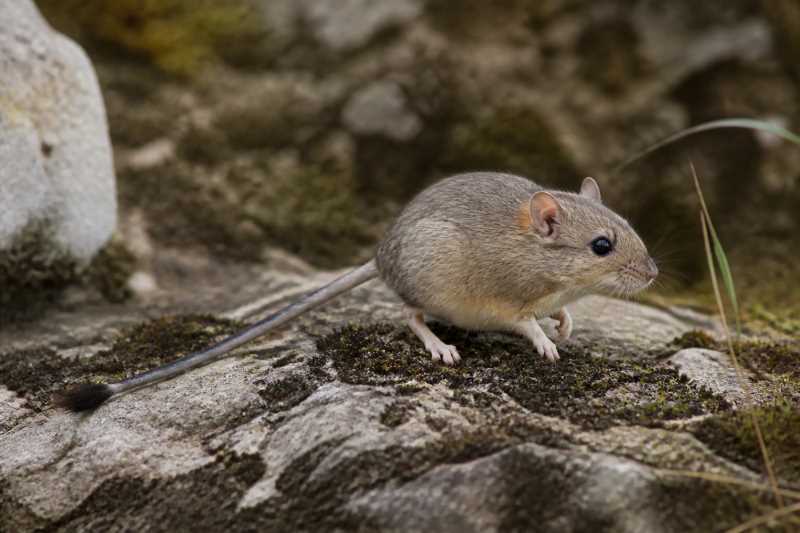
The Sichuan Jumping Mouse is characterized by its small size and unique morphological features that distinguish it from other rodents. Adults typically measure around 18 to 22 centimeters in total length, with the tail accounting for more than half of this measurement. The mouse’s tail is not only long but also covered with sparse hair, aiding in balance during its characteristic jumps.
This species exhibits a coat of fur that is generally greyish-brown on the dorsal side, providing effective camouflage against the forest floor. The ventral side is lighter, usually a whitish or cream color, which can help in temperature regulation. The fur is dense and soft, adapted to the cooler climates of its native habitat.
One of the most striking physical features of the Sichuan Jumping Mouse is its long hind legs, which are significantly more developed than the forelimbs. This adaptation is essential for its ability to make long and agile jumps, a primary means of escaping predators and navigating through its environment. The large hind feet are equipped with sharp claws that provide additional grip and stability on various surfaces.
Range and Habitat
The Sichuan Jumping Mouse is primarily found in the Sichuan province of China, as its name suggests. However, its range may extend into neighboring regions characterized by similar ecological conditions. This species is typically associated with montane and subalpine habitats, where it occupies dense forested areas, grasslands, and shrublands.
These environments provide the Sichuan Jumping Mouse with an abundance of cover from predators as well as a rich supply of food resources. The dense understory and leaf litter in these habitats are particularly important for foraging and nesting. The mouse’s presence in these areas indicates the health and biodiversity of the ecosystem, as it relies on a complex web of interactions with other flora and fauna.
Behavior and Diet
The Sichuan Jumping Mouse is primarily nocturnal, meaning it is most active during the night. This behavior helps it avoid diurnal predators while taking advantage of the cooler temperatures for foraging. During the day, the mouse typically seeks refuge in burrows or dense vegetation to rest and remain concealed.
This species is omnivorous, with a diet that includes seeds, fruits, insects, and other small invertebrates. The Sichuan Jumping Mouse plays a vital role in seed dispersal, aiding in the propagation of various plant species within its habitat. Its feeding habits also help control insect populations, contributing to the ecological balance.
Identification Tips (Field Recognition Cues)
Identifying the Sichuan Jumping Mouse in the field requires attention to several key characteristics:
- Size and Shape: Look for a small rodent with long hind legs and a disproportionately long tail.
- Coloration: Note the greyish-brown dorsal fur and lighter ventral side.
- Behavior: Observe its jumping locomotion, particularly in response to threats.
- Habitat: Focus on montane forests and shrublands within Sichuan and surrounding regions.
Conservation Status (with Threats and Protections)
The conservation status of the Sichuan Jumping Mouse is currently classified as "Data Deficient" by the IUCN Red List, due to a lack of comprehensive studies on its population trends and threats. However, potential threats to its survival include habitat loss due to deforestation and land conversion for agriculture. Climate change may also impact the availability of suitable habitats.
Efforts to protect the Sichuan Jumping Mouse involve preserving its natural habitats through the establishment of protected areas and sustainable land-use practices. Further research is necessary to better understand the species’ ecology, population dynamics, and the full extent of its range.
Frequently Asked Questions
What is the typical lifespan of a Sichuan Jumping Mouse?
The typical lifespan of a Sichuan Jumping Mouse in the wild is not well-documented. However, similar species in the family Dipodidae generally live for about 1 to 3 years, depending on environmental conditions and predation pressures.
How does the Sichuan Jumping Mouse contribute to its ecosystem?
The Sichuan Jumping Mouse contributes to its ecosystem primarily through seed dispersal and insect population control. Its foraging activities help propagate plant species and maintain ecological balance.
Are there any conservation programs specifically targeting the Sichuan Jumping Mouse?
Currently, there are no specific conservation programs dedicated solely to the Sichuan Jumping Mouse. However, broader habitat conservation efforts within its range indirectly benefit the species.
What adaptations help the Sichuan Jumping Mouse survive in its environment?
The Sichuan Jumping Mouse has several adaptations for survival, including long hind legs for jumping, camouflage fur for concealment, and nocturnal habits to avoid predators.
Can Sichuan Jumping Mice be kept as pets?
Sichuan Jumping Mice are wild animals and are not suitable as pets. They have specific habitat and dietary needs that are difficult to replicate in captivity, and their conservation should focus on preserving their natural environment.
Related posts