Introduction
The Kashmir Birch Mouse, scientifically known as Sicista leathemi, is a remarkable small mammal that has piqued the interest of researchers and wildlife enthusiasts alike. This elusive species is part of the Dipodidae family, which includes the jerboas and jumping mice. Though relatively obscure in the grand tapestry of global biodiversity, the Kashmir Birch Mouse holds a crucial ecological niche within its limited range. This article delves into the species’ physical traits, habitat preferences, behaviors, and the conservation challenges it faces, offering a comprehensive overview for anyone keen to learn more about this intriguing mammal.
Physical Description
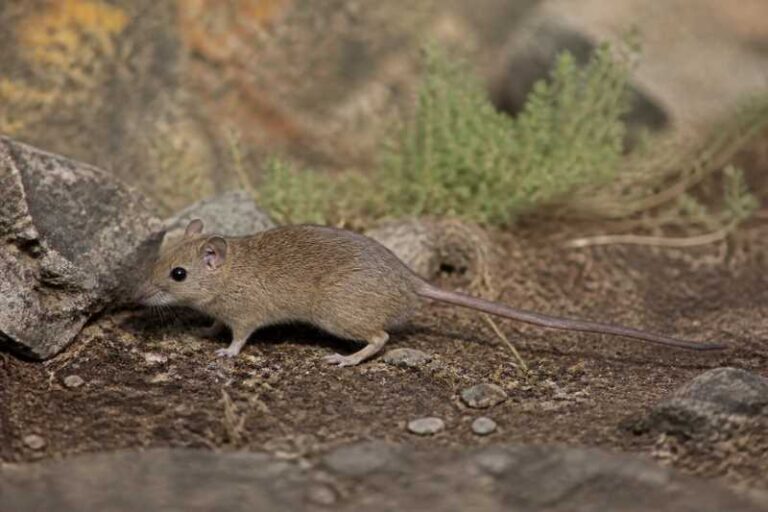
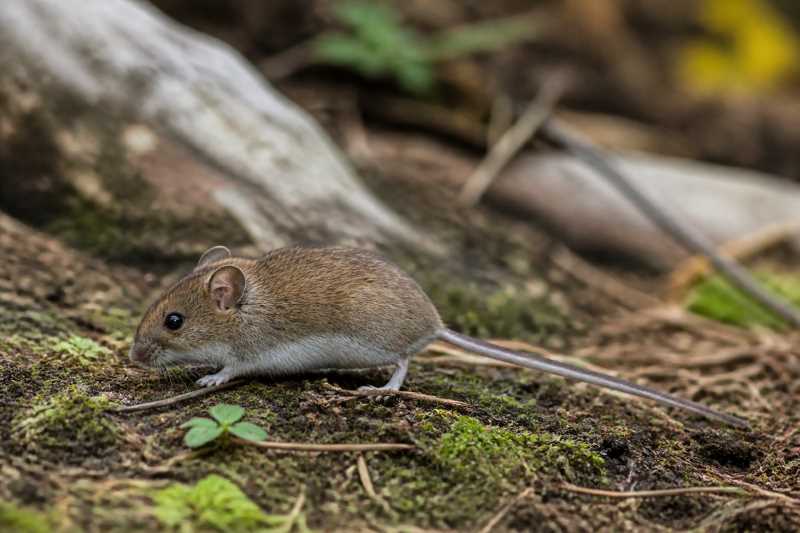
The Kashmir Birch Mouse is a diminutive rodent, with a body length ranging from 7 to 9 centimeters, excluding the tail, which can add an additional 8 to 10 centimeters. The mouse is characterized by its soft, dense fur, which is typically a shade of greyish-brown on the dorsal side and lighter, often white or cream, on the ventral side. Its tail is distinctly bicolored and slightly bushy, which aids in balance during its remarkable leaps. The species exhibits a slender build, with long hind legs adapted for jumping, a trait that is crucial for its survival in the wild.
One of the unique features of the Kashmir Birch Mouse is its large, expressive eyes, which suggest its nocturnal habits. Its ears are relatively small and rounded, often hidden within its fur, aiding in its camouflage against predators.
Range and Habitat
The natural habitat of the Kashmir Birch Mouse is confined to the high-altitude regions of the Kashmir Valley, nestled within the northern stretches of the Indian subcontinent. This region is characterized by its diverse topography, including alpine meadows, mixed forests, and shrublands, which provide the perfect backdrop for this species’ life cycle. The mouse favors areas with dense underbrush and ample ground cover, which offer protection from predators and harsh weather conditions.
The Kashmir Birch Mouse is typically found at elevations ranging from 1,500 to 3,500 meters above sea level. This altitudinal preference ensures it remains within a habitat offering a balance of temperature, humidity, and available food resources. Seasonal migrations within this range may occur, influenced by climatic conditions and food availability.
Behavior and Diet
The Kashmir Birch Mouse is primarily nocturnal, engaging in most of its activities under the cover of darkness. This behavior not only helps in avoiding predators but also aligns with its dietary preferences. The species is omnivorous, with a diet comprising seeds, berries, insects, and small invertebrates. During the warmer months, the mouse is particularly active, foraging for food and storing reserves to sustain itself through the harsher winter period.
Socially, the Kashmir Birch Mouse is relatively solitary. Individuals may occasionally be found in close proximity, but they typically forage alone. Communication among these mice is facilitated through vocalizations and scent markings, the latter being a critical aspect of territory establishment and mate attraction.
Identification Tips (Field Recognition Cues)
Identifying the Kashmir Birch Mouse in the wild can be challenging due to its elusive nature and nocturnal habits. However, a few distinctive cues can aid in recognition:
- Size and Shape: Look for a small, slender rodent with a long tail. Its hind legs are noticeably longer than the forelimbs, adapted for jumping.
- Coloration: The mouse has a greyish-brown dorsal side with a contrasting lighter ventral side. The tail is bicolored and bushy.
- Behavior: Spotting them requires patience and a keen eye, particularly at night. Look for signs of jumping or quick darting movements in underbrush areas.
- Habitat: Focus on areas with dense underbrush within its known altitudinal range, particularly near water sources where food is abundant.
Conservation Status (with Threats and Protections)
The Kashmir Birch Mouse is currently classified as "Data Deficient" by the International Union for Conservation of Nature (IUCN). This classification highlights the need for more comprehensive studies to determine its population trends and distribution accurately. Despite the lack of detailed data, several threats to its survival have been identified.
Threats
- Habitat Loss: The primary threat to the Kashmir Birch Mouse is habitat destruction due to agricultural expansion, deforestation, and infrastructure development in its native regions.
- Climate Change: Shifts in climate patterns, particularly temperature and precipitation changes, may alter the delicate balance of its high-altitude habitat.
- Predation: Natural predators such as birds of prey and small carnivores pose a constant threat, exacerbated by the loss of protective cover.
Protections
Efforts to conserve the Kashmir Birch Mouse are intertwined with broader environmental protection initiatives in the region. Protected areas within its range offer some level of habitat preservation. Conservationists are advocating for targeted research to better understand the species’ needs and the implementation of habitat restoration projects to mitigate the adverse effects of human encroachment.
Frequently Asked Questions
What does the Kashmir Birch Mouse eat?
The Kashmir Birch Mouse is omnivorous, feeding on a diet that includes seeds, berries, insects, and small invertebrates. It is particularly active in the warmer months when these food sources are abundant.
Where can the Kashmir Birch Mouse be found?
This species is found in the Kashmir Valley, India, at elevations between 1,500 to 3,500 meters. It prefers habitats with dense underbrush, mixed forests, and alpine meadows.
How does the Kashmir Birch Mouse avoid predators?
The mouse avoids predators primarily through its nocturnal habits, utilizing its excellent jumping ability and dense habitat cover for protection. Its coloration also helps in blending with its surroundings.
Why is the Kashmir Birch Mouse considered "Data Deficient"?
The "Data Deficient" status is due to the lack of comprehensive studies on its population size, distribution, and ecological needs. More research is needed to accurately assess its conservation status.
What are the threats to the Kashmir Birch Mouse?
Major threats include habitat destruction, climate change, and predation. Efforts are needed to protect its habitat and study the species further to ensure its survival.
Related posts