Introduction
Beccari’s Sheath-tailed Bat (Emballonura beccarii) is a fascinating species of bat within the Emballonuridae family. Named after the Italian botanist Odoardo Beccari, this bat is a testament to the diversity and complexity of mammalian life forms. Found primarily in the Papuan region, Beccari’s Sheath-tailed Bat is notable for its distinct physical characteristics and ecological importance. This article delves into various aspects of this species, providing insights into its physical description, habitat, behavior, and conservation status.
Physical Description
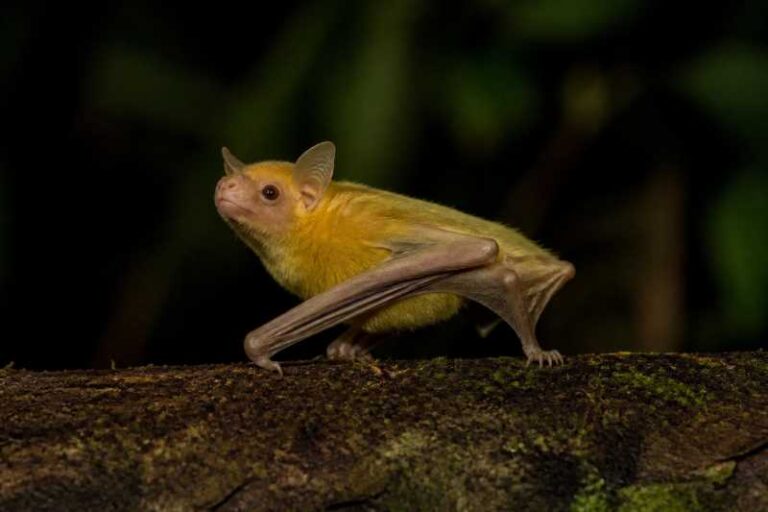
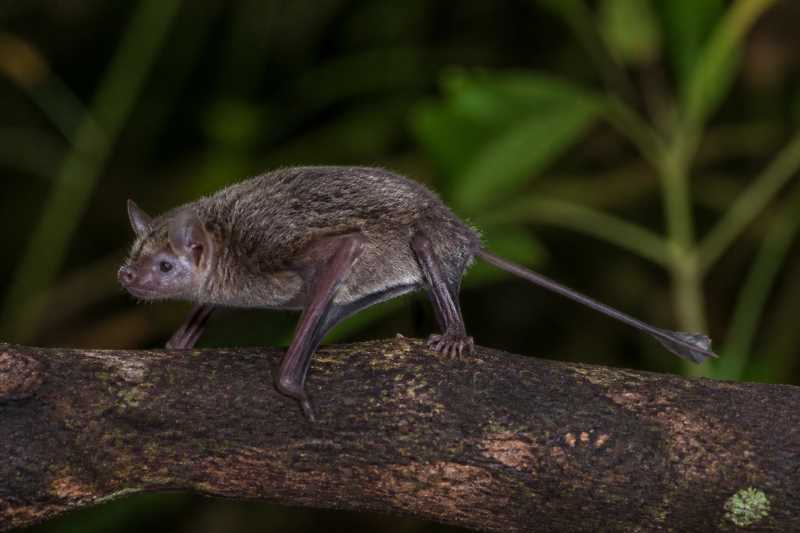
Beccari’s Sheath-tailed Bat is a small to medium-sized bat, with a body length typically ranging from 5 to 7 centimeters and a wingspan of approximately 25 to 30 centimeters. Their fur is generally a greyish-brown, which helps them blend into their natural surroundings, such as cave walls and tree bark. One of the most distinguishing features of this species is the presence of a sheath-like membrane covering the tail, which is characteristic of the Emballonuridae family. The ears are relatively small and rounded, while the muzzle is short and blunt, aiding in their echolocation abilities.
The wings of Beccari’s Sheath-tailed Bat are long and narrow, adapted for rapid and agile flight. This physical adaptation allows them to efficiently navigate dense forest environments and capture prey mid-air. Their eyes are small, as is typical for many bat species, relying more on echolocation than vision to navigate their surroundings.
Range and Habitat
Beccari’s Sheath-tailed Bat is primarily found in the tropical and subtropical regions of Papua New Guinea and nearby islands. This species inhabits a range of environments, from lowland rainforests to mountainous regions. They prefer roosting in caves, rock crevices, and occasionally in hollow trees, which provide protection from predators and harsh weather conditions.
The bats are known to form colonies, often consisting of dozens to hundreds of individuals. These colonies can be found in both disturbed and undisturbed habitats, showcasing their adaptability. However, their preference for specific roosting sites makes them vulnerable to habitat destruction.
Behavior and Diet
Beccari’s Sheath-tailed Bat is a nocturnal species, emerging from their roosts at dusk to forage for food. Their diet primarily consists of insects, which they capture mid-flight using their acute sense of echolocation. This echolocation capability allows them to detect and identify prey with remarkable precision, even in complete darkness.
The bats exhibit social behavior, often roosting in large groups that provide warmth and protection. They communicate through a series of vocalizations and echolocation pulses, which help maintain group cohesion and avoid collisions during flight.
Reproduction in Beccari’s Sheath-tailed Bat follows a seasonal pattern, with mating typically occurring in the warmer months. Females give birth to a single offspring, which they nurse and care for until it is capable of foraging independently.
Identification Tips (field recognition cues)
Identifying Beccari’s Sheath-tailed Bat in the field can be challenging due to their nocturnal nature and small size. However, there are several key features to look for:
- Tail Membrane: Look for the characteristic sheath-like membrane enclosing the tail, a distinctive trait of the Emballonuridae family.
- Flight Pattern: Observe their flight, which is agile and rapid, often in zigzag patterns as they hunt for insects.
- Roosting Sites: Check caves, rock crevices, or hollow trees in the Papuan region for colonies of these bats.
- Vocalizations: Listen for their echolocation clicks, which are high-pitched and rapid, especially when they are in flight.
Conservation Status (with threats and protections)
Beccari’s Sheath-tailed Bat is currently listed as a species of Least Concern by the International Union for Conservation of Nature (IUCN). However, they face threats from habitat destruction due to deforestation and land conversion for agriculture and urban development. Additionally, disturbances to their roosting sites can significantly impact colony stability and reproduction.
Conservation efforts for this species include habitat protection and the establishment of protected areas in key regions. Educating local communities about the ecological benefits of bats, such as insect population control, is also crucial for their conservation. Continued research and monitoring are needed to ensure the long-term survival of Beccari’s Sheath-tailed Bat.
Frequently Asked Questions
1. What is the primary diet of Beccari’s Sheath-tailed Bat?
Beccari’s Sheath-tailed Bat primarily feeds on insects. They use echolocation to locate and capture their prey mid-air during nocturnal foraging.
2. Where can Beccari’s Sheath-tailed Bat be found?
This species is found in the tropical and subtropical regions of Papua New Guinea and nearby islands. They inhabit caves, rock crevices, and hollow trees.
3. How does Beccari’s Sheath-tailed Bat use echolocation?
The bat emits high-frequency sounds that bounce off objects and return as echoes. This allows them to navigate and hunt for insects in complete darkness.
4. What threats do Beccari’s Sheath-tailed Bats face?
They are threatened by habitat destruction due to deforestation and disturbances to their roosting sites, impacting colony stability and reproduction.
5. Are Beccari’s Sheath-tailed Bats social animals?
Yes, they are social animals that roost in colonies, which provide warmth and protection. They communicate using vocalizations and echolocation.
Related posts