Introduction
The Small Mexican Small-eared Shrew, scientifically known as Cryptotis mexicanus, is a fascinating yet understudied mammal species. As a member of the Soricidae family, this shrew is part of a group of small insectivorous mammals that play a crucial role in maintaining the ecological balance of their habitats. Known for their diminutive size and elusive nature, shrews are often overshadowed by larger and more charismatic mammals. However, the Small Mexican Small-eared Shrew deserves attention due to its unique adaptations and ecological significance.
Physical Description
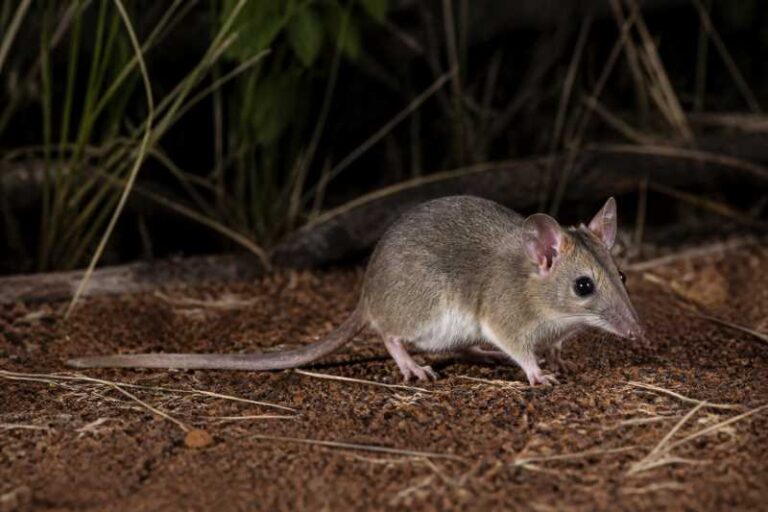
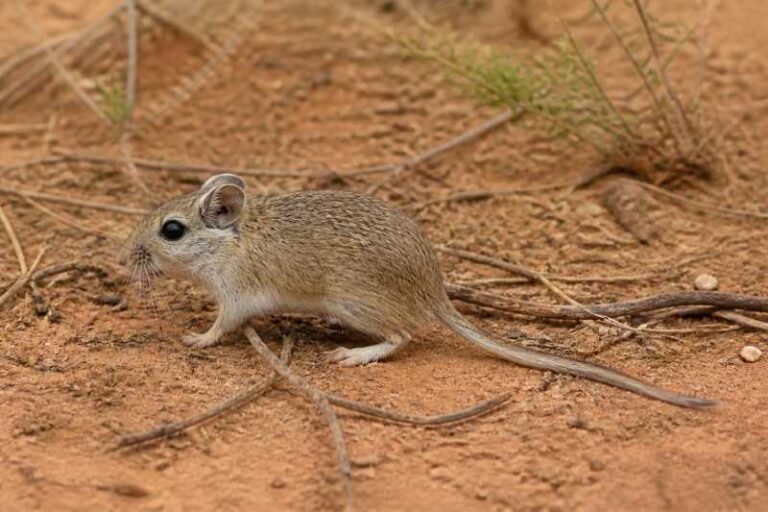
Cryptotis mexicanus is aptly named for its small size and conspicuously tiny ears, which are often hidden by fur. These shrews typically measure between 7 to 10 centimeters in length, including their tail, which is proportionally short compared to other small mammals. The weight of these shrews usually ranges from 5 to 10 grams, making them one of the lighter members of the mammalian class.
Their dense fur is typically dark gray or brown, providing effective camouflage in their natural habitat. The shrews have a pointed snout, which aids in their insectivorous diet, and tiny eyes that suggest a reliance on other senses over vision. Their limbs are short but well-suited for digging and navigating through the leaf litter and soil of their environments.
Range and Habitat
The Small Mexican Small-eared Shrew is primarily found in Mexico, as its name suggests, but its range extends into parts of Central America. This species prefers moist, dense forest environments, often inhabiting montane and cloud forests that provide ample cover and a rich supply of invertebrates for food.
These shrews are typically found at elevations ranging from 1,000 to 3,000 meters above sea level. They prefer areas with abundant ground cover, such as leaf litter and fallen logs, which offer protection from predators and harsh weather conditions.
Behavior and Diet
Shrews are primarily nocturnal creatures, spending most of their active hours at night when they forage for food. The Small Mexican Small-eared Shrew exhibits typical shrew behavior, characterized by high activity levels and a fast metabolism. This requires them to eat frequently, often consuming their body weight in food each day.
Their diet primarily consists of insects and other small invertebrates, including beetles, worms, and larvae. They use their sharp, pointed snouts to root through the soil and leaf litter, detecting prey with their acute sense of smell and touch.
Identification Tips (Field Recognition Cues)
Identifying the Small Mexican Small-eared Shrew in the wild can be challenging due to its small size and elusive nature. However, there are several field recognition cues that can aid in its identification:
- Size and Shape: Look for a small mammal with a compact, rounded body and a proportionally short tail.
- Fur Color: The dark gray or brown fur provides good camouflage against the forest floor.
- Ears: The ears are almost invisible, often covered by fur, which is a distinguishing feature of this species.
- Nose and Snout: A pointed snout is characteristic of shrews and aids in their insectivorous diet.
Conservation Status (with Threats and Protections)
The conservation status of the Small Mexican Small-eared Shrew is currently listed as Least Concern by the International Union for Conservation of Nature (IUCN). However, this does not mean the species is free from threats.
Habitat destruction, primarily due to deforestation for agriculture and urban development, poses a significant threat to their populations. Climate change also threatens their montane habitats, potentially altering the ecosystems they depend on.
Conservation efforts focus on habitat protection and restoration. Protected areas and reserves in Mexico and Central America are crucial for the preservation of this species, as they offer a refuge from habitat destruction and human encroachment.
Frequently Asked Questions
What does the Small Mexican Small-eared Shrew eat?
The diet of the Small Mexican Small-eared Shrew mainly consists of insects and other small invertebrates. They use their keen sense of smell and touch to locate prey, such as beetles, worms, and larvae.
Where can the Small Mexican Small-eared Shrew be found?
This species is primarily found in Mexico and parts of Central America, preferring moist, dense forest environments such as montane and cloud forests.
How does the Small Mexican Small-eared Shrew avoid predators?
The Small Mexican Small-eared Shrew relies on its small size and camouflage provided by its dark fur to avoid predators. It inhabits areas with abundant ground cover, offering protection from predators.
What is the conservation status of the Small Mexican Small-eared Shrew?
The International Union for Conservation of Nature (IUCN) lists the species as Least Concern, although habitat destruction and climate change pose ongoing threats.
Are Small Mexican Small-eared Shrews nocturnal?
Yes, these shrews are primarily nocturnal, with most of their foraging and activity occurring at night.
Related posts