Introduction
Strecker’s Pocket Gopher (Geomys streckeri) is a fascinating subterranean mammal native to North America. Known for its impressive burrowing abilities and distinctive cheek pouches, this species plays a significant role in soil aeration and ecosystem health. Despite its elusive nature, the Strecker’s Pocket Gopher has garnered interest from researchers and conservationists alike due to its specialized habitat requirements and potential vulnerability to environmental changes.
Physical Description
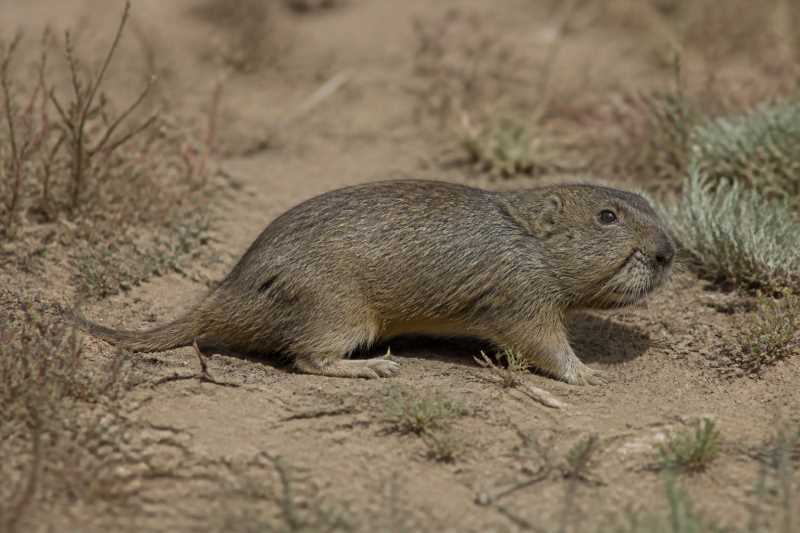
Strecker’s Pocket Gopher is characterized by its robust, cylindrical body and powerful forelimbs, which are adapted for digging. Adults typically measure between 20 to 30 centimeters in length, with a short, sparsely-haired tail. The species boasts a dense, soft fur that varies in color from brownish-gray to a darker brown, providing an effective camouflage against the soil in which it dwells.
One of the most distinctive features of Geomys streckeri is its large, external fur-lined cheek pouches, which are used to transport food and nesting materials. These pouches can be turned inside out for cleaning. The gopher’s incisors are prominent and capable of growing continuously, allowing it to gnaw through roots and other underground obstacles.
Range and Habitat
Strecker’s Pocket Gopher is predominantly found in the central regions of the United States, with its range extending across parts of Texas and Oklahoma. The species prefers loose, sandy soils that facilitate easier burrowing and tunneling activities. Its habitats often include grasslands, open woodlands, and areas with sparse vegetation where soil conditions are suitable.
The gopher’s burrow systems are elaborate, consisting of extensive tunnels that can cover large areas. These burrows serve as protection from predators and harsh weather conditions, while also providing access to food sources such as roots and tubers.
Behavior and Diet
Primarily solitary and nocturnal, Strecker’s Pocket Gopher spends most of its life underground, only occasionally emerging to forage on the surface. The species is highly territorial, with individuals maintaining exclusive burrow systems that they defend aggressively against intruders.
The diet of Strecker’s Pocket Gopher consists mainly of plant material, including roots, bulbs, and tubers. The gopher uses its keen sense of smell to locate food and relies on its powerful incisors to harvest it. By foraging underground, the gopher helps aerate the soil and facilitate nutrient cycling, contributing positively to the ecosystem.
Identification Tips (Field Recognition Cues)
Identifying Strecker’s Pocket Gopher can be challenging due to its subterranean lifestyle. However, several field recognition cues can aid in identification:
- Mound Patterns: Look for fan-shaped mounds of soil with a central depression, indicative of gopher activity.
- Burrow Entrances: Notice small, oval openings in the ground, often plugged with soil, marking burrow entrances.
- Cheek Pouches: Observe any captured specimens for fur-lined cheek pouches that are unique to pocket gophers.
- Incisor Marks: Examine plant roots and bulbs for distinctive incisor marks left by gophers while feeding.
Conservation Status (With Threats and Protections)
Currently, Strecker’s Pocket Gopher is not listed as endangered, but it faces several threats that could impact its populations. Habitat destruction due to agricultural expansion and urban development poses significant risks by reducing available burrowing grounds. Additionally, the use of pesticides and rodenticides can have detrimental effects on gopher populations.
Conservation efforts for Strecker’s Pocket Gopher focus on habitat preservation and the promotion of sustainable land use practices. Protecting natural grasslands and implementing buffer zones around agricultural areas can help ensure the survival of this species. Ongoing research and monitoring are essential to understanding population dynamics and addressing emerging threats effectively.
Frequently Asked Questions
Why is this species unique?
Strecker’s Pocket Gopher is unique due to its highly specialized burrowing lifestyle and adaptations for life underground. Its ability to aerate soil and facilitate nutrient cycling makes it an essential component of its ecosystem.
How does Strecker’s Pocket Gopher contribute to the ecosystem?
By burrowing and foraging underground, Strecker’s Pocket Gopher helps aerate the soil, which improves water infiltration and nutrient distribution. This activity supports plant growth and overall ecosystem health.
What are the main threats to this species?
The primary threats to Strecker’s Pocket Gopher include habitat destruction due to agriculture and urban development, as well as the use of pesticides and rodenticides that can harm gopher populations.
How can we help protect Strecker’s Pocket Gopher?
Protecting natural habitats and promoting sustainable land use practices are crucial for the conservation of Strecker’s Pocket Gopher. Supporting policies that limit habitat destruction and reduce pesticide usage can also aid in their protection.
Related posts