Introduction
The Fraternal Squirrel, scientifically known as Sundasciurus fraterculus, is a lesser-known yet fascinating member of the Sciuridae family. This species is native to Southeast Asia, where it inhabits dense forest regions. Despite its elusive nature, the Fraternal Squirrel plays a vital role in its ecosystem, serving as both a seed disperser and a prey species for larger predators. Understanding its physical characteristics, behavior, and habitat is crucial for appreciating this squirrel’s ecological significance.
Physical Description
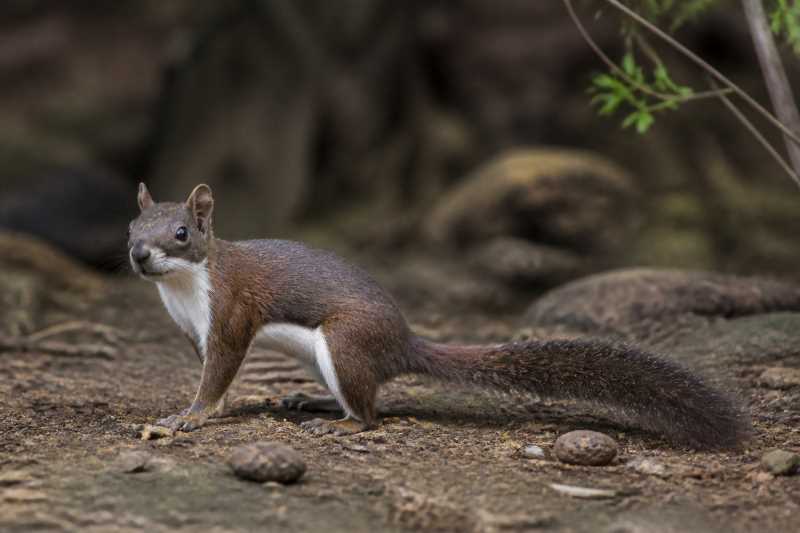
The Fraternal Squirrel is a small to medium-sized squirrel with a distinctive appearance that sets it apart from other tree squirrels in the region. It typically measures about 20 to 25 centimeters in body length, with a bushy tail that adds an additional 15 to 20 centimeters. Its fur is predominantly a rich brown color, with subtle variations that can include shades of gray and black, particularly around the head and tail. The underparts are usually lighter, often presenting a creamy or whitish hue. The Fraternal Squirrel’s ears are small and rounded, lacking the prominent tufts seen in some other squirrel species. Its eyes are large and expressive, aiding in its acute vision necessary for navigating the forest canopy.
Range and Habitat
Sundasciurus fraterculus is an arboreal species primarily found in the tropical and subtropical forests of Southeast Asia. Its range includes parts of Indonesia, Malaysia, and the Philippines, where it thrives in both primary and secondary forests. This squirrel prefers dense, mature forests that offer abundant food resources and ample cover from predators. It is an excellent climber and spends most of its life in the trees, foraging and nesting in the canopy. The presence of large, fruiting trees and a diverse understory is crucial for the Fraternal Squirrel’s survival, as these provide both sustenance and protection.
Behavior and Diet
The Fraternal Squirrel is diurnal, meaning it is most active during the day. This squirrel is primarily solitary, although individuals may occasionally be seen foraging in loose groups. Its diet is omnivorous, consisting mainly of fruits, seeds, nuts, and insects. The squirrel’s feeding habits play a significant role in seed dispersal, contributing to the health and regeneration of its forest habitat. Fraternal Squirrels are known for their agility and speed, which help them evade predators and efficiently search for food. Vocalizations are an essential part of their behavior, with a range of calls used to communicate with conspecifics, warn of danger, and establish territory.
Identification Tips (Field Recognition Cues)
Identifying the Fraternal Squirrel in the wild requires attention to several key features:
- Size and Shape: Look for a small to medium-sized squirrel with a body length of 20 to 25 cm and a bushy tail.
- Coloration: Note the predominantly brown fur with possible gray and black shades and a lighter underbelly.
- Behavior: Observe the squirrel’s agile movements in the canopy and listen for its vocalizations.
- Habitat: Focus on dense forest areas within its geographic range.
Conservation Status (with Threats and Protections)
The conservation status of the Fraternal Squirrel is currently listed as "Least Concern" by the International Union for Conservation of Nature (IUCN). However, like many forest-dwelling species, it faces threats from habitat loss due to deforestation, agricultural expansion, and urban development. Additionally, hunting and trapping for the pet trade pose localized threats. Conservation efforts are essential to ensure the long-term survival of this species. Protecting large tracts of forest, enforcing anti-poaching laws, and promoting sustainable land-use practices are critical measures that can help preserve the Fraternal Squirrel’s habitat and reduce human-induced pressures.
Frequently Asked Questions
What do Fraternal Squirrels eat?
Fraternal Squirrels primarily eat fruits, seeds, nuts, and insects. They are omnivorous and play a vital role in seed dispersal within their forest habitats.
Where can Fraternal Squirrels be found?
Fraternal Squirrels are native to Southeast Asia, inhabiting the tropical and subtropical forests of Indonesia, Malaysia, and the Philippines.
How can you identify a Fraternal Squirrel?
Look for a small to medium-sized squirrel with brown fur, a bushy tail, and lighter underparts. They are often seen in dense forest canopies.
Are Fraternal Squirrels endangered?
Currently, Fraternal Squirrels are not endangered, but they face threats from habitat destruction and hunting. Conservation efforts are important to mitigate these threats.
Related posts