Introduction
The Hottentot Golden Mole, scientifically known as Amblysomus hottentotus, is a fascinating mammal species that often goes unnoticed due to its subterranean lifestyle. Belonging to the family Chrysochloridae, this species is a member of the golden mole family, which is not closely related to true moles but has evolved similar characteristics through convergent evolution. Native to southern Africa, the Hottentot Golden Mole is a remarkable example of adaptation to life underground, showcasing unique physiological and behavioral traits that allow it to thrive in its environment.
Physical Description
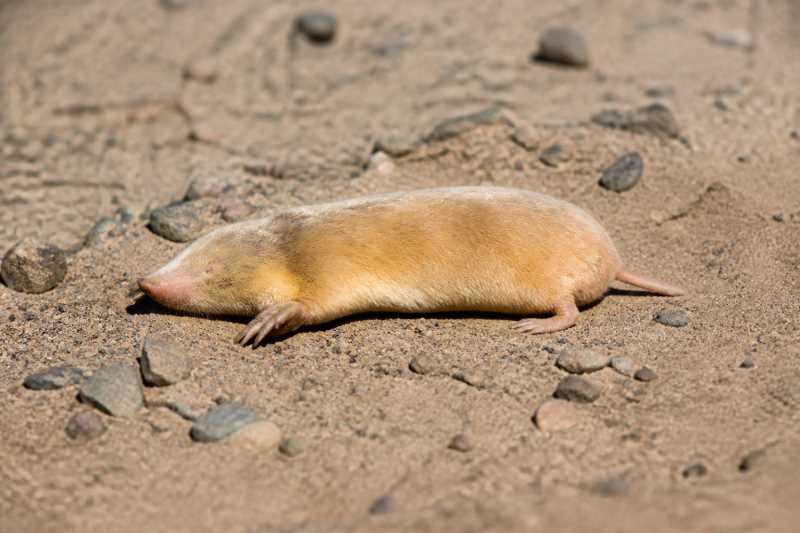
The Hottentot Golden Mole is a small, robust mammal with a body length ranging between 10 to 14 centimeters and weighing approximately 30 to 80 grams. Its body is covered with silky fur that ranges in color from golden-brown to dark brown, which provides excellent camouflage within its habitat. One of the most distinctive features of this species is its lack of external ears and its small, vestigial eyes, which are covered by skin and fur. This adaptation protects the eyes from dirt and debris while digging.
The forelimbs of the Hottentot Golden Mole are well-adapted for its fossorial lifestyle. They are strong and equipped with large, claw-like appendages that enable efficient digging. Unlike many burrowing mammals, the hind limbs of this mole are shorter and less robust, which is sufficient for pushing soil backward as it tunnels through the earth. The animal’s nose is leathery and sensitive, aiding in the detection of vibrations and chemical signals in its environment.
Range and Habitat
The Hottentot Golden Mole is endemic to southern Africa, with its range extending across several countries, including South Africa, Lesotho, and Eswatini. Within these regions, it inhabits a variety of environments, from coastal areas to inland grasslands and forests. This species is highly adaptable and can be found in areas with sandy or loamy soils, which facilitate easy burrowing.
Golden moles prefer habitats with loose soil that allow for efficient tunneling and access to their prey. They are often found in areas with a thick layer of leaf litter or grass cover, which provides additional protection from predators and extreme weather conditions. The burrow systems of the Hottentot Golden Mole can be extensive, with multiple chambers used for resting, food storage, and nesting.
Behavior and Diet
Hottentot Golden Moles are primarily nocturnal and exhibit solitary behavior. They spend the majority of their lives underground, coming to the surface only occasionally to forage or disperse to new areas. Their activity patterns are closely linked to environmental conditions, preferring to be active after rainfall when the soil is softer and easier to tunnel through.
The diet of the Hottentot Golden Mole consists mainly of invertebrates, such as earthworms, insects, and their larvae. They locate their prey using their acute sense of touch and hearing, as their reduced eyesight is not effective in the dark subterranean environment. The moles use their powerful forelimbs to excavate tunnels and uncover prey, which is then consumed using their sharp teeth.
Identification Tips (Field Recognition Cues)
Identifying a Hottentot Golden Mole in the field can be challenging due to its elusive nature and underground habitat. However, there are several cues that can aid in recognition:
- Burrow Entrances: Look for small, circular openings in the ground with loose soil around them. These are indicative of mole activity.
- Soil Mound: Fresh mounds of soil, typically fan-shaped or crescent, may suggest recent digging activity by a golden mole.
- Vibrations: Pay attention to subtle ground vibrations, which may indicate a mole moving below the surface.
- Fur Texture and Color: If seen above ground, note the silky, golden to dark brown fur which is characteristic of this species.
Conservation Status (With Threats and Protections)
The conservation status of the Hottentot Golden Mole varies across its range, but it is generally not considered to be under immediate threat. However, habitat loss due to agricultural expansion, urban development, and mining activities poses significant threats to its populations. In some areas, soil compaction and pollution also impact their ability to tunnel and find food.
Conservation efforts for the Hottentot Golden Mole include habitat preservation and restoration, alongside initiatives to raise awareness about the ecological importance of this species. Protected areas and nature reserves within its range play a crucial role in safeguarding its habitat. Continued research and monitoring are essential to ensure the long-term survival of the Hottentot Golden Mole.
Frequently Asked Questions
1. What adaptations help the Hottentot Golden Mole survive underground?
The Hottentot Golden Mole has several adaptations for underground survival, including a streamlined body, strong forelimbs for digging, and reduced eyes covered by skin to prevent dirt ingress. Its sensitive nose and ears help detect prey and navigate its environment.
2. Where can you find Hottentot Golden Moles in the wild?
Hottentot Golden Moles are found in southern Africa, particularly in South Africa, Lesotho, and Eswatini. They inhabit areas with loose, sandy, or loamy soils, such as grasslands, forests, and coastal regions.
3. How do Hottentot Golden Moles find their food?
These moles locate their food using their acute sense of touch and hearing. They dig through the soil using their powerful forelimbs to uncover invertebrates like earthworms and insects, which constitute their primary diet.
4. Are Hottentot Golden Moles endangered?
While not currently endangered, Hottentot Golden Moles face threats from habitat loss due to agricultural and urban development. Conservation efforts focus on habitat preservation and monitoring to prevent population declines.
5. How can I identify signs of Hottentot Golden Mole activity?
Look for small, circular burrow entrances, fresh soil mounds, and ground vibrations as indicators of golden mole presence. If observed above ground, note the silky, golden-brown fur.
Related posts