Introduction
The Bushveld Sengi, scientifically known as Elephantulus intufi, is a fascinating small mammal that belongs to the family Macroscelididae. Commonly referred to as the bushveld elephant shrew, this intriguing creature is a marvel of evolutionary adaptation. Its name, which links it to elephants, is derived from its unique trunk-like nose, though it is only distantly related to elephants. The Bushveld Sengi is native to the southern African region and is an integral part of its ecosystem, showcasing a blend of primitive characteristics and specialized adaptations that have allowed it to thrive in diverse environments.
Physical Description
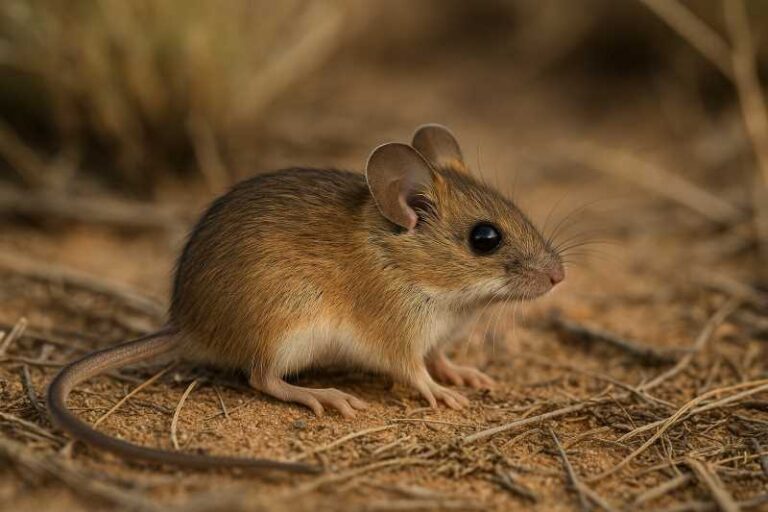
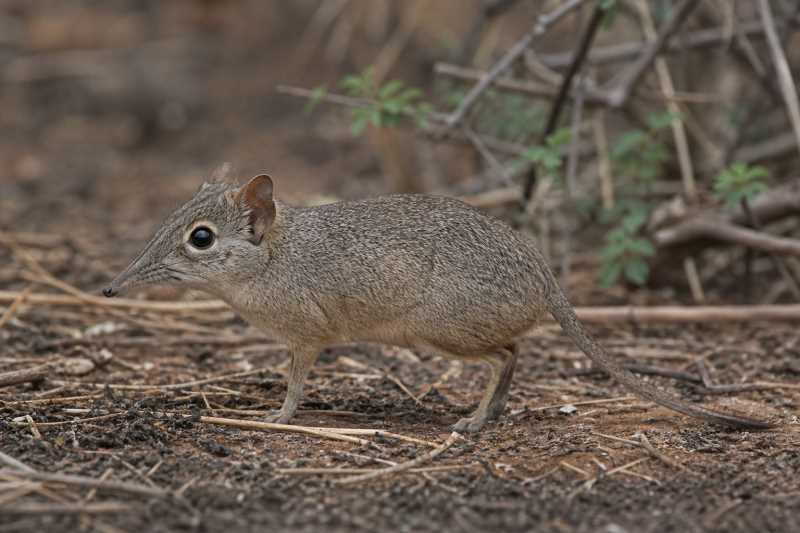
The Bushveld Sengi is a small mammal, typically weighing between 45 to 60 grams, with a body length ranging from 10 to 12 centimeters, excluding the tail, which adds an additional 8 to 10 centimeters. Its most distinctive feature is its elongated, flexible snout, which it uses in a manner reminiscent of the trunk of an elephant to probe for food among leaf litter and underbrush.
This sengi’s fur is soft and varies in color, typically ranging from a pale sandy hue to a darker, more reddish-brown, providing excellent camouflage in its natural habitat. The underbelly tends to be lighter, often a creamy white. Its large eyes are adapted to spotting predators, and its large ears aid in detecting sounds, making it a highly alert and cautious animal.
Range and Habitat
The Bushveld Sengi is primarily found in the southern regions of Africa, where it inhabits a range of environments, including savannas, woodlands, and rocky outcrops. It is particularly prevalent in the bushveld regions of Namibia, Botswana, Zimbabwe, and South Africa.
This species favors habitats that offer ample ground cover and an abundance of insect prey. The dense vegetation and complex ground structure of these areas provide both shelter from predators and a rich foraging ground. The bushveld, with its mix of grasses, shrubs, and trees, offers the ideal environment for the Bushveld Sengi to exercise its ecological niche as an insectivore.
Behavior and Diet
The Bushveld Sengi is primarily diurnal, meaning it is active during the day, although some activity may occur at night. It is known for its remarkable speed and agility, capable of darting quickly through underbrush to evade predators. This sengi is a solitary creature, with individuals maintaining and defending territories against others of the same species.
Its diet consists mainly of insects, including ants, termites, beetles, and other small invertebrates. The flexible snout is instrumental in foraging, allowing the sengi to root through the leaf litter and soil with precision. Occasionally, the Bushveld Sengi may supplement its diet with plant matter such as seeds and small fruits.
Identification Tips (Field Recognition Cues)
Identifying the Bushveld Sengi in the wild can be a rewarding experience for wildlife enthusiasts. Here are some key tips for recognizing this species:
- Size and Shape: Look for a small, mouse-sized mammal with a long, pointed snout.
- Coloration: Note the sandy to reddish-brown fur, which helps it blend into its environment.
- Movement: Observe the quick, darting movements, often accompanied by pauses as it listens for predators.
- Habitat: Search in bushveld areas with dense underbrush, particularly in the early morning or late afternoon when they are most active.
- Sound: Listen for rustling in the underbrush, a common indicator of their presence.
Conservation Status (with Threats and Protections)
The Bushveld Sengi is currently listed as Least Concern by the International Union for Conservation of Nature (IUCN). However, like many species, it faces potential threats from habitat loss and fragmentation due to agricultural expansion and urban development.
Protection of its habitat is crucial for its continued survival. Conservation efforts in national parks and reserves across its range help to preserve its natural environment. Moreover, raising awareness about the ecological role of this species can foster greater appreciation and support for conservation initiatives.
Frequently Asked Questions
- What is the primary diet of the Bushveld Sengi?
The Bushveld Sengi primarily feeds on insects such as ants, termites, and beetles. It uses its elongated snout to forage through leaf litter and soil, occasionally supplementing its diet with seeds and small fruits.
- How does the Bushveld Sengi avoid predators?
The Bushveld Sengi uses its agility and speed to evade predators, often darting quickly through dense underbrush. Its coloration provides camouflage, and its large ears and eyes help it detect potential threats.
- Where can you typically find the Bushveld Sengi?
The Bushveld Sengi is found in southern Africa, particularly in the bushveld regions of Namibia, Botswana, Zimbabwe, and South Africa. It prefers habitats with dense ground cover and abundant insect prey.
- Are Bushveld Sengis social animals?
No, Bushveld Sengis are generally solitary animals. They maintain and defend individual territories and only come together for mating purposes.
- What are the conservation concerns for the Bushveld Sengi?
While currently listed as Least Concern, the Bushveld Sengi faces threats from habitat loss and fragmentation due to human activities. Conservation efforts focus on habitat protection within national parks and reserves.
Related posts