Northern Hairy-nosed Wombat: A Comprehensive Guide
Introduction
The Northern Hairy-nosed Wombat (Lasiorhinus krefftii) is one of the rarest and most endangered mammals in the world. Known for its distinctive features and elusive nature, this wombat species is endemic to Australia and carries significant ecological and cultural importance. Understanding the Northern Hairy-nosed Wombat’s unique characteristics, habitat preferences, and conservation challenges is crucial for its survival and offers insights into broader environmental and biodiversity issues.
Physical Description
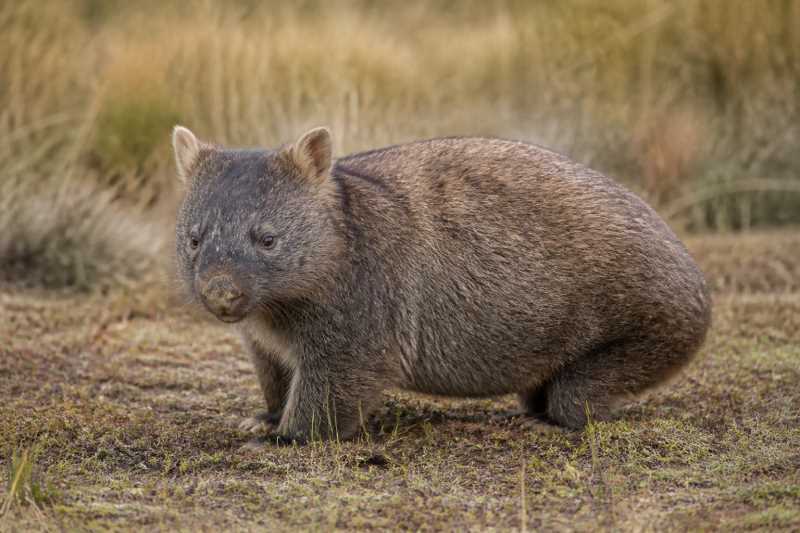
The Northern Hairy-nosed Wombat is a robust and muscular marsupial, characterized by its broad head and short, powerful limbs. It measures approximately 80 to 100 centimeters in length and can weigh between 30 to 40 kilograms. Its fur is soft and silky, unlike the coarse fur of its southern relatives, and it bears a distinctive hairy nose, which gives the species its name. This adaptation is likely useful for detecting scents in its arid environment. The species’ coat is typically grayish-brown with paler underparts, and its ears are rounded and covered in fine hair.
Range and Habitat
Historically, the Northern Hairy-nosed Wombat was found across a broader range in eastern Australia. Today, its population is restricted to Epping Forest National Park in Queensland, where conservation efforts are concentrated. This habitat is characterized by sandy-loam soils, which are ideal for the wombat’s burrowing lifestyle. The region is dominated by eucalyptus woodlands and native grasses, offering the wombat both shelter and food sources. Climate change, human encroachment, and habitat degradation have significantly reduced their range, making habitat protection critical for their survival.
Behavior and Diet
Northern Hairy-nosed Wombats are nocturnal and solitary animals, spending the majority of the day resting in their extensive burrow systems to avoid the harsh daytime temperatures. These burrows offer a cool refuge and are intricately constructed, with multiple entrances and chambers. At night, wombats emerge to forage, primarily feeding on native grasses such as spear grass and tussock grass. Their diet is highly specialized, and their digestive system is adapted to extract maximum nutrients and moisture from their food, which is crucial in their arid habitat.
Identification Tips (Field Recognition Cues)
Identifying the Northern Hairy-nosed Wombat in the field is challenging due to their nocturnal and elusive nature. Key identification cues include:
- Burrows: Look for large, complex burrow systems, often with several entrances.
- Scat: Wombat droppings are cube-shaped, which prevents them from rolling away and helps mark territory.
- Tracks: Their tracks are broad and round due to their stocky legs and powerful claws.
- Fur and Nose: The silky fur and distinctive hairy nose are rare features among wombats, aiding identification.
Conservation Status (with Threats and Protections)
The Northern Hairy-nosed Wombat is classified as Critically Endangered by the IUCN Red List. The primary threats to its survival include habitat loss, competition with livestock for food, and predation by introduced species such as dingoes and foxes. Disease and genetic diversity are also concerns due to their small population size.
Conservation efforts are focused on habitat protection, predator control, and breeding programs. The establishment of a second wombat population at Richard Underwood Nature Refuge aims to reduce extinction risk. Community engagement and research are also vital components of their conservation strategy.
Frequently Asked Questions
What is the lifespan of a Northern Hairy-nosed Wombat?
Northern Hairy-nosed Wombats can live up to 30 years in the wild. Their longevity is influenced by environmental conditions and the availability of food and water.
How many Northern Hairy-nosed Wombats are left in the wild?
As of recent estimates, there are fewer than 300 Northern Hairy-nosed Wombats remaining, concentrated primarily in Epping Forest National Park.
What efforts are being made to conserve the Northern Hairy-nosed Wombat?
Conservation efforts include habitat protection, predator control, and creating additional populations to ensure genetic diversity and species survival.
Why are Northern Hairy-nosed Wombats important to the ecosystem?
These wombats play a crucial role in their ecosystem by aerating soil through burrowing, which aids in nutrient cycling and promotes plant growth.
Can the Northern Hairy-nosed Wombat be seen in zoos?
Currently, Northern Hairy-nosed Wombats are not housed in zoos. Conservation efforts are focused on preserving their natural habitat and increasing their wild population.
Related posts