Savanna Oncilla (Leopardus tigrinus): A Comprehensive Guide
Introduction
The Savanna Oncilla, scientifically known as Leopardus tigrinus, is a small and elusive wild cat native to the Neotropical regions of Central and South America. This remarkable feline, also known as the Northern Tiger Cat, is part of the Leopardus genus, which includes other small spotted cats such as the Ocelot and Margay. Despite its captivating appearance and enigmatic nature, the Savanna Oncilla remains one of the lesser-known felids, often overshadowed by its more famous relatives. This article aims to shed light on the fascinating aspects of the Savanna Oncilla, including its physical description, habitat, behavior, and conservation status.
Physical Description
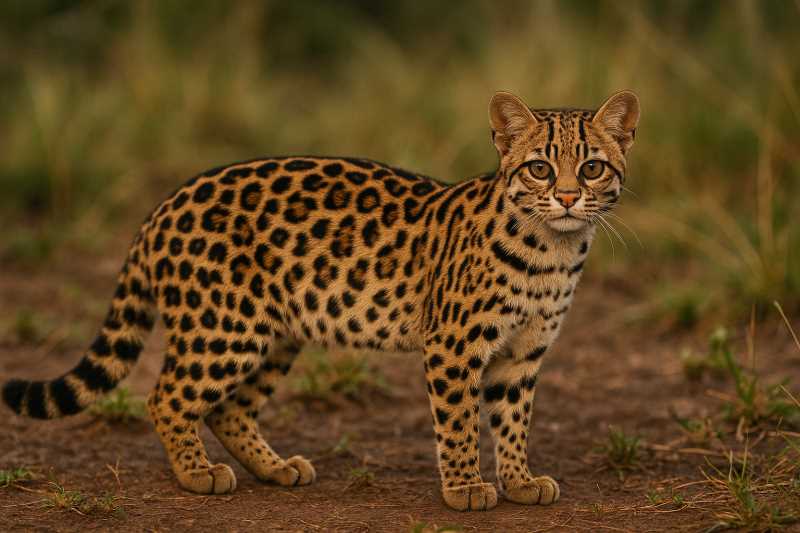
The Savanna Oncilla is a small cat, typically weighing between 1.5 to 3 kilograms (3.3 to 6.6 pounds) and measuring around 38 to 59 centimeters (15 to 23 inches) in body length, with an additional tail length of 20 to 42 centimeters (8 to 16 inches). Its coat is a striking blend of tawny to golden-yellow hues adorned with black rosettes and spots, providing excellent camouflage in its natural habitat. The underbelly and the inner sides of its legs are lighter in color, often white or cream.
This feline’s head is relatively small, with large, rounded ears that are black on the back with a central white spot, a common feature among many small wild cats. Its eyes are large and expressive, reflecting its nocturnal nature, with irises that range from golden to amber. The Savanna Oncilla’s agility and grace are evident in its long, slender legs and retractable claws, adaptations that assist in climbing and hunting.
Range and Habitat
The Savanna Oncilla is primarily found in the tropical and subtropical forests of Central and South America, with its range extending from Costa Rica and Panama in Central America to the Amazon Basin in northern Brazil. The species is also found in parts of Colombia, Venezuela, Guyana, Suriname, and French Guiana, thriving in diverse habitats such as dense rainforests, cloud forests, and savannas.
This adaptable felid prefers areas with dense vegetation that provide ample cover for stalking prey and avoiding predators. The Savanna Oncilla is often associated with higher elevations, although it can also be found at lower altitudes. Its presence is closely linked to the availability of prey species and suitable habitat, and it is often found near water sources such as rivers and streams.
Behavior and Diet
The Savanna Oncilla is predominantly nocturnal and solitary, with individuals maintaining distinct territories. These territories are marked using scent markings and vocalizations to communicate with neighboring cats. The Oncilla is an adept climber and often seeks refuge in trees, where it can rest or escape potential threats.
Its diet consists mainly of small mammals, birds, reptiles, and insects. Rodents and small marsupials are primary prey items, but the Oncilla is an opportunistic hunter, capable of taking down prey larger than itself when the opportunity arises. Its hunting technique involves stealthily approaching its target before launching a swift, precise attack.
Identification Tips (Field Recognition Cues)
Recognizing the Savanna Oncilla in the wild can be challenging due to its elusive nature and effective camouflage. However, certain features can aid in identification:
- Size and Shape: The Oncilla is a small cat with a slender body, long legs, and a relatively short tail.
- Coat Pattern: Look for the distinctive black rosettes and spots on a golden-yellow background.
- Ear Markings: The black ears with a central white spot are characteristic of the species.
- Behavior: Observing behavior such as climbing and nocturnal activity can provide clues.
Conservation Status (With Threats and Protections)
The Savanna Oncilla is currently classified as Vulnerable on the IUCN Red List. The primary threats to the species include habitat loss due to deforestation, agricultural expansion, and urbanization. Additionally, the illegal pet trade and hunting for fur pose significant risks to their populations.
Conservation efforts are underway to protect the Savanna Oncilla and its habitat. These include establishing protected areas, enforcing anti-poaching laws, and promoting sustainable land-use practices. Research and monitoring programs are essential to gather data on population trends and inform conservation strategies.
Frequently Asked Questions
What is the main habitat of the Savanna Oncilla?
The Savanna Oncilla primarily inhabits tropical and subtropical forests, including rainforests, cloud forests, and savannas, with a preference for areas with dense vegetation.
How does the Savanna Oncilla hunt its prey?
The Savanna Oncilla is an opportunistic hunter that uses stealth and agility to approach its prey before executing a swift and precise attack.
Are Savanna Oncillas endangered?
Yes, the Savanna Oncilla is classified as Vulnerable due to threats like habitat loss and poaching.
How can you identify a Savanna Oncilla?
Key identification features include its small size, golden-yellow coat with black rosettes and spots, and black ears with a central white spot.
What conservation efforts are being made for the Savanna Oncilla?
Efforts include habitat protection, anti-poaching measures, and research programs to monitor populations and inform conservation strategies.
Related posts