Introduction
The Indian Rufous Horseshoe Bat, scientifically known as Rhinolophus rouxii, is a fascinating species of bat that forms an integral part of the diverse mammalian fauna of South Asia. This species is distinguished by its distinctive horseshoe-shaped noseleaf, a characteristic feature of the Rhinolophidae family. Known for its echolocation abilities, the Indian Rufous Horseshoe Bat plays a crucial role in maintaining ecological balance by controlling insect populations. Despite its ecological importance, there is still much to uncover about this elusive creature, from its behavioral patterns to its conservation status.
Physical Description
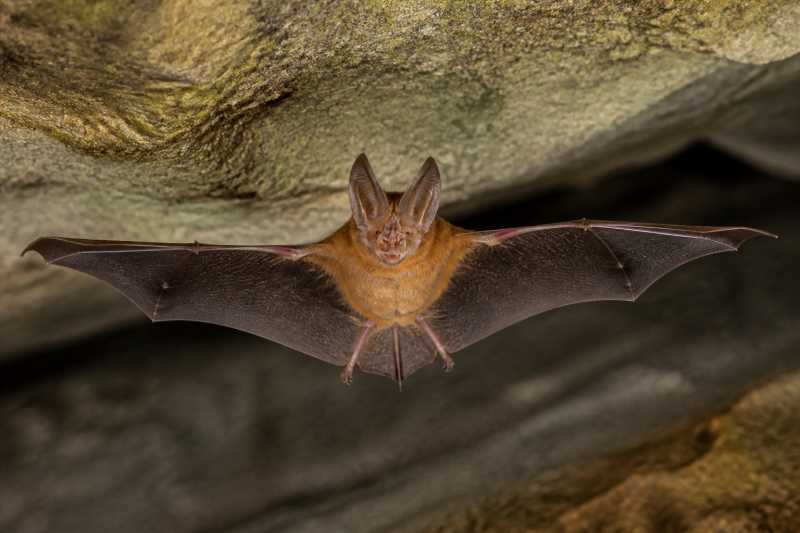
The Indian Rufous Horseshoe Bat is a medium-sized bat characterized by its rufous or reddish-brown fur, which gives it its common name. The fur is generally darker on the back and paler on the underside. The species exhibits a well-developed horseshoe-shaped structure on the nose, which aids in echolocation by directing emitted sound waves. This bat has broad wings adapted for agile flight through dense vegetation and cluttered environments.
The wingspan of the Indian Rufous Horseshoe Bat typically ranges from 30 to 35 centimeters, while the body length measures between 5 to 7 centimeters. The tail extends slightly beyond the interfemoral membrane, which is used for maneuvering in flight. The ears are large and rounded, supporting the bat’s acute sense of hearing necessary for detecting prey and navigating in darkness.
Range and Habitat
Rhinolophus rouxii is predominantly found across the Indian subcontinent, with its range extending from the foothills of the Himalayas to the southern tips of India. The species is also present in parts of Sri Lanka and Nepal. These bats inhabit a variety of environments, including tropical and subtropical forests, grasslands, and agricultural areas.
The Indian Rufous Horseshoe Bat shows a preference for roosting in caves, old buildings, tunnels, and other secluded structures that offer protection from predators and environmental extremes. These roosting sites are typically communal, housing several individuals, and provide a stable microclimate for resting during the day.
Behavior and Diet
The Indian Rufous Horseshoe Bat is predominantly nocturnal, emerging at dusk to forage for food. Echolocation is the primary method of navigation and hunting, with the bat emitting high-frequency calls that bounce off objects and return as echoes. This allows the bat to detect and capture prey with remarkable precision.
In terms of diet, this species primarily feeds on insects, including moths, beetles, and other small arthropods. Its feeding habits play a crucial role in controlling insect populations and contributing to agricultural pest management.
Socially, these bats are known to form small to large colonies, often comprising hundreds of individuals. They exhibit a hierarchical structure within colonies, and communication is facilitated through a variety of vocalizations, body postures, and grooming behaviors.
Identification Tips (Field Recognition Cues)
Identifying the Indian Rufous Horseshoe Bat in the field can be accomplished by observing the following features:
- Coloration: Look for the distinct rufous or reddish-brown fur, which is darker on the back and lighter on the belly.
- Noseleaf: The horseshoe-shaped noseleaf is a key characteristic, aiding in the identification of this bat among other species.
- Ears and Wings: Large, rounded ears and broad wings are indicative of the species.
- Habitat: Check potential roosting sites such as caves and abandoned buildings, especially in regions within its known range.
Conservation Status (with Threats and Protections)
The Indian Rufous Horseshoe Bat is currently listed as Least Concern by the International Union for Conservation of Nature (IUCN). However, like many bat species, it faces numerous threats that could impact its population in the future.
Threats:
- Habitat Destruction: Deforestation and land conversion for agriculture and urban development are primary threats, leading to loss of roosting and foraging habitats.
- Disturbance at Roosting Sites: Human activities such as cave tourism and vandalism can disrupt colonies and reduce breeding success.
- Pesticides: The use of pesticides in agriculture can reduce prey availability and lead to bioaccumulation of toxins in bats.
Protections:
Conservation efforts focus on habitat preservation, awareness campaigns, and legal protections for roosting sites. Protected areas and wildlife sanctuaries within its range offer some degree of security for the species.
Frequently Asked Questions
Q1: What do Indian Rufous Horseshoe Bats eat?
Indian Rufous Horseshoe Bats primarily feed on insects, such as moths and beetles. Their diet consists mostly of small arthropods, which they catch using echolocation.
Q2: Where can Indian Rufous Horseshoe Bats be found?
These bats are found in the Indian subcontinent, including India, Sri Lanka, and Nepal. They inhabit forests, grasslands, and areas with abundant vegetation.
Q3: How do Indian Rufous Horseshoe Bats use echolocation?
They emit high-frequency sound waves through their nose, which bounce off objects and return as echoes. This helps them navigate and locate prey in complete darkness.
Q4: Are Indian Rufous Horseshoe Bats endangered?
Currently, they are listed as Least Concern by the IUCN but face threats like habitat loss and human disturbance that could affect their population.
Q5: How can one identify an Indian Rufous Horseshoe Bat?
Look for the rufous coloration, horseshoe-shaped noseleaf, large ears, and broad wings. They are often found roosting in caves and old buildings.
Related posts