Introduction
The Greater Naked-tailed Armadillo (Cabassous tatouay) is a remarkable mammalian species that has intrigued scientists and nature enthusiasts alike. Known for its distinctive appearance and secretive nature, this armadillo belongs to the family Chlamyphoridae. It is primarily found in South America, where it plays a vital role in the ecosystem. In this article, we will explore various aspects of the Greater Naked-tailed Armadillo, including its physical characteristics, habitat, behavior, and conservation status.
Physical Description
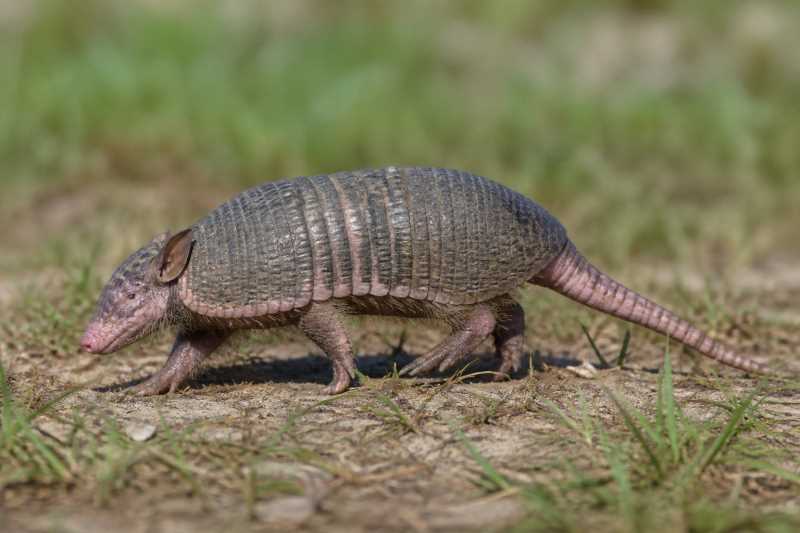
The Greater Naked-tailed Armadillo is a medium-sized armadillo species, with adults typically measuring between 35 to 45 centimeters in length, excluding the tail, which adds another 10 to 15 centimeters. It weighs around 3 to 6 kilograms. This species is characterized by its unique armor-like shell, which is made up of bony plates covered by a leathery skin. The shell is segmented, allowing the armadillo flexibility as it moves.
What sets the Greater Naked-tailed Armadillo apart from other armadillos is its distinctive tail. Unlike other species that have a fully armored tail, the Greater Naked-tailed Armadillo’s tail is mostly bare, giving the appearance of being "naked." Its coloration varies from light brown to gray, which provides excellent camouflage against the forest floor.
Range and Habitat
The Greater Naked-tailed Armadillo is native to a broad region of South America, including countries such as Brazil, Argentina, Paraguay, and Uruguay. It thrives in a variety of habitats, from tropical rainforests to savannas and grasslands. This adaptability to different environmental conditions has allowed it to maintain a relatively widespread distribution.
Preferring areas with soft soil, the Greater Naked-tailed Armadillo is an adept digger. It creates burrows for shelter and foraging, which are essential for its survival. These burrows also provide refuge from predators and extreme weather conditions.
Behavior and Diet
A solitary and nocturnal creature, the Greater Naked-tailed Armadillo is most active during the night. It spends its time foraging for food, which consists mainly of insects, larvae, and other invertebrates. Its keen sense of smell aids in locating prey beneath the ground. Occasionally, it supplements its diet with small vertebrates and plant matter.
The armadillo’s powerful claws and strong forelimbs are adapted for digging, making it an efficient hunter of subterranean prey. It can quickly excavate soil to uncover ants, termites, and grubs.
Identification Tips (Field Recognition Cues)
Identifying the Greater Naked-tailed Armadillo in the wild can be challenging due to its elusive nature. However, some key features can aid in its identification:
- Distinctive Tail: Look for the mostly bare tail, which differentiates it from other armadillos.
- Size and Shape: Note the medium size and the segmented shell that allows for bending.
- Burrowing Signs: Freshly dug burrows with distinct claw marks might indicate its presence.
- Tracks and Scat: Armadillo tracks are unique, showing four clawed toes on the forefeet and five on the hind feet.
Conservation Status (With Threats and Protections)
The Greater Naked-tailed Armadillo is currently listed as "Least Concern" by the International Union for Conservation of Nature (IUCN). However, it faces several threats that could impact its population stability.
Threats:
- Habitat Loss: Deforestation and agricultural expansion are leading to habitat destruction.
- Hunting: In some regions, armadillos are hunted for their meat and shell.
- Road Mortality: As human infrastructure expands, roadkill incidents have increased.
Protections:
- Establishment of protected areas helps conserve natural habitats.
- Environmental laws in some countries restrict hunting and trade of armadillos.
Frequently Asked Questions
What does the Greater Naked-tailed Armadillo eat?
The Greater Naked-tailed Armadillo primarily feeds on insects, larvae, and other invertebrates. It uses its strong sense of smell to locate prey underground.
Where can I find the Greater Naked-tailed Armadillo?
This species is found in South America, with its range extending across Brazil, Argentina, Paraguay, and Uruguay, often in forests, savannas, and grasslands.
Is the Greater Naked-tailed Armadillo endangered?
Currently, the Greater Naked-tailed Armadillo is classified as "Least Concern" by the IUCN, but it faces threats like habitat loss and hunting.
How can I identify a Greater Naked-tailed Armadillo?
Look for its medium size, segmented shell, and the distinctive mostly bare tail. Burrows and specific tracks can also indicate its presence.
What are the main threats to the Greater Naked-tailed Armadillo?
The main threats include habitat loss due to deforestation, hunting, and road mortality as human activities expand into their habitats.
Related posts