Long-tailed Planigale (Planigale ingrami): A Detailed Look at the World’s Smallest Marsupial
Introduction
The Long-tailed Planigale (Planigale ingrami) is a fascinating and unique marsupial found in Australia. Known for its incredibly small size and distinctive physical features, this tiny creature is a member of the Dasyuridae family. Despite its diminutive stature, the Long-tailed Planigale plays a crucial role in its ecosystem and offers a remarkable example of adaptation and survival in some of Australia’s harshest environments. This article aims to provide an in-depth analysis of the Long-tailed Planigale, covering its physical description, range and habitat, behavior and diet, as well as its conservation status.
Physical Description
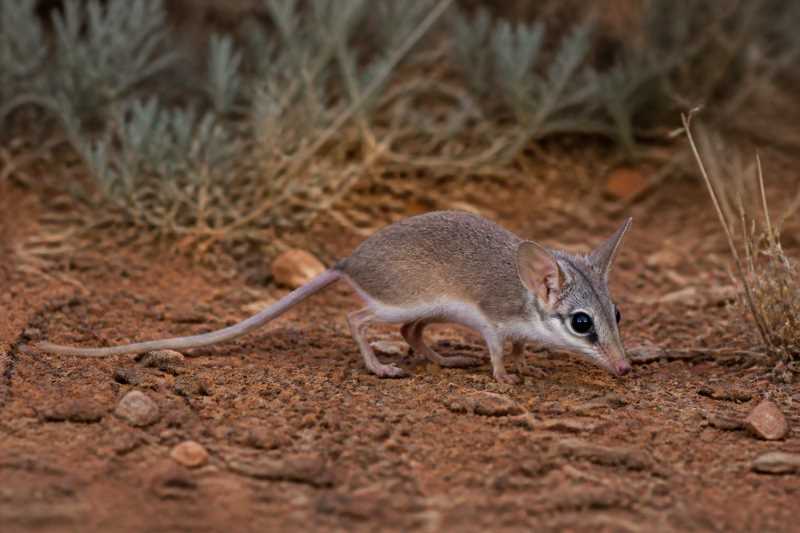
The Long-tailed Planigale is renowned for being one of the smallest marsupials in the world. Adult Long-tailed Planigales typically weigh between 4.3 to 6.5 grams and have a body length ranging from 55 to 65 millimeters, with a tail measuring 70 to 75 millimeters. This gives them an elongated appearance, accentuated by their long, slender tails.
One of the most distinctive features of the Long-tailed Planigale is its flattened head, which measures only about 3 millimeters in height. This adaptation allows it to navigate and hunt in narrow crevices and under leaf litter, giving it an advantage in its preferred habitats. Their fur is generally a reddish-brown to grayish color, providing excellent camouflage against the dry, arid environments they inhabit.
Range and Habitat
The Long-tailed Planigale is endemic to Australia, with its range extending across the northern regions of the continent. They are particularly prevalent in the arid and semi-arid zones of Queensland, the Northern Territory, and Western Australia. These marsupials are highly adaptable and can be found in a variety of habitats, including savannas, grasslands, and woodlands, often preferring areas with loose, sandy soils.
Their habitats are characterized by sparse vegetation and extreme climatic conditions, requiring the Long-tailed Planigale to be highly resilient. They thrive in environments with extreme temperature variations and low water availability, utilizing their small size and unique physical adaptations to survive.
Behavior and Diet
Long-tailed Planigales are primarily nocturnal, spending the majority of their active time hunting for food during the night. They are carnivorous, with a diet primarily consisting of small invertebrates such as insects, spiders, and occasionally small vertebrates. Their flattened head and slender body allow them to penetrate tight spaces in search of prey, making them efficient hunters.
These marsupials are solitary creatures, with each individual maintaining its own territory. They communicate with each other through scent markings and vocalizations, particularly during the breeding season. Breeding typically occurs during the wet season when food is more abundant, with females giving birth to litters of two to twelve young after a short gestation period.
Identification Tips
Identifying the Long-tailed Planigale in the field can be challenging due to its small size and cryptic nature. However, there are several key characteristics to look for:
- Size and Shape: Look for a very small marsupial with a long, slender tail. The overall body size is comparable to a small mouse.
- Flattened Head: The most distinguishing feature is the flattened head, which is significantly lower than the rest of the body.
- Fur Color: Their fur is typically a reddish-brown to grayish color, which blends well with their natural surroundings.
- Active Periods: They are primarily nocturnal, so sightings are more likely during the night.
- Habitat Preference: Look for them in arid and semi-arid regions with loose, sandy soils, particularly in northern Australia.
Conservation Status
The Long-tailed Planigale is currently listed as a species of Least Concern by the International Union for Conservation of Nature (IUCN). However, like many native Australian species, they face threats from habitat destruction and climate change. Increased agricultural activity and land clearing have led to habitat fragmentation, impacting their natural range.
Predation by introduced species such as cats and foxes also poses a threat to their population. Conservation efforts focused on habitat preservation and predator control are essential to ensure the continued survival of the Long-tailed Planigale. Protected areas and wildlife reserves play a crucial role in providing safe habitats for these unique marsupials.
Frequently Asked Questions
What is the average lifespan of a Long-tailed Planigale?
The average lifespan of a Long-tailed Planigale in the wild is approximately 1 to 2 years. Their short lifespan is typical for small marsupials, which often face high predation rates and environmental challenges.
How do Long-tailed Planigales survive in arid environments?
Long-tailed Planigales have adapted to arid environments through their small size and physical adaptations, allowing them to access food in narrow spaces and conserve water. They are also nocturnal, which helps them avoid daytime heat.
Are Long-tailed Planigales social animals?
No, Long-tailed Planigales are solitary animals. They maintain individual territories and primarily come together during the breeding season. Communication occurs through scent markings and vocalizations.
How can you distinguish a Long-tailed Planigale from other small marsupials?
The Long-tailed Planigale can be distinguished by its exceptionally small size, long tail, and notably flattened head. Its reddish-brown to grayish fur also provides a distinctive field marking.
What conservation measures are in place for Long-tailed Planigales?
Conservation measures for Long-tailed Planigales include habitat protection, predator control, and maintaining biodiversity in their native range. These efforts help mitigate the impacts of habitat loss and introduced predators.
Related posts