The Vibrant Saffron Finch: A Closer Look at Sicalis flaveola
Introduction
The Saffron Finch (Sicalis flaveola), with its vibrant yellow plumage and melodious song, is a captivating bird species native to South America. Known for its adaptability and striking appearance, the Saffron Finch has also become a popular aviary bird across the globe. This article delves into the characteristics, habitat, and behavior of this remarkable species, providing insights into its role in both natural ecosystems and human environments.
Physical Characteristics
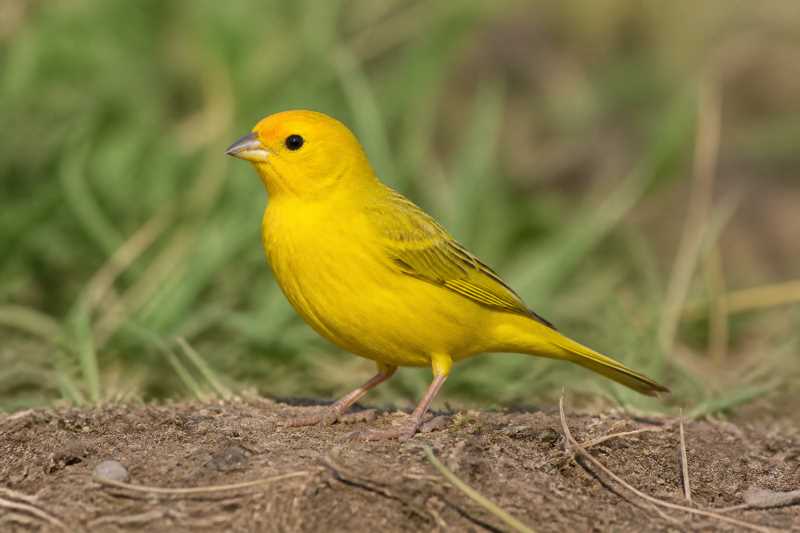
The Saffron Finch is a small passerine bird, typically measuring around 13 to 15 centimeters in length and weighing between 15 to 20 grams. Its most distinguishing feature is its bright yellow plumage, which is particularly vivid in males. The males may also exhibit an orange hue on their crown and face, adding to their striking appearance. Females and juveniles, while similar in size, generally have a more subdued yellow coloration, often mixed with olive tones, making them slightly less conspicuous.
The finch’s beak is short and conical, perfectly adapted for cracking seeds. Its legs and feet are pinkish, and it has a relatively short tail compared to other finch species. The Saffron Finch’s eyes are dark and expressive, adding to its charm.
Habitat and Distribution
Sicalis flaveola is native to a wide range of environments across South America, including countries such as Brazil, Colombia, Venezuela, and Argentina. It thrives in open and semi-open habitats, such as savannas, grasslands, and urban areas. The bird’s adaptability has also allowed it to establish populations in non-native regions, including Hawaii and parts of the Caribbean, where it was introduced by humans.
The Saffron Finch’s preference for open spaces makes it a frequent visitor to parks, gardens, and agricultural lands, where it can often be seen foraging for seeds. Its ability to adapt to various environments has contributed to its stable population across its native and introduced ranges.
Behavior and Diet
Saffron Finches are social birds, often seen in pairs or small flocks. They are known for their cheerful and melodious song, which males use to attract mates and establish territory. The song is a series of high-pitched trills and notes that can be heard throughout the day, especially during the breeding season.
The diet of the Saffron Finch primarily consists of seeds, which they skillfully crack open with their strong beaks. They are also known to consume insects, particularly during the breeding season when they require additional protein to feed their young. Their feeding habits make them important seed dispersers in their natural habitats, contributing to plant diversity and ecosystem health.
Breeding and Nesting
Breeding season for the Saffron Finch generally occurs during the warmer months, although this can vary depending on the region. The birds are monogamous, forming strong pair bonds during the breeding season. Males play an active role in courtship, displaying their bright plumage and singing to attract a mate.
Nests are typically built in tree cavities, abandoned nests of other birds, or even in man-made structures. The female lays a clutch of 3 to 5 eggs, which she incubates for about 13 to 14 days. Both parents participate in feeding the chicks, providing them with a diet rich in insects and seeds. The chicks fledge after approximately two weeks, but they may remain with their parents for some time before becoming fully independent.
Conservation Status
The Saffron Finch is currently listed as a species of Least Concern by the International Union for Conservation of Nature (IUCN). This classification is due to its wide distribution and stable population trends. However, habitat destruction and the illegal pet trade pose potential threats to certain populations, highlighting the need for ongoing conservation efforts and habitat protection.
Efforts to conserve this species focus on preserving natural habitats and regulating the trade of wild-caught birds. Additionally, public awareness and education campaigns help promote the importance of protecting these vibrant creatures in their natural environments.
Conclusion
The Saffron Finch is a fascinating species that captivates bird enthusiasts and casual observers alike with its stunning appearance and delightful song. Its adaptability and resilience have allowed it to thrive in diverse environments, from the savannas of South America to urban gardens worldwide. As we continue to appreciate the beauty and ecological importance of the Saffron Finch, it is crucial to ensure the protection of its habitats and to promote responsible practices in both aviculture and conservation.
By understanding and valuing the role of species like the Saffron Finch in our ecosystems, we can foster a deeper appreciation for the natural world and work towards preserving its diversity for future generations.
Related posts