Introduction
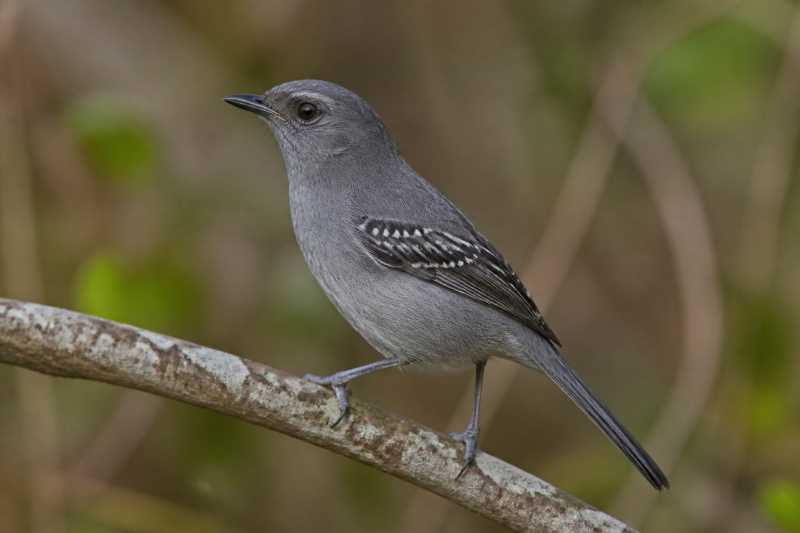
The Mouse-colored Antshrike (Thamnophilus murinus) is a captivating bird species belonging to the family Thamnophilidae. Known for its unique vocalizations and distinctive plumage, this bird has piqued the interest of ornithologists and birdwatchers alike. Found primarily in South America, the Mouse-colored Antshrike plays a vital role in the ecosystem, contributing to the complex dynamics of tropical forest habitats. This article delves into the features, habitat, behavior, and conservation status of this fascinating bird.
Physical Characteristics
The Mouse-colored Antshrike is a small, robust bird, measuring approximately 16 to 18 centimeters in length. Its plumage is predominantly gray-brown, resembling the color of a common mouse, which is how it derives its name. The bird exhibits sexual dimorphism, where males and females differ in appearance. Males are slightly darker, with subtle black markings on their wings and tail, while females tend to have a warmer brown tone. The eyes of both sexes are striking, with a vivid red or brown hue that contrasts with their muted plumage.
The bird’s beak is strong and hooked, adapted for its insectivorous diet. The wings are rounded, facilitating maneuverability through dense forest undergrowth, while the tail is relatively long, aiding in balance and agility.
Habitat and Distribution
The Mouse-colored Antshrike is native to the lowland forests of the northern Amazon Basin. Its range extends across several countries, including Brazil, Colombia, Venezuela, Ecuador, Peru, and Bolivia. This species thrives in tropical and subtropical moist lowland forests, often inhabiting the middle to lower strata of the forest canopy.
Preferring areas with thick underbrush and dense foliage, the Mouse-colored Antshrike can be challenging to spot. However, its distinctive calls often give away its presence. The bird is known to inhabit secondary forests and edge habitats, demonstrating a degree of adaptability to habitat changes.
Behavior and Diet
The Mouse-colored Antshrike is primarily insectivorous, feeding on a variety of arthropods, including ants, beetles, spiders, and caterpillars. It employs a methodical foraging strategy, moving through foliage and probing bark crevices to uncover prey. The bird often joins mixed-species flocks, benefitting from the increased foraging efficiency and protection from predators that these groups provide.
Vocal communication is an essential aspect of the Mouse-colored Antshrike’s behavior. The bird produces a series of sharp, melodious whistles and trills that can be heard echoing through its forest habitat. These vocalizations are used for territory defense and mate attraction. Males are particularly vocal during the breeding season, establishing and maintaining territories through song.
Breeding and Reproduction
The breeding season of the Mouse-colored Antshrike varies geographically but generally occurs during the wet season when food resources are abundant. The species builds a cup-shaped nest, often constructed from leaves, twigs, and other plant materials. The nest is typically located in the lower forest strata, concealed in dense vegetation to protect against predators.
Both males and females participate in nest building and incubation of the eggs. Clutch size is usually two to three eggs, with both parents sharing responsibilities for feeding and caring for the young. The chicks are born altricial, requiring significant parental investment before fledging.
Conservation Status and Threats
The International Union for Conservation of Nature (IUCN) currently lists the Mouse-colored Antshrike as a species of Least Concern. Despite this, the bird faces potential threats from habitat loss and fragmentation due to deforestation and agricultural expansion. The conversion of forested areas into farmland and urban spaces reduces available habitat and resources for the species.
Conservation efforts aimed at preserving tropical forest ecosystems are crucial for the continued survival of the Mouse-colored Antshrike. Protected areas and reserves provide safe havens for this species, ensuring that populations remain stable. Additionally, promoting sustainable land-use practices can help mitigate the impact of human activities on their habitat.
Conclusion
The Mouse-colored Antshrike is a remarkable bird that exemplifies the rich biodiversity of tropical forest ecosystems. Its adaptability, vocal prowess, and role within the avian community highlight the intricate relationships that define these habitats. While currently not facing immediate threats, it remains essential to monitor and preserve its environment to ensure that future generations can continue to appreciate this unique species.
By fostering an understanding and appreciation of the Mouse-colored Antshrike, we can contribute to broader conservation efforts that protect the incredible diversity of life found within our planet’s forests.
Related posts