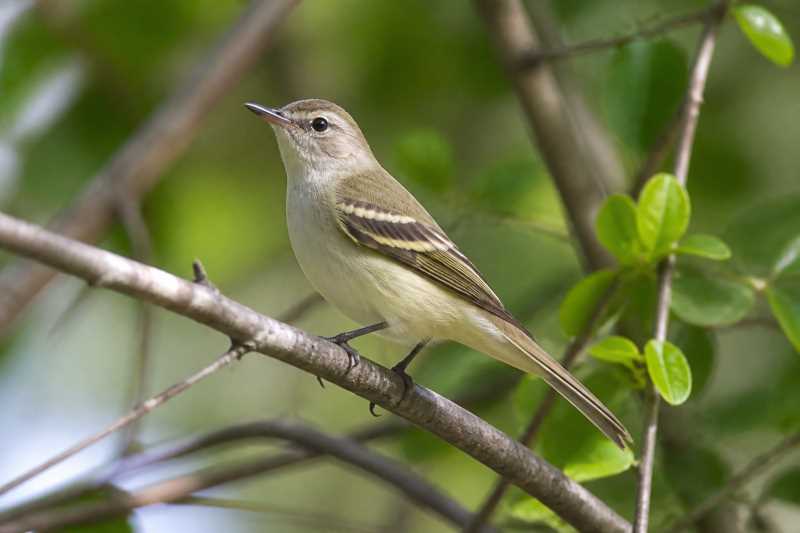
Buff-banded Tyrannulet: A Detailed Exploration of Mecocerculus hellmayri
The Buff-banded Tyrannulet (Mecocerculus hellmayri) is a small, yet remarkable bird species belonging to the Tyrannidae family, which is renowned for its diverse and complex avian members. With its understated elegance and unique ecological role, this species offers fascinating insights into the dynamics of neotropical ecosystems. This article aims to provide an in-depth examination of the Buff-banded Tyrannulet, exploring its taxonomy, physical characteristics, habitat preferences, behavior, and conservation status.
Taxonomy and Classification
The Buff-banded Tyrannulet is classified under the genus Mecocerculus, which comprises a small group of flycatchers. The species name ‘hellmayri’ honors the German ornithologist Carl Eduard Hellmayr, who made significant contributions to the study of South American birds. This bird is one of several in the Mecocerculus genus, all of which are distinguished by their svelte bodies, short bills, and relatively long tails.
The Tyrannidae family, commonly known as tyrant flycatchers, is the largest family of birds in the Americas, with over 400 species. This family is characterized by their adept flying abilities and insectivorous diets. The Buff-banded Tyrannulet, like its relatives, plays a crucial role in controlling insect populations, thus maintaining ecological balance.
Physical Characteristics
The Buff-banded Tyrannulet is a small bird, typically measuring between 11 to 12 centimeters in length and weighing around 7 to 10 grams. Its plumage is primarily olive-green with a distinctive buff-colored band across the chest, from which its common name is derived. The bird’s underparts are paler, often appearing whitish or light gray, which provides a subtle contrast to its darker upperparts.
One of the most striking features of the Buff-banded Tyrannulet is its long tail, which is often seen flicking as the bird moves through its environment. The wings are short and rounded, facilitating agile flight through dense vegetation. The bird’s small, slightly hooked bill is perfectly adapted for capturing insects, its primary food source.
Habitat and Distribution
The Buff-banded Tyrannulet inhabits montane forests and shrublands within the Andean region, stretching from Venezuela in the north to Bolivia in the south. It is typically found at elevations ranging from 1,800 to 3,500 meters, favoring humid environments with dense foliage.
These birds are especially common in cloud forests, where the moisture-rich environment supports a diverse array of insect life. The Buff-banded Tyrannulet is also known to inhabit secondary forests and edges of clearings, demonstrating some flexibility in habitat preference, although it remains dependent on forested areas for feeding and breeding.
Behavior and Ecology
Buff-banded Tyrannulets are primarily insectivorous, feeding on various arthropods, including beetles, flies, and caterpillars. They exhibit a foraging behavior known as ‘gleaning,’ where they pick off insects from foliage, branches, and tree bark. This method is both efficient and effective, allowing the birds to exploit food resources throughout their territory.
These birds are generally observed alone or in pairs, although they may occasionally join mixed-species foraging flocks. Such associations are beneficial as they increase feeding efficiency and provide protection from predators through increased vigilance.
In terms of vocalizations, the Buff-banded Tyrannulet is known for its sharp, distinctive calls, which play a crucial role in territory establishment and mate attraction. The vocal repertoire of this species, while not as elaborate as some of its relatives, is nonetheless an important aspect of its behavioral ecology.
Breeding and Reproduction
Breeding in Buff-banded Tyrannulets typically occurs during the wet season, when food resources are abundant. The species is known for its monogamous pair bonds, with both parents participating in nest building and chick rearing.
Nests are typically cup-shaped and constructed from fine plant materials. They are strategically placed in the fork of a branch or among dense foliage to provide camouflage from predators. The female usually lays two eggs, which are incubated for approximately 14 days. After hatching, both parents are involved in feeding the chicks until they fledge, which occurs after about two to three weeks.
Conservation Status
Currently, the Buff-banded Tyrannulet is classified as Least Concern by the International Union for Conservation of Nature (IUCN). Despite this relatively secure status, the species faces potential threats from habitat loss and fragmentation, primarily due to agriculture and logging activities in the Andean region.
Conservation efforts for the Buff-banded Tyrannulet must focus on preserving and restoring its montane forest habitats. This includes promoting sustainable land-use practices and establishing protected areas to safeguard critical ecosystems.
Conclusion
The Buff-banded Tyrannulet is a vital component of the Andean montane ecosystems, playing an important role in insect population control and serving as an indicator of environmental health. While currently not threatened, ongoing conservation efforts are essential to ensuring its continued survival amidst the challenges posed by habitat degradation. As we continue to study and appreciate the intricate dynamics of neotropical bird species, the Buff-banded Tyrannulet stands as a testament to the rich biodiversity of the Andean region.
By increasing awareness and understanding of this species, we can contribute to its preservation and the overall health of the ecosystems it inhabits, ultimately ensuring that future generations can also marvel at the beauty and ecological significance of the Buff-banded Tyrannulet.
Related posts