Introduction
Aellen’s Roundleaf Bat, scientifically known as Hipposideros marisae, is a fascinating species of bat that belongs to the family Hipposideridae. This lesser-known mammal is notable for its distinctive round leaf-like nose, which is a characteristic feature of the genus Hipposideros. The species was first described by the Swiss zoologist Paul Aellen in 1954, and it has since intrigued researchers and bat enthusiasts alike. Despite its relatively obscure status in the animal kingdom, Aellen’s Roundleaf Bat plays a crucial role in the ecosystems it inhabits, primarily through its insectivorous diet, which helps control insect populations.
Physical Description
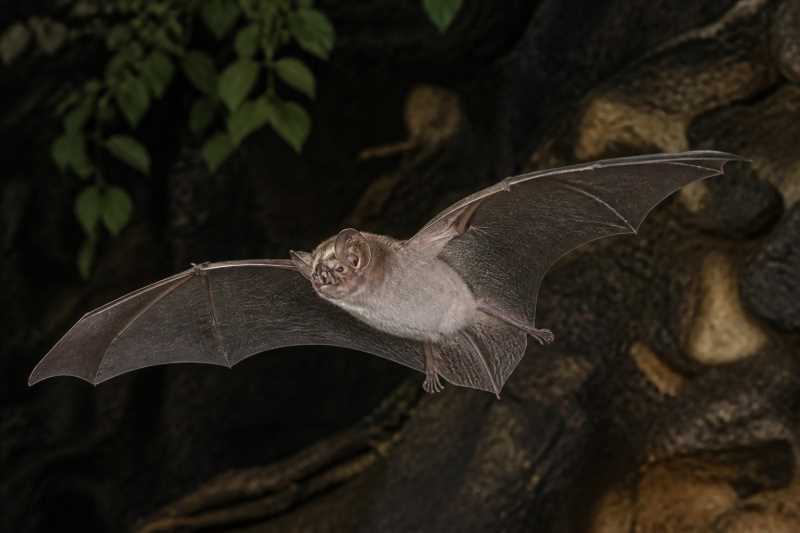
Aellen’s Roundleaf Bat is a small to medium-sized bat, with a forearm length ranging from 45 to 60 millimeters and a body weight between 9 and 20 grams. The bat’s most distinctive feature is its nose, which has a round, leaf-like structure that aids in echolocation. This nose-leaf is not only functional but also serves as a key identification feature for species in the Hipposideros genus.
The bat’s fur is typically a shade of brown, with variations from light to dark depending on the individual and the environment. Its wings are long and narrow, adapted for agile flight and efficient maneuvering through cluttered environments such as dense forests. The ears are relatively large and rounded, further enhancing its echolocation capabilities by capturing sound waves more effectively.
Range and Habitat
Aellen’s Roundleaf Bat is primarily found in the tropical regions of West Africa. Countries where this species has been recorded include Sierra Leone, Liberia, and Ivory Coast. These bats are typically associated with forested habitats, including both primary and secondary forests. They prefer areas with dense canopy cover that offer abundant insect prey and suitable roosting sites.
The bats roost in a variety of locations, often choosing caves, hollow trees, and man-made structures such as abandoned buildings. These roosting sites provide shelter from predators and harsh weather conditions, making them essential for the bat’s survival.
Behavior and Diet
Aellen’s Roundleaf Bat is primarily nocturnal, emerging at dusk to begin foraging for food. The diet of this bat consists mainly of insects, which it catches in flight using its sophisticated echolocation system. The roundleaf nose structure plays a crucial role in this, allowing the bat to produce and receive sound waves that help it navigate and hunt in the dark.
The bat’s echolocation calls are adapted to its environment, with frequency modulations that allow it to distinguish between different types of prey and avoid obstacles. Socially, Aellen’s Roundleaf Bats are known to form small colonies, which can range from a few individuals to several dozen. These colonies typically consist of a mix of males and females, and they often exhibit complex social behaviors and communication.
Identification Tips (field recognition cues)
Identifying Aellen’s Roundleaf Bat in the field can be challenging due to its elusive nature and the diversity of bat species in its range. However, there are several key characteristics to look for:
- Round Leaf-Like Nose: The most distinctive feature is the round, leaf-like structure on the nose, which is a hallmark of the Hipposideros genus.
- Size and Fur Color: Look for a small to medium-sized bat with brown fur. The exact shade can vary, but it typically ranges from light to dark brown.
- Echolocation Calls: With the right equipment, listening for the bat’s unique echolocation calls can help with identification.
- Roosting Habits: Observing the bat’s roosting sites, such as caves or hollow trees, can also aid in identification.
Conservation Status (with threats and protections)
As of the latest assessments, Aellen’s Roundleaf Bat is listed as "Data Deficient" by the International Union for Conservation of Nature (IUCN). This status indicates that there is insufficient information to make a direct assessment of its risk of extinction.
Several threats potentially impact this species, including habitat destruction due to logging, agricultural expansion, and human settlement. These activities lead to the fragmentation and loss of suitable habitats, which can have severe consequences for the bat’s survival.
Conservation efforts are essential to ensure the longevity of Aellen’s Roundleaf Bat populations. Protecting forest habitats, establishing protected areas, and conducting further research to fill knowledge gaps are crucial steps in this regard. Additionally, raising awareness about the importance of bats in ecosystems can help garner support for their conservation.
Frequently Asked Questions
- What is the diet of Aellen’s Roundleaf Bat?
Aellen’s Roundleaf Bat primarily feeds on insects, utilizing its advanced echolocation abilities to hunt and capture prey in flight. Its diet includes a variety of insects, which it catches during its nocturnal foraging activities.
- Where can Aellen’s Roundleaf Bat be found?
This species is native to West Africa, with sightings reported in countries like Sierra Leone, Liberia, and Ivory Coast. It inhabits tropical forest regions, preferring areas with dense canopy cover.
- How does Aellen’s Roundleaf Bat use echolocation?
The bat uses its round leaf-like nose structure to produce echolocation calls, which help it navigate and hunt in the dark. The calls are adapted to detect different types of prey and avoid obstacles in its environment.
- What are the main threats to Aellen’s Roundleaf Bat?
The primary threats include habitat destruction due to logging, agricultural expansion, and human settlement. These activities lead to habitat fragmentation and loss, posing significant risks to the species.
- How can we help conserve Aellen’s Roundleaf Bat?
Conservation efforts should focus on protecting forest habitats, establishing protected areas, and conducting research to better understand the species. Public awareness campaigns can also help highlight the importance of bats in ecosystems.
Related posts