Introduction
The Black-and-red Free-tailed Bat, scientifically known as Mops jobimena, is a fascinating species belonging to the family Molossidae. This species is known for its distinct coloration and swift flight, which are characteristic of the free-tailed bats. With a growing interest in biodiversity and conservation, the Black-and-red Free-tailed Bat has become a subject of study for many researchers and wildlife enthusiasts. This article delves into the various aspects of this intriguing mammal, from its physical characteristics to its habitat, behavior, and conservation status.
Physical Description
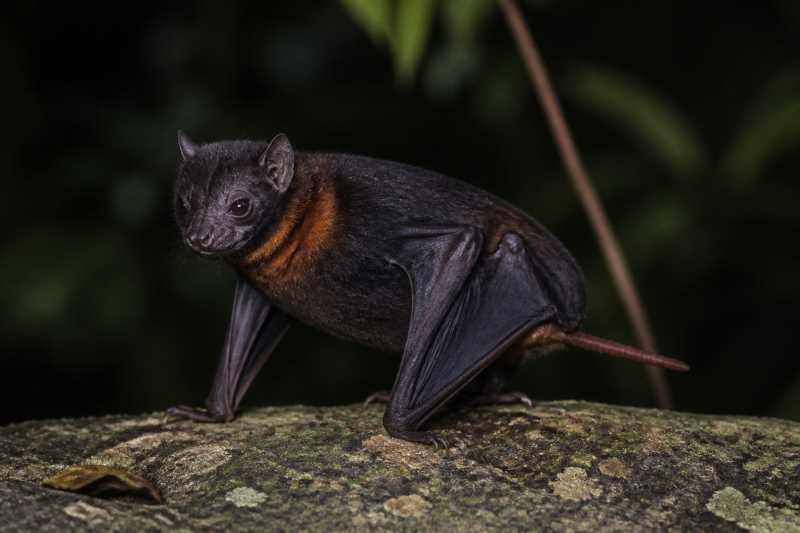
The Black-and-red Free-tailed Bat is a medium-sized bat with a unique appearance that sets it apart from other species. As its name suggests, this bat exhibits a striking black and red coloration. The fur on its back is predominantly black, while its underparts display a reddish hue. This contrasting coloration aids in identification and might play a role in its ecological interactions.
The bat’s body is robust, with a wingspan that typically ranges from 30 to 35 centimeters. It has long, narrow wings that facilitate fast and agile flight, a characteristic feature of free-tailed bats. The tail extends beyond the interfemoral membrane, giving the species its "free-tailed" designation. The ears are relatively small and rounded, while the muzzle is short and broad, equipped with sharp teeth adapted for an insectivorous diet.
Range and Habitat
Mops jobimena is primarily found in Madagascar, where it inhabits a variety of ecosystems. Its range extends across different altitudes, from lowland forests to higher elevation regions. This adaptability to various environments reflects the species’ ecological versatility.
The bat prefers roosting in caves, crevices, and sometimes in buildings, where it can find shelter and protection. The availability of suitable roosting sites is crucial for the bat’s survival, as these locations provide safety from predators and harsh weather conditions. The presence of these bats in both natural and anthropogenic habitats indicates their ability to coexist with human activities.
Behavior and Diet
Black-and-red Free-tailed Bats are primarily nocturnal creatures, emerging at dusk to embark on their nightly foraging expeditions. Their flight is swift and direct, allowing them to cover large areas in search of food. These bats are insectivorous, feeding on a variety of insects, including moths, beetles, and flies. Their diet plays a significant role in controlling insect populations, making them valuable contributors to their ecosystems.
Socially, these bats tend to roost in colonies, which may vary in size depending on the availability of roosting sites and food resources. The colony structure facilitates communication and social interactions, which are vital for the bats’ survival and reproduction.
Identification Tips (Field Recognition Cues)
Identifying the Black-and-red Free-tailed Bat in the field requires attention to several key characteristics:
- Coloration: Look for the distinctive black and reddish coloration of the fur, which is a primary identifier.
- Size and Shape: Note the medium size and elongated wings that are typical of free-tailed bats.
- Tail: Observe the tail extending beyond the interfemoral membrane.
- Flight Pattern: Watch for the fast, direct flight pattern typical of this species.
- Roosting Habits: Check caves, crevices, and buildings for colonies.
Conservation Status (With Threats and Protections)
The conservation status of the Black-and-red Free-tailed Bat is currently not well-documented, largely due to the lack of comprehensive studies. However, like many bat species, it faces threats from habitat destruction, particularly from deforestation and land-use changes in Madagascar.
Conservation efforts are essential to protect this species, focusing on preserving natural habitats and roosting sites. Protecting caves and minimizing disturbances in known roosting areas can help sustain the bat populations. Additionally, raising awareness about the ecological role of bats can foster community support for conservation initiatives.
Frequently Asked Questions
Why is this species unique?
The Black-and-red Free-tailed Bat is unique due to its distinct coloration, which is not commonly found in other bat species. Its ability to adapt to various habitats and its role in insect population control further highlight its ecological significance.
What are the main threats to its survival?
The primary threats to the survival of Mops jobimena include habitat destruction, particularly due to deforestation and urbanization in Madagascar. These activities reduce the availability of natural roosting sites and foraging areas.
How can we help in its conservation?
Conservation efforts can be supported by protecting natural habitats, advocating for sustainable land-use practices, and promoting research to better understand the species’ ecology and needs. Educating local communities about the importance of bats can also contribute to conservation success.
What role does this bat play in the ecosystem?
As an insectivorous bat, Mops jobimena plays a crucial role in controlling insect populations, thereby contributing to the balance of ecosystems. It helps in reducing the numbers of agricultural pests, providing an ecological service that benefits both natural and human-altered environments.
Related posts