Stoliczka’s Trident Bat: A Comprehensive Guide
Introduction
Stoliczka’s Trident Bat (Aselliscus stoliczkanus) is a remarkable species of bat belonging to the family Hipposideridae. Known for its distinct facial features and unique trident nose-leaf, this bat species inhabits a range of environments across Southeast Asia. First described by the entomologist Ferdinand Stoliczka in the 19th century, the Stoliczka’s Trident Bat plays a crucial role in its ecosystem, primarily through its diet and pollination activities. Despite its ecological importance, the species faces several threats that have impacted its conservation status. This article delves into various aspects of the Stoliczka’s Trident Bat, providing insights into its physical characteristics, habitat, behavior, and more.
Physical Description
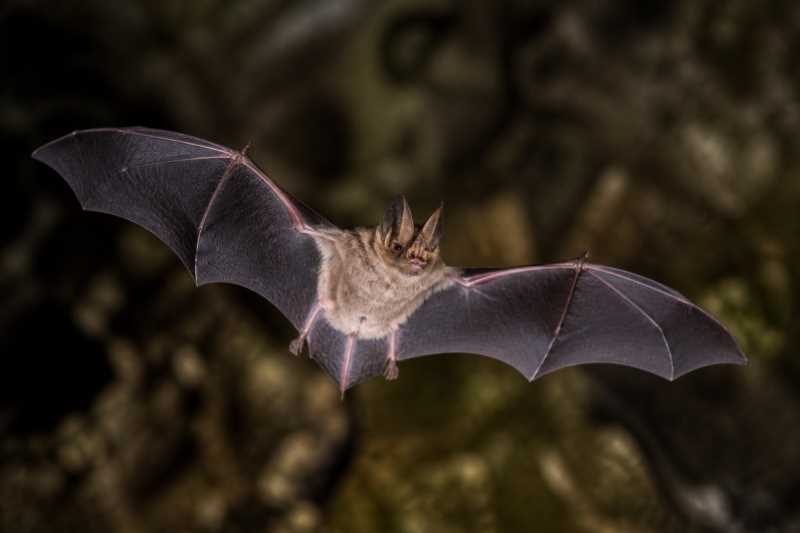
The Stoliczka’s Trident Bat is a small to medium-sized bat distinguished by its unique nose-leaf structure, which resembles a trident. This feature not only aids in echolocation but also sets it apart from other bat species. Typically, the bat’s fur is a shade of brown or grey, offering camouflage within its natural surroundings.
Size and Shape
Adult Stoliczka’s Trident Bats usually have a wingspan ranging from 25 to 30 centimeters, with a body length of approximately 4 to 5 centimeters. The weight of these bats varies between 5 to 10 grams, making them one of the lighter bat species.
Distinctive Features
Apart from the trident nose-leaf, these bats have relatively large ears that aid in their acute sense of hearing. Their eyes are small, attributing to their reliance on echolocation for navigation and hunting.
Range and Habitat
The Stoliczka’s Trident Bat is primarily found in Southeast Asia, spanning countries such as Thailand, Vietnam, Myanmar, and parts of southern China. These bats prefer tropical and subtropical climates, often residing in limestone caves, rock crevices, and man-made structures where they can roost during the day.
Preferred Habitats
- Caves: Limestone caves offer a stable environment with constant temperatures and humidity levels, making them ideal roosting sites.
- Forests: Within tropical and subtropical forests, these bats find abundant food sources and suitable roosting spots among tree hollows.
- Human Structures: Occasionally, Stoliczka’s Trident Bats can be found in abandoned buildings or structures that mimic their natural habitats.
Behavior and Diet
Nocturnal Activity
Stoliczka’s Trident Bats are nocturnal creatures, becoming active at dusk. They use echolocation to navigate and locate prey, emitting high-frequency calls that return echoes from objects in their environment.
Diet
These bats primarily feed on insects, playing a vital role in controlling insect populations. Their diet includes moths, beetles, and other flying insects, which they hunt during their nightly forays.
Social Structure
Stoliczka’s Trident Bats are social animals, often forming colonies that can range from a few individuals to several hundred. These colonies provide protection and social interaction among the bats.
Identification Tips (Field Recognition Cues)
Identifying Stoliczka’s Trident Bat in the field can be challenging due to its elusive nature and nocturnal habits. However, several distinctive features can aid in its recognition:
- Nose-Leaf Structure: Look for the trident-shaped nose-leaf, a unique characteristic of this species.
- Flight Pattern: Observe their agile and erratic flight patterns, typical of insectivorous bats.
- Echolocation Calls: Use bat detectors to identify their high-frequency echolocation calls.
Conservation Status (With Threats and Protections)
Current Status
The International Union for Conservation of Nature (IUCN) currently lists Stoliczka’s Trident Bat as a species of "Least Concern." However, localized threats can impact certain populations.
Threats
- Habitat Destruction: Deforestation and cave disturbances pose significant threats to their habitats.
- Pollution: Pesticides and pollutants can reduce insect populations, impacting their food source.
- Climate Change: Changes in climate can alter their habitats and food availability.
Protections
Several conservation efforts are underway to protect Stoliczka’s Trident Bat, including habitat preservation and legal protections against hunting and habitat destruction.
Frequently Asked Questions
What is the primary diet of Stoliczka’s Trident Bat?
Stoliczka’s Trident Bat primarily feeds on insects, including moths and beetles, which they hunt using echolocation during their nocturnal activities.
Where can Stoliczka’s Trident Bat be found?
This species is found in Southeast Asia, particularly in Thailand, Vietnam, Myanmar, and parts of southern China, typically residing in limestone caves and forests.
How does the trident nose-leaf benefit the bat?
The trident nose-leaf enhances the bat’s echolocation abilities, allowing it to navigate and hunt more efficiently in its environment.
Are Stoliczka’s Trident Bats endangered?
Currently, they are listed as "Least Concern" by the IUCN, but they face threats such as habitat destruction and pollution that could impact their populations.
How can I identify a Stoliczka’s Trident Bat in the wild?
Look for their distinct trident-shaped nose-leaf, listen for high-frequency echolocation calls, and observe their flight patterns at dusk.
Related posts