Introduction
The Bolivian Squirrel (Sciurus ignitus) is a captivating and lesser-known member of the rodent family Sciuridae. Native to the rich and diverse ecosystems of South America, this species plays a vital role in its habitat. Known for its agility and striking appearance, the Bolivian Squirrel has piqued the interest of wildlife enthusiasts and researchers alike. This article delves into various aspects of the Bolivian Squirrel, including its physical description, habitat, behavior, diet, and conservation status.
Physical Description
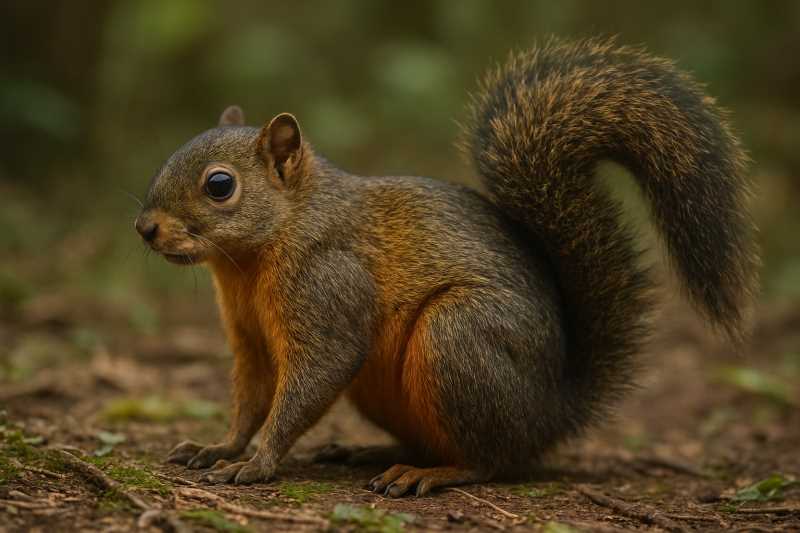
The Bolivian Squirrel is a moderately-sized rodent, typically measuring 23 to 30 centimeters in body length, with a bushy tail that can reach up to 25 centimeters. The fur of the Bolivian Squirrel is its most distinguishing feature, characterized by a vibrant reddish-brown or orange hue on the back and a lighter, cream-colored underside. This distinctive coloration aids in camouflage within its natural habitat.
The head of the Bolivian Squirrel is adorned with small, rounded ears and large, expressive eyes that are well adapted for high visual acuity. The limbs are strong and agile, equipped with sharp claws that facilitate climbing and foraging in the forest canopy.
Range and Habitat
As its name suggests, the Bolivian Squirrel is predominantly found in Bolivia, but its range extends into parts of Brazil and Peru. It thrives in tropical and subtropical forests, favoring dense, humid environments like lowland rainforests and montane forests.
These squirrels are typically arboreal, spending most of their lives in the trees where they build nests in tree hollows or dense foliage. The continuous tree cover in their habitat is crucial for their survival, providing food sources, shelter, and protection from predators.
Behavior and Diet
The Bolivian Squirrel is diurnal, primarily active during the day. It exhibits a solitary lifestyle but may be seen in pairs or small family groups, especially during the breeding season. These squirrels are known for their acrobatic prowess, often seen leaping between branches with ease.
Their diet is omnivorous, consisting of a variety of fruits, nuts, seeds, and insects. They play an essential role in seed dispersal, contributing to the health and regeneration of their forest habitats.
Identification Tips (Field Recognition Cues)
Identifying the Bolivian Squirrel in the wild can be a rewarding experience. Here are some tips for recognizing this species:
- Coloration: Look for the distinctive reddish-orange back and lighter underbelly.
- Size: Note the medium size, with a body length of 23-30 centimeters and a similar length tail.
- Behavior: Watch for agile movement among the treetops, often accompanied by quick, darting motions.
- Sounds: Listen for their vocalizations, which include a series of sharp, chattering calls.
Conservation Status (with Threats and Protections)
The Bolivian Squirrel is currently listed as "Least Concern" on the IUCN Red List. However, it faces several threats that could impact its populations in the future. Habitat loss due to deforestation for agriculture and logging is the most significant threat to their survival.
Conservation efforts are in place to protect the Bolivian Squirrel and its habitat. Protected areas and national parks in Bolivia, Brazil, and Peru provide some refuge for these squirrels. Continued research and monitoring are essential to ensure their long-term survival.
Frequently Asked Questions
What does the Bolivian Squirrel eat?
The Bolivian Squirrel has an omnivorous diet, primarily consuming fruits, nuts, seeds, and insects. This varied diet helps them adapt to different seasonal food availabilities.
Where can I find the Bolivian Squirrel?
The Bolivian Squirrel inhabits tropical and subtropical forests in Bolivia, Brazil, and Peru. They prefer densely wooded areas where they can remain arboreal.
How can I identify a Bolivian Squirrel in the wild?
To identify a Bolivian Squirrel, look for its reddish-orange fur on the back, cream-colored underbelly, and agile movements in the treetops. Their chattering calls may also help in locating them.
Is the Bolivian Squirrel endangered?
Currently, the Bolivian Squirrel is listed as "Least Concern," but ongoing habitat destruction poses a significant threat. Conservation measures are crucial to prevent future endangerment.
What role do Bolivian Squirrels play in their ecosystem?
Bolivian Squirrels are vital for seed dispersal, aiding in forest regeneration and biodiversity. Their presence indicates a healthy, thriving forest ecosystem.
Related posts